What Is the Best 3 Point Hitch Sprayer for Tractors?
Choosing the best 3 point hitch sprayer starts with the work, not the biggest tank. A compact orchard, uneven pasture, and broad crop rows place different demands on a tractor and sprayer. The U.S. Department of Agriculture’s 2022 Census of Agriculture counted about 1.9 million farms across roughly 880 million acres. That scale helps explain why no single setup suits every operation. But acreage alone does not determine the right choice.
Application quality matters as much as capacity. The U.S. Environmental Protection Agency’s 2021 pesticide-use estimates put agricultural use at about 899 million pounds in 2018. That figure covers many products and application methods; it does not mean every farm needs the same equipment. Still, it underscores the value of checking calibration, nozzle selection, pressure control, and drift management. A gauge that holds steady and a boom that stays level can matter more than an impressive tank size.
Fit the sprayer to the tractor. Check three-point hitch category, lift capacity, hydraulic requirements, and the weight of a full tank. Measure boom width against field access, then consider pump output, agitation, hose reach, and available replacement parts. Small details count. A sprayer that looks ideal in a catalog may feel cumbersome on a sloped headland. This guide compares common designs and explains what to inspect before buying. Its recommendations are practical, not universal; local crop conditions and operator experience can change the answer.
What Is a 3-Point Hitch Sprayer and How Does It Work?
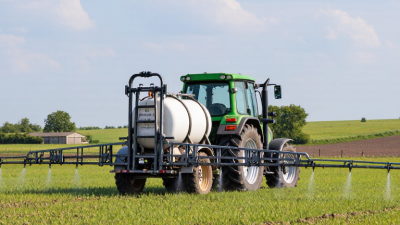
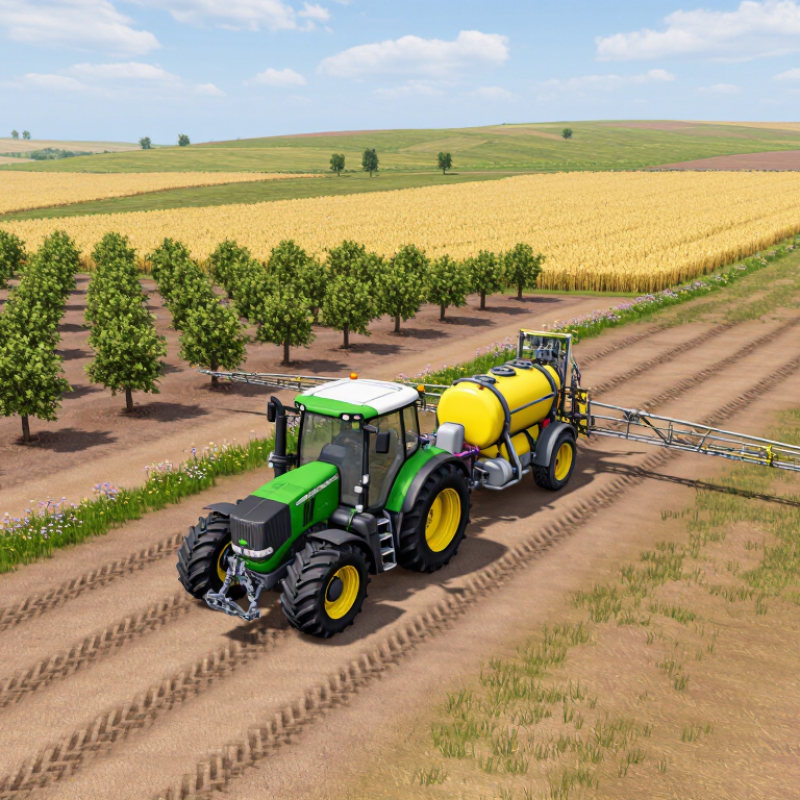
A 3-point hitch sprayer is a tank, pump, and boom or spray wand mounted to a tractor’s three-point linkage. Two lower arms and an upper link support the unit, while the tractor’s hydraulic system raises or lowers it. The hitch carries the weight; it does not usually power the pump. Many sprayers use a power take-off shaft, while others use an electric or hydraulic pump. Check the tractor and sprayer manuals to confirm compatibility and safe operating limits.
Liquid moves from the tank through a strainer and pump, then along hoses to the boom’s nozzles. Pressure creates the spray pattern, and nozzle choice affects droplet size and coverage. A pressure gauge helps, but it is not a substitute for checking flow. Before field work, fill with clean water and test each nozzle over a marked distance. Look for uneven patterns, leaks, or blocked tips. Small details matter. A boom set too high can drift; too low can leave untreated strips. Tractor speed also changes the amount applied per area, so steady pacing is important. Even careful operators can miss a setting. Recheck calibration when changing nozzles, pressure, or speed, and wear the protective equipment specified for the product being applied.
Key Factors for Choosing the Best Tractor-Mounted Sprayer
What Is the Best 3 Point Hitch Sprayer for Tractors?
Choosing the best tractor-mounted sprayer starts with matching capacity to field size, terrain, and tractor lift limits. A 200-gallon tank may suit broad fields, but it can overload a compact tractor on slopes. Check the tractor’s three-point hitch rating, hydraulic stability, and rear-axle capacity before buying. That step is often skipped.
Boom width also affects productivity and crop protection. A wider boom covers more ground, yet it becomes harder to keep level on uneven soil. The ASABE S572.1 standard classifies spray quality by droplet size, helping operators select nozzles for coverage and drift control. Nozzle spacing, pressure range, and filtration should match the intended application. Small details matter.
Calibration deserves careful attention. FAO’s FAOSTAT pesticide-use data reported about 3.70 million tonnes of active ingredients used worldwide in 2022. That figure reinforces the need to avoid unnecessary application and uneven coverage. Measure actual output with clean water, record nozzle flow, and inspect the pattern across the boom. I once trusted the pressure gauge alone; the result was inconsistent coverage. The mistake was simple, but expensive. Choose a sprayer with an accessible pump, visible tank markings, reliable agitation, and easy-clean filters. A comfortable operator platform helps too, especially during long passes.
What Is the Best 3 Point Hitch Sprayer for Tractors? - Key Factors for Choosing the Best Tractor-Mounted Sprayer
| Representative Configuration | Tank Capacity | Recommended Tractor Power | Hitch Category | Typical Boom Width | Pump Type and Flow | Operating Pressure | Approx. Empty Weight | Best-Suited Applications |
|---|---|---|---|---|---|---|---|---|
| Compact 3-Point Sprayer | 200 L (53 US gal) |
20–30 hp | Category I | 3.6–4.6 m (12–15 ft) |
12-volt diaphragm pump 13–15 L/min (3.4–4.0 gpm) |
20–60 psi | Approximately 75–110 kg (165–240 lb) |
Small fields, orchards, gardens, pasture edges, and spot spraying |
| Standard Farm Sprayer | 400 L (106 US gal) |
30–45 hp | Category I or light Category II | 5.5–6.1 m (18–20 ft) |
12-volt diaphragm pump 20–25 L/min (5.3–6.6 gpm) |
20–80 psi | Approximately 140–190 kg (310–420 lb) |
General crop protection, pasture maintenance, and medium-sized properties |
| Medium-Capacity Field Sprayer | 600 L (159 US gal) |
40–55 hp | Category II | 6.4–7.3 m (21–24 ft) |
PTO or hydraulic diaphragm pump 25–35 L/min (6.6–9.2 gpm) |
20–100 psi | Approximately 220–290 kg (485–640 lb) |
Regular field spraying where longer operating time between refills is important |
| Large-Capacity Field Sprayer | 800 L (211 US gal) |
50–70 hp | Category II | 7.3–8.5 m (24–28 ft) |
PTO diaphragm or centrifugal pump 30–45 L/min (7.9–11.9 gpm) |
20–100 psi | Approximately 300–390 kg (660–860 lb) |
Larger fields, row crops, and operations requiring high productivity |
| High-Capacity Professional Sprayer | 1,000 L (264 US gal) |
60–90 hp | Category II | 8.5–9.1 m (28–30 ft) |
PTO centrifugal or high-output diaphragm pump 40–60 L/min (10.6–15.9 gpm) |
30–120 psi | Approximately 390–500 kg (860–1,100 lb) |
Large-acreage spraying, frequent applications, and high-volume farm work |
Specifications are typical ranges for tractor-mounted 3-point hitch sprayers. Actual capacity, weight, pump output, boom size, and pressure depend on the tank design, plumbing, nozzle selection, and optional equipment. Always verify the tractor’s three-point lift capacity, hydraulic compatibility, PTO requirements, and chemical-handling regulations before purchase.
Comparing Tank Sizes, Pump Types, and Spray Boom Configurations
Choosing a three-point hitch sprayer starts with tank size, not maximum capacity. A 50- to 100-gallon tank suits smaller tractors and short garden or pasture jobs. Larger 150- to 300-gallon tanks reduce refill stops but demand stronger lift capacity and proper ballast. A full tank shifts weight behind the tractor, especially on slopes or rough ground. Check the tractor’s lift rating, hydraulic limits, and tire stability before comparing features. I have found that an oversized tank often saves time but creates stressful handling.
Pump choice controls application consistency, filling speed, and maintenance effort. Diaphragm pumps handle abrasive liquids and moderate pressure well, making them practical for varied field work. Roller pumps can deliver strong pressure, but dry running may damage internal parts quickly. Centrifugal pumps move high volumes efficiently, although they usually need adequate hydraulic flow. Use a pressure gauge near the boom, not only at the pump. That detail matters. A clean suction strainer and thorough rinsing protect accuracy after every use. Follow the product label and local requirements for mixing, application, and cleanup.
Boom configuration determines coverage and how evenly spray reaches the crop. A fixed boom is simple and rigid, while folding booms help with gates, trees, and transport. Choose width according to tractor stability and field shape, not advertising numbers. Nozzle spacing should match the boom design and operating height. Uneven boom height can leave stripes across the field. Foam markers or guidance systems improve repeatability, but they do not replace calibration. My preference is a suspended, folding boom with independent sections, yet it costs more and adds adjustment points. That tradeoff deserves honest consideration. Test the sprayer with clean water first, then inspect each nozzle for a matching spray pattern.
What Is the Best 3 Point Hitch Sprayer for Tractors?
Tank size and theoretical coverage at a fixed application rate of 15 gallons per acre
How to read the chart: Theoretical coverage is calculated by dividing tank capacity by 15 gallons per acre. Actual coverage may be lower because of leftover solution, overlap, and operating conditions. Diaphragm pumps are commonly used where higher spray pressure is needed; centrifugal pumps are often chosen for higher flow at lower-to-moderate pressure. Select a boom width that suits the tractor, terrain, and target application.
How to Match Sprayer Capacity With Tractor and Field Requirements
What Is the Best 3 Point Hitch Sprayer for Tractors?
The best three-point hitch sprayer is not always the largest model. Match its loaded weight to the tractor’s lift capacity, hitch category, and rear-axle balance. Water weighs about 8.34 pounds per gallon, before adding the tank, boom, pump, and frame. A 200-gallon tank can add more than 1,600 pounds. Check the tractor manual, not just the sprayer label.
Field size also changes the right capacity. A smaller 60- to 100-gallon tank may suit narrow plots, scattered beds, or tractors with limited lifting power. Larger fields can justify 150 gallons or more, but only when refill points are practical. I once estimated a tank size from acreage alone. That was too optimistic. Long travel distances made refilling the real limitation.
Match boom width and application speed with the field surface. A wide boom saves passes, yet it can become awkward around trees, fences, and uneven ground. Confirm that the pump supports the chosen nozzles and application rate. Then calibrate with clean water before adding any approved treatment. Measure output from each nozzle. Small differences can create visible stripes. Keep the load low during transport, avoid sharp turns on slopes, and inspect hitch pins, hoses, and filters before every use. A slightly smaller sprayer is often easier to control, maintain, and calibrate.
Safe Operation, Maintenance, and Seasonal Storage Practices
Before You Begin
Safe spraying begins before the tractor moves. Park on level ground, lower the hitch, and confirm every pin is secured. Check the PTO shield, hoses, clamps, boom, and tire clearance. A loose hose can whip under pressure. Keep people and animals clear, wear the protective equipment specified on the product label, and never search for leaks with your hand. Use cardboard instead. Calibrate with clean water, at normal operating speed, and look for uneven spray patterns. Wind can shift quickly. Pause if droplets may drift beyond the target area.
While Spraying
While spraying, keep speed and pressure steady. Watch for changing engine load, unusual vibration, or a boom that starts to sway. Stop the tractor and relieve pressure before clearing a blocked nozzle or tightening a fitting. Small checks matter. After use, clean the tank, screens, and nozzles according to the equipment manual and product-label directions. Direct rinse water only where those directions permit. It is easy to overlook a screen when the tank looks clean; inspect it anyway.
Seasonal Storage
Before seasonal storage, drain the system fully and check hoses for cracks, soft spots, or loose fittings. Follow the manual’s instructions for freeze protection; use only a compatible product if one is specified. Grease designated points, coil hoses without sharp bends, and store the sprayer under cover with the hitch supported securely. A hurried final rinse may seem sufficient, but residue can harden in a nozzle over winter. Recheck the unit before the next season.
Related Posts
-
7 Tips to Choose the Best 3 Point Hitch Sprayer?
-
What Is the Best 3 Point Sprayer from China?
-
Best 3pt Sprayer for 2026 Buyers Guide
-
What Is the Best Tractor Sprayer Made in China?
-
Top 3 Point Sprayer Suppliers in China for Global Buyers?
-
How to Choose the Best Boom Sprayer for Your Agricultural Needs