Top 3 Point Sprayer Suppliers in China for Global Buyers?
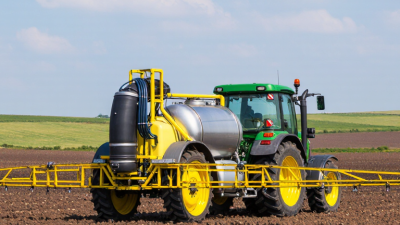
A 3 point sprayer may look simple in a product photo: a steel frame, a tank, a pump, and folded booms. In the field, however, tractor compatibility, nozzle choice, pump output, and parts availability can determine whether it performs reliably. Global buyers comparing Chinese suppliers should examine those details, not just the quoted price.
The Food and Agriculture Organization’s report Pesticides Use and Trade 1990–2022 records 3.70 million tonnes of pesticide use worldwide in 2022. That figure does not measure sprayer sales, but it shows the scale of agricultural application behind equipment demand. For buyers, the practical questions are more specific: Are flow rates documented? Can the supplier provide clear specifications, spare-part support, and consistent quality records? Ask for evidence.
A named expert’s quotation about 3 point sprayers could not be verified from the information available, so inventing one would undermine trust. That limitation matters. This guide compares three Chinese suppliers through checkable factors: product range, manufacturing information, export support, and after-sales responsiveness. A polished brochure is not proof. Request drawings, confirm tractor linkage dimensions, and test the details before placing an order.
What Is a Point Sprayer and Where Is It Used?
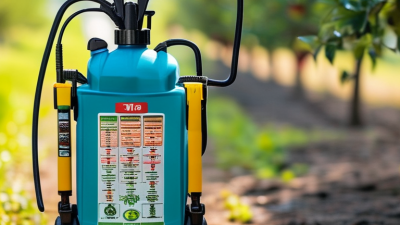
A point sprayer is designed to direct spray toward a specific plant, row, or small area rather than cover an entire field. Its nozzle, pump, hose, and tank work together to deliver a controlled flow. Designs vary: some are hand-carried, while others mount on a vehicle or frame. The right setup depends on the crop, target height, and working distance. Small details matter. A partly blocked nozzle can leave dry patches, while excessive pressure may create fine droplets that drift. It sounds simple, but it isn’t.
Point sprayers are used in orchards, greenhouses, nurseries, and field edges, where plants may be spaced apart or need localized treatment. An operator can aim at a particular plant or section, which may reduce unnecessary coverage compared with blanket spraying. Before work begins, check the nozzle pattern, hose connections, and pressure using clean water. Walk the intended route and watch how the spray lands on leaves; wind and foliage can change coverage. Follow product directions and wear suitable protective equipment. In practice, “targeted” does not always mean precise. Uneven terrain or rushed passes can still produce missed spots, so calibration and careful movement remain important.
| Common Supplier Offering | Typical Configuration | Typical Capacity and Coverage | Where It Is Used | Buyer Checks |
|---|---|---|---|---|
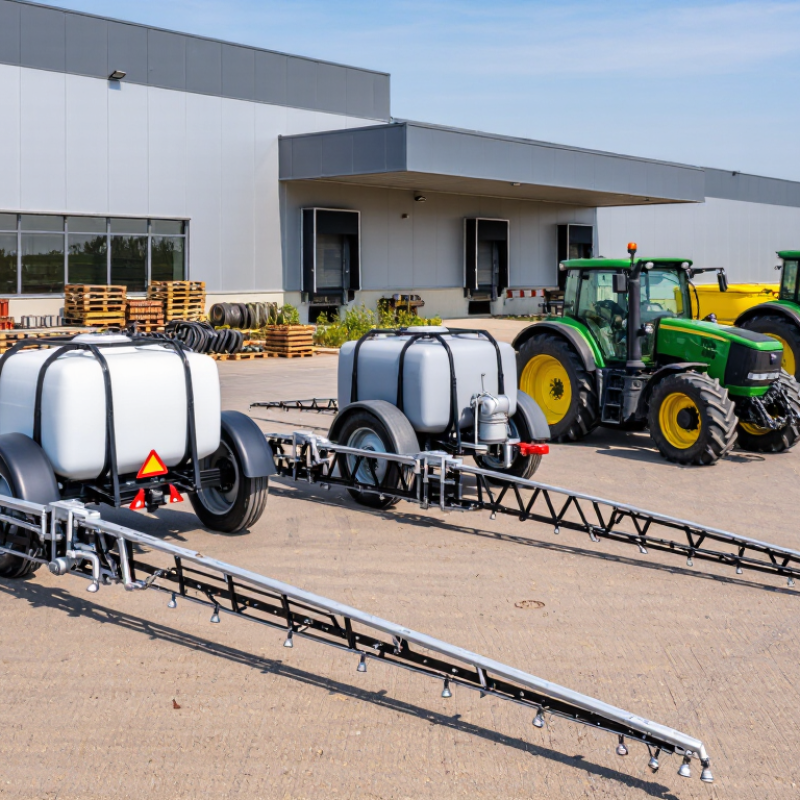
| Compact three-point-hitch sprayer | Tractor-mounted tank, pump, filter, pressure regulator, hoses and spray boom or hand lance. | Often around 200–400 L; commonly paired with a short boom for small plots and compact tractors. Actual capacity and boom width vary by model. | Small farms, gardens, nurseries and short field rows; applies crop-protection products or liquid fertilizer where tractor access is available. | Confirm tractor lift capacity, hitch category, pump flow, nozzle type, hose connections and whether the quoted package includes the boom. |
| Mid-size field boom sprayer | Three-point-mounted tank with a folding boom, diaphragm or roller pump, pressure control and multiple nozzle bodies. | Often around 400–800 L, with boom widths commonly selected to suit the tractor and field layout. Working width is model-specific. | Open-field crops such as cereals and row crops, where an even spray pattern across several crop rows is required. | Request the operating width, nozzle spacing, recommended pressure, pump output and calibration guidance; check folded transport dimensions. |
| Orchard or high-clearance sprayer | Three-point-mounted tank with a fan-assisted air-blast unit or adjustable spray outlets; some models also offer a boom or lance. | Tank sizes commonly vary from several hundred litres upward. Airflow, fan design and outlet arrangement matter as much as tank capacity. | Orchards, vineyards and other perennial crops where spray must reach foliage at different heights and through the canopy. | Check crop-row spacing, canopy height, tractor power requirements, fan protection, airflow adjustment and local rules for pesticide application. |
What is a point sprayer? In this comparison, the term refers to a tractor-mounted agricultural sprayer attached to the tractor’s three-point hitch. It uses a pump and nozzles to apply liquid to a target area. Product terminology varies between markets, so buyers should confirm the machine’s mounting system and intended application with the supplier.
Selection note: The configurations and capacity ranges above are general examples, not verified specifications or a ranking of individual suppliers. Confirm exact specifications, certifications, spare-parts support, export documentation and compatibility before ordering.
How to Evaluate Point Sprayer Suppliers in China
Choosing a point sprayer supplier in China starts with the application, not the catalog. Define the liquid’s viscosity, target area, mounting space, and required output before requesting quotations. Ask how nozzle geometry and operating pressure affect spray width and droplet consistency. Details matter. Vague requirements can make two quotations look comparable when their performance is not.
Review production controls as carefully as product specifications. Request a sample and test it with your own liquid, at the intended pressure and distance. Measure flow over a fixed interval, inspect coverage on a marked surface, and repeat the test. Check whether materials suit the liquid and operating environment, and ask how batch variation is monitored. One sample proves little. Request inspection records, dimensional tolerances, and clear answers about replacement parts.
Supplier evaluation also includes communication and delivery discipline. Confirm lead times, packaging details, minimum order quantities, and whether design changes require new validation. Technical drawings and written test conditions help prevent misunderstandings across time zones. Do not rely on confident promises alone. Some checks may feel repetitive; still, catching a mismatch before production is usually easier than explaining it later. My assessment may miss a detail, so document test conditions and compare results against your actual operating needs.
Three Notable Point Sprayer Suppliers in China
China’s point sprayer market includes suppliers with different strengths. One group focuses on precision molding, producing consistent spray heads and smooth trigger action. Another offers assembled units with bottles, pumps, and adjustable nozzles. A third specializes in custom orders, such as specific tube lengths or packaging. These are useful supplier profiles, not a fixed ranking. Buyers should confirm the actual product design before comparing quotations.
Ask for measurable details. Check spray output per stroke, nozzle adjustment, seal materials, and compatibility with the intended liquid. Request samples and test them over repeated cycles. A sprayer may work well at first, then leak after storage. That detail is easy to overlook. Also review inspection records, production capacity, and how the supplier handles defects. Clear answers matter more than polished catalog photos.
Tips: Send the supplier your bottle-neck dimensions and target spray pattern. Request a sample from the intended production process, not only a display sample. Keep the test simple: fill, spray, store, and inspect for leaks. Small checks can prevent costly surprises. One limitation: sample results cannot guarantee every production batch, so agree on acceptance criteria in writing.
Comparing Product Range, Quality, and Customization
Top 3 Point Sprayer Suppliers in China for Global Buyers?
Comparing Product Range, Quality, and Customization
Comparing suppliers means looking beyond catalog size. Check whether each offers several output rates, neck finishes, dip-tube lengths, and compatible bottle options. Ask for dimensional drawings and samples; a sprayer that fits one bottle may leak on another. A catalog is not proof. OECD’s Global Plastics Outlook (2022) reports that packaging represented 40% of global plastic waste generated in 2019. This makes material choice and component design worth discussing early.
For quality, request documented checks for leakage, spray pattern, and repeated actuation. Compare the same tests across all three suppliers, using identical liquids and bottle setups where possible. Ask how they control dose variation between production batches. For customization, clarify minimum order quantities, color matching, mold costs, and sample lead times in writing. A low quoted price can hide setup charges—or a longer sampling cycle. No supplier is perfect; assess what each can demonstrate, not just promise.
Tips: Test real samples. Record output consistency, fit, and leakage after storage. Ask for the test method and results, not only a quality certificate. Some details are easy to miss, especially when a custom dip tube or closure changes the fit.
How Global Buyers Can Verify and Source Suppliers
When evaluating point sprayer suppliers in China, begin with the product details your market needs. Specify bottle-neck dimensions, output per stroke, spray pattern, dip-tube length, and intended liquid. Ask for a current specification sheet and clear photos of the pump, gasket, and actuator. Small differences matter. A sample that fits one bottle may leak on another. Request several samples, then test them with your actual container and product. Record priming time, leakage, spray consistency, and performance after repeated presses. Don’t rely on a polished catalog alone.
Check whether the supplier operates the production site or coordinates with another factory. Request a live video walk-through showing assembly, quality checks, and lot labeling. For third-party reports or certificates, confirm the issuer, scope, date, and product model directly. This takes time. Compare the quoted price with mold fees, packaging, minimum order quantity, lead time, and replacement terms. Ask how defects are handled, and get agreed inspection criteria in writing before payment.
A factory audit can help, but it cannot guarantee every shipment. That part is easy to forget. Keep approval samples and test records tied to each purchase order.
Related Posts
-
What Is the Best 3 Point Sprayer from China?
-

Why Choose a Broadcast Sprayer for Large Fields?
-
Understanding the Benefits of Using a Boom Sprayer for Tractor Efficiency
-
Top 5 ATV Boom Sprayers for Ultimate Efficiency and Performance?
-
What Is the Best Tractor Sprayer Made in China?
-
10 Best 15 Gallon Sprayers for Any Job