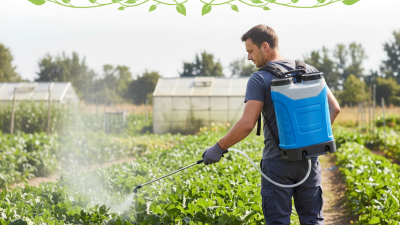
10 Best 15 Gallon Sprayers for Any Job

Choosing the right 15 gallon sprayer is less about capacity and more about control, safety, and job fit. A full tank can weigh over 120 pounds, depending on the liquid. That weight affects transport, handling, and operator fatigue. It also exposes a weakness in many buying guides: they compare tanks, but overlook the person carrying them.

Industry data shows why this category matters. MarketsandMarkets’ Agricultural Sprayers Market report identifies steady growth in spraying equipment, driven by landscaping, agriculture, and more efficient application practices. The report also highlights demand for better precision and reduced chemical waste. Those goals begin with practical details, including nozzle design, pump pressure, hose length, and dependable seals. Small parts matter.

This guide evaluates ten 15 gallon sprayer models for different working conditions. Some suit lawns and garden beds. Others are better for trailers, orchards, fences, or larger properties. We consider spray patterns, battery performance, tank markings, cleaning access, and replacement parts. Field experience suggests that comfortable straps and stable bases can matter more than impressive pressure claims.

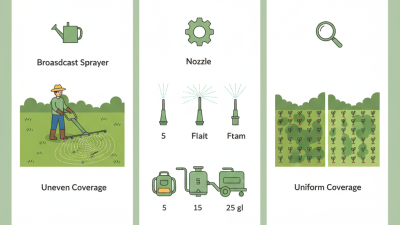
Safety remains essential. The U.S. Environmental Protection Agency requires users to follow product labels, including application rates and protective equipment instructions. Extension specialists also recommend calibration before spraying. A few minutes can prevent uneven coverage.

Not every model will fit every user. That is the honest part. A powerful pump may waste liquid during delicate work. A cheaper unit may demand more maintenance. Our comparisons reflect those trade-offs, while recognizing that real conditions can expose flaws that product pages rarely mention.
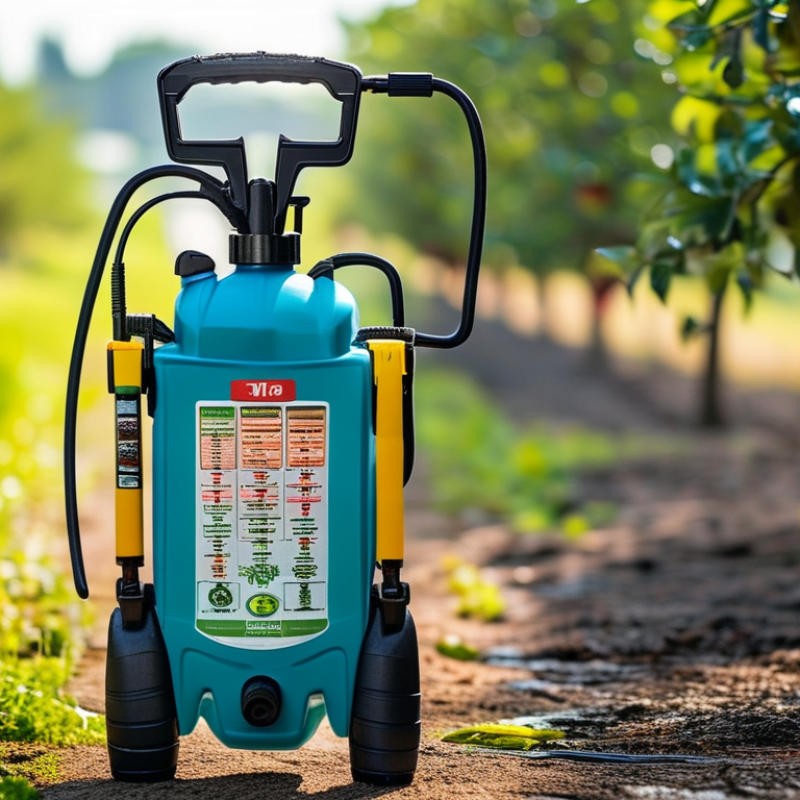
10 Best 15 Gallon Sprayers for Any Job

Understanding 15-Gallon Sprayers and Their Main Applications

A 15-gallon sprayer sits between hand tools and larger tow-behind systems. It holds about 125 pounds of water, before adding the tank, frame, pump, and battery. That weight matters on slopes. Its practical value is controlled coverage, not maximum acreage.

The USDA’s 2022 Census of Agriculture counted 1,900,487 farms, many with varied field sizes and irregular boundaries. For these conditions, a compact unit can treat fence lines, garden rows, small pastures, orchards, and spot weeds without mixing a full tank. It also suits liquid fertilizer and approved cleaning solutions.

The U.S. EPA’s Pesticide Industry Sales and Usage report estimated that agriculture represented about 80% of conventional pesticide use by weight. That figure explains why calibration and drift control matter, even on small jobs.

Use an adjustable nozzle, avoid windy conditions, and test a measured area first. Check output again after changing walking speed. Operators often underestimate hose length, battery endurance, or leftover liquid.

I would not call every 15-gallon model ideal. Narrow wheels can sink, and a small pump can disappoint. This is where “best” becomes subjective. Match pressure, boom width, tank material, and cleanout access to the actual task.

Key Features to Compare Before Choosing a Sprayer

10 Best 15 Gallon Sprayers for Any Job

A 15-gallon sprayer holds about 125 pounds of water, before adding the tank, frame, pump, and hose. That weight changes how the unit handles on slopes, gravel, and wet grass. Compare tank shape, low center of gravity, strap padding, and wheel width. A wide opening also matters when measuring water or cleaning residue. Look for UV-resistant plastic, a visible level scale, and a dependable drain valve. Small details become important after repeated use.

Pump performance needs closer attention than advertised capacity. Compare gallons per minute, operating pressure, battery runtime, recharge time, and replacement parts. ASABE S572.1 classifies spray droplets by size, showing why pressure and nozzle choice affect coverage and drift potential. The U.S. Environmental Protection Agency requires applicators to follow product labels, including approved rates, equipment, and protective measures. Calibration remains essential. A simple timed test can expose a weak pump or blocked nozzle.

Tips: Fill the tank halfway, test the spray pattern, and check every nozzle for equal output. Keep a written calibration note. I sometimes overlook hose flexibility, yet stiff tubing can make a full tank awkward to control. Choose a sprayer that matches the job, not merely the largest pump.

Ten Recommended 15-Gallon Sprayers for Different Jobs

A 15-gallon sprayer can handle more than routine garden work. The right setup depends on coverage, terrain, and spray control.

A hand-wand sprayer suits flower beds and spot treatment. A boom sprayer covers open lawns evenly. A tow-behind model works well behind a small utility vehicle. A cart sprayer helps on large yards with gentle slopes. A battery-powered unit offers quieter operation near homes.

A manual pump model remains useful where charging is inconvenient. A high-clearance sprayer reaches under shrubs without crushing them. An adjustable-nozzle sprayer supports trees, fences, and narrow borders. A foam-marking sprayer helps maintain straight application lines. A rinse-tank sprayer is practical for cleaning equipment after use.

Experienced users check the tank material, hose flexibility, pump output, and nozzle compatibility before buying. A 15-gallon load can become surprisingly heavy, especially on wet ground. That detail is easy to underestimate. Calibration matters more than advertised capacity. Measure the spray width, time a test pass, and calculate the output with clean water. Uneven pressure can leave dark stripes across grass. I would also inspect seals and fittings before every job; a small leak can waste liquid and create a slippery workspace.

Tips: Wear the protective equipment required by the product label, and keep people and pets away during application. Rinse the tank with clean water, inspect the nozzle, and store the sprayer dry. Test a small area first. It may reveal poor coverage.

How to Match Each Sprayer to Your Intended Task

Choosing among the 10 best 15 gallon sprayers starts with the job, not the tank size. A small tank can still handle many tasks when its pump, nozzle, and pressure range fit the work. For spot treatment, choose a compact handheld sprayer with a narrow adjustable stream. It should reach weeds between paving stones without soaking nearby plants. For vegetable beds, a wide fan nozzle offers more even coverage and reduces repeated passes.

For lawns and larger garden areas, select a sprayer with stable shoulder straps or a rolling frame. A comfortable harness matters when the tank weighs over 120 pounds when filled. Use a cone nozzle for targeted shrubs and a flat-fan nozzle for uniform ground coverage. If you need to apply cleaning solutions, choose chemical-resistant seals and a tank with a broad opening. Rinsing access is more important than appearance.

Do not overlook calibration. Mark a measured test area, spray with clean water, and check the output before adding any approved solution. My early mistake was trusting the pressure gauge alone. It did not reveal uneven nozzle flow. A clogged tip can leave dry strips beside overtreated patches. Keep spare seals, flush the lines after use, and store the sprayer away from direct sunlight. For occasional jobs, simplicity usually beats extra features. For frequent work, ergonomic controls and replaceable parts may justify a higher cost. The “best” sprayer changes with distance, surface, and application speed.

Safe Operation, Cleaning, and Long-Term Maintenance

A 15-gallon sprayer can handle large areas, but safe operation begins before filling the tank. Read the product label and sprayer manual every time, even if the equipment feels familiar. Wear chemical-resistant gloves, eye protection, long sleeves, and sturdy footwear. Check the tank, hose, wand, pump, and seals for cracks or leaks. A small drip near a handle can become a serious exposure problem.

Set the sprayer on level ground and fill it slowly with clean water first. This simple test often reveals blocked nozzles or loose fittings. Keep the pressure moderate and spray only in calm weather. Avoid people, pets, drains, ponds, and edible plants unless the label permits treatment. Never eat, drink, or smoke while handling the sprayer. Release pressure before opening the lid or removing a nozzle. It takes seconds.

Clean the unit immediately after use. Follow the label’s rinsing instructions, then flush the tank, hose, wand, and nozzle with clean water. Never mix cleaning agents unless the label specifically allows it. Remove the nozzle and gently clear debris with a soft brush, not a sharp wire. Inspect the filter and replace worn seals before the next job. I once stored a sprayer with moisture inside, expecting it to dry naturally; the pump later developed a stale odor and poor flow. Let every part drain and air-dry fully. Store the empty sprayer upright, protected from sunlight, freezing temperatures, and children. Keep a simple maintenance log, because memory is less reliable than a dated note.

10 Best 15 Gallon Sprayers for Any Job - Safe Operation, Cleaning, and Long-Term Maintenance

Rank Sprayer Configuration Pump and Power Working Pressure Spray Width Hose Length Tank and Frame Best Application Cleaning and Maintenance Notes
1 Heavy-Duty Tow-Behind 12-volt diaphragm pump; connects to a vehicle battery Up to 60 psi 80 in. 15 ft 15-gal UV-resistant polyethylene tank; steel tow frame Large lawns, food plots, and field edges Flush with clean water after each use; inspect boom fittings, tires, wiring, and diaphragm before storage.
2 ATV Boom Sprayer 12-volt diaphragm pump; fused battery connection Up to 60 psi 60 in. 15 ft 15-gal molded polyethylene tank; ATV mounting platform Trails, orchards, rough ground, and small fields Secure the tank before travel; rinse the boom and remove nozzle screens for separate cleaning.
3 Hand-Wand Spot Sprayer 12-volt diaphragm pump with adjustable pressure control Up to 60 psi Adjustable stream to 35 in. 15 ft 15-gal polyethylene tank; portable molded base Fence lines, weeds, driveways, and targeted treatment Use the lowest effective pressure; clean the wand, trigger, filter, and hose after every application.
4 Dual-Use Boom and Wand 12-volt diaphragm pump with pressure regulator 20-60 psi 60 in. 15 ft 15-gal polyethylene tank; compact steel or polymer frame Mixed property maintenance and spot applications Relieve pressure before changing modes; verify that unused outlets are capped securely.
5 Cart-Mounted Electric Sprayer 12-volt diaphragm pump; rechargeable or external battery supply Up to 45 psi Hand wand 15 ft 15-gal polyethylene tank; two-wheel cart frame Gardens, nurseries, sidewalks, and small properties Keep electrical connections dry; rinse the pump with clean water and charge the battery according to its chemistry.
6 Compact Trailer Sprayer 12-volt diaphragm pump; inline pressure regulator Up to 45 psi 80 in. 15 ft 15-gal polyethylene tank; low-clearance tow chassis Residential lawns and open, level ground Check tire pressure and hitch hardware; store under cover with the tank empty and dry.
7 High-Pressure Utility Sprayer 12-volt diaphragm pump with pressure gauge Up to 70 psi Hand wand 25 ft 15-gal chemical-resistant polyethylene tank; reinforced base Trees, tall weeds, barns, and hard-to-reach areas Do not exceed the hose or nozzle rating; inspect seals and never point a pressurized wand at people or animals.
8 Manual Agitation Sprayer 12-volt diaphragm pump with tank circulation return Up to 60 psi 60 in. 15 ft 15-gal translucent polyethylene tank; corrosion-resistant fittings Fertilizer solutions and products requiring regular mixing Follow the product label for agitation; rinse the return line and remove sediment from the tank bottom.
9 Low-Drift Lawn Sprayer 12-volt diaphragm pump with low-pressure control 15-40 psi 60 in. 15 ft 15-gal polyethylene tank; shielded flat-fan nozzles Lawns and beds near ornamental plants Use label-approved nozzle height and pressure; keep nozzles aligned and replace worn tips for uniform coverage.
10 Portable Service Sprayer 12-volt diaphragm pump with fused switch Up to 45 psi Hand wand 15 ft 15-gal polyethylene tank; lift handles and tie-down points Mobile crews, maintenance vehicles, and remote jobs Drain completely before transport; secure the lid, protect the power cable, and lubricate compatible seals as directed.
Safe-operation reminder: Always read and follow the chemical product label, wear the specified protective equipment, avoid spraying in wind, keep people and animals away from the treatment area, relieve system pressure before servicing, and dispose of rinse water according to local regulations.
Capacity note: A 15-gallon tank holds approximately 56.8 liters. Actual usable fill volume is lower when space is needed for agitation, expansion, and safe transport. Pressure, spray width, and coverage vary with nozzle type, liquid viscosity, terrain, and operating speed.