What is a Backpack Sprayer and How to Choose the Best One?
A backpack sprayer is an essential tool for gardeners and agricultural professionals. It allows for efficient pesticide and herbicide application. According to a recent report by Research and Markets, the global backpack sprayer market is projected to grow at a CAGR of 5.6% from 2021 to 2026. This growth highlights the increasing demand for effective, user-friendly spraying solutions.
Choosing the right backpack sprayer can be overwhelming. There are various types, features, and sizes available. Each option caters to different needs and terrains. For instance, some models are designed for large agricultural fields, while others are better suited for small gardens. A sprayer’s weight, ergonomics, and nozzle types are crucial for optimizing performance and user comfort.
When selecting a backpack sprayer, consider factors like capacity and pressure settings. A sprayer that is too heavy may lead to fatigue. A model that lacks adequate pressure can result in an uneven application. As you weigh these options, remember that the right choice can significantly impact your spraying efficiency and crop health.
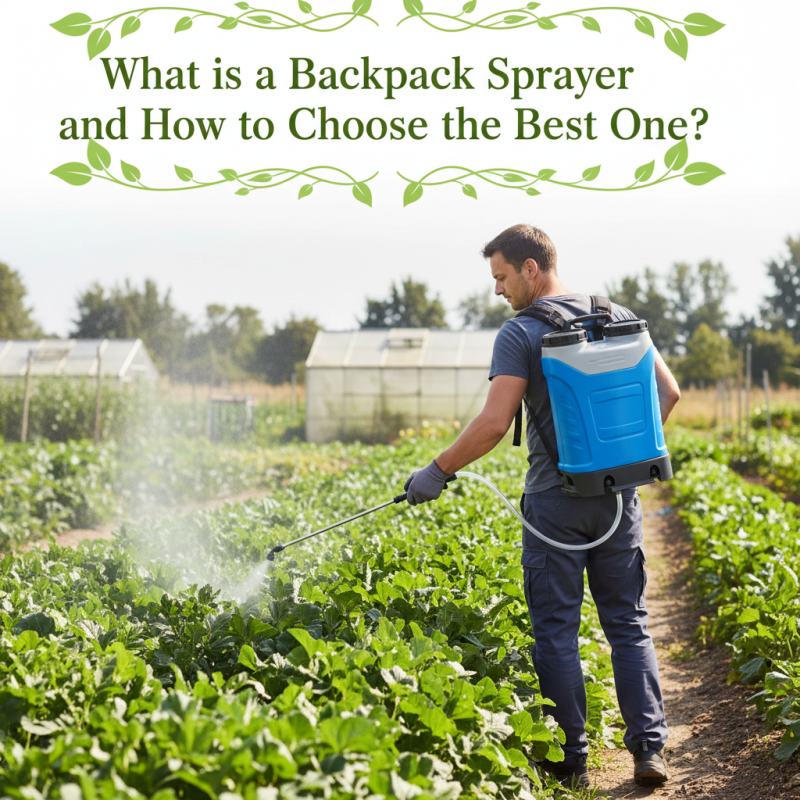
What is a Backpack Sprayer and Its Key Components?
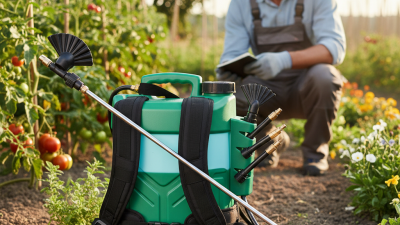
A backpack sprayer is a versatile tool primarily used in agriculture, landscaping, and pest control. It allows users to efficiently apply herbicides, pesticides, or fertilizers. The key components of a backpack sprayer include the tank, pump, hose, and nozzle. Each element plays a critical role in ensuring effective application.
The tank, typically made of durable materials, holds the liquid. A standard backpack sprayer can hold from 2 to 4 gallons, which can cover varying areas depending on the application rate. The pump generates pressure, allowing the spray to reach desired heights and distances. Many models feature adjustable nozzles. This feature helps users control the spray pattern, ensuring precision in application.
Choosing the right backpack sprayer involves considering ergonomic designs for comfort during prolonged use. According to a report from the Agricultural Spraying Equipment Market, the demand for lightweight and easy-to-carry sprayers is increasing. Reliability is paramount; a well-maintained sprayer can last several seasons, but improper care or cheap materials can lead to leaks or malfunctions. Recognizing these factors can help users make an informed decision, ultimately improving efficacy in their spraying tasks.
Benefits of Using a Backpack Sprayer for Various Applications
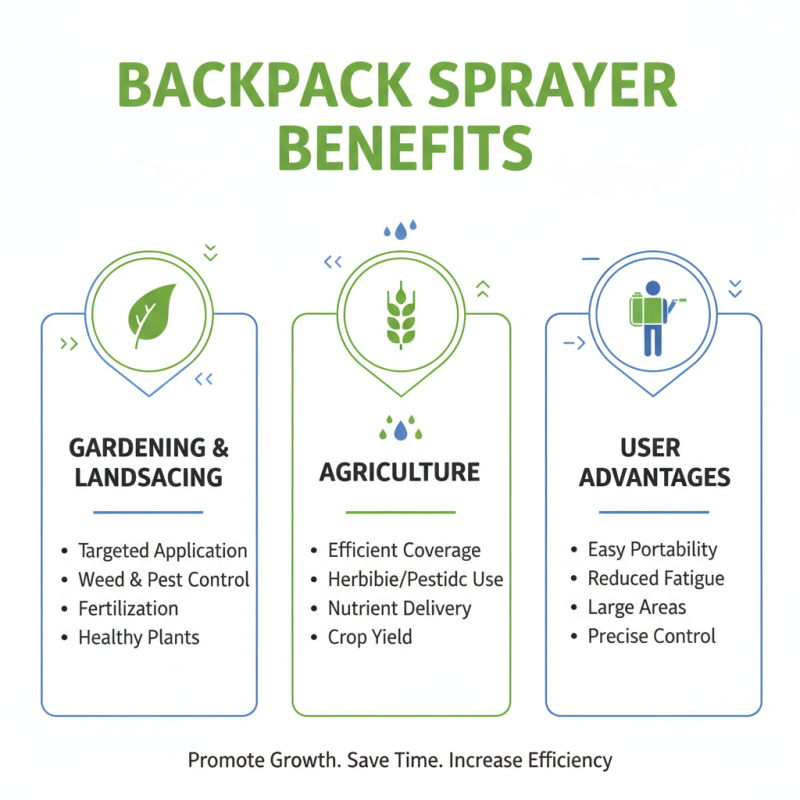
Backpack sprayers offer significant benefits for a range of applications. They are especially useful in gardening, agriculture, and landscaping. These sprayers allow users to apply herbicides, pesticides, and fertilizers efficiently. Their design makes it easy to carry around, ensuring you can cover wide areas without fatigue. Using a backpack sprayer can help promote healthy plant growth by allowing for targeted application.
One of the major advantages is precision. Users can control the amount of liquid dispensed, reducing waste. This precision also minimizes environmental impact. Backpack sprayers can often reach hard-to-access places. This makes them valuable for both residential gardens and large commercial farms. However, selecting the right model can be challenging. Factors such as capacity, weight, and ease of use need careful consideration.
It's essential to understand your specific needs. Consider the typical area you will cover when choosing a backpack sprayer. The wrong sprayer can lead to inefficiency and frustration. Taking time to research options and read user reviews can aid in decision-making. This investment will pay off by providing better outcomes in your applications.
Factors to Consider When Choosing the Right Backpack Sprayer
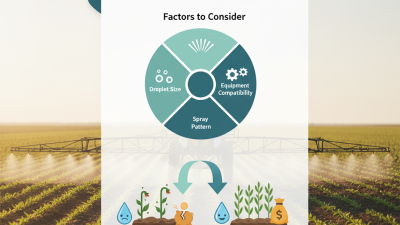
When it comes to selecting the right backpack sprayer, several factors are essential. The capacity of the tank plays a crucial role. Smaller tanks are lighter and easier to carry, but they require more frequent refills. Larger tanks can hold more liquid but may become cumbersome during extended use. A balance between capacity and weight is key to comfort.
Another important consideration is the spray pressure. Higher pressure allows you to cover larger areas quickly. However, it may lead to uneven application of liquid. It’s essential to choose a model that offers adjustable pressure settings. This feature gives you the flexibility needed for various tasks.
Additionally, look for ergonomic designs. Comfortable straps and a well-distributed weight can alleviate strain on your back. A poorly designed sprayer can lead to discomfort during prolonged use. Pay attention to the nozzle options as well. Different nozzles can produce various spray patterns, which affects coverage and efficiency. Choosing the right backpack sprayer requires careful evaluation of these factors. It’s about finding the right fit for your specific needs.
Comparison of Different Types of Backpack Sprayers on the Market
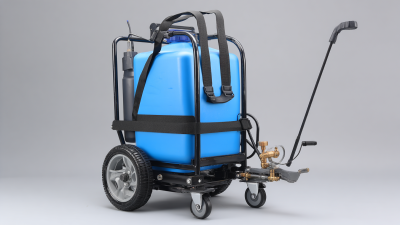
Backpack sprayers come in various types, each designed for specific tasks. The primary types include manual, battery-powered, and gas-powered sprayers. Manual sprayers are often lighter, making them suitable for small gardens, but they require more physical effort. According to a recent industry report, 40% of gardeners prefer manual sprayers for their simplicity and low maintenance.
Battery-powered sprayers offer convenience, reducing the need for hand pumping. However, users should consider battery life and charging time. The same report indicates that around 35% of professionals in landscaping opt for these sprayers due to their efficiency and ease of use. Gas-powered options are the most powerful, ideal for large areas. They tend to be heavier and pricier, appealing to those who require extended spraying sessions.
When choosing a backpack sprayer, factors like tank size and nozzle compatibility are crucial. Many users overlook the importance of the right nozzles for different applications. A mismatch can lead to uneven coverage or over-spraying, wasting resources. Additionally, ergonomic design plays a significant role in comfort during use. According to data, 65% of users reported back pain from poorly designed sprayers. Hence, investing in a well-designed unit can significantly enhance user experience and reduce fatigue.
Comparison of Different Types of Backpack Sprayers
Maintenance Tips to Extend the Life of Your Backpack Sprayer
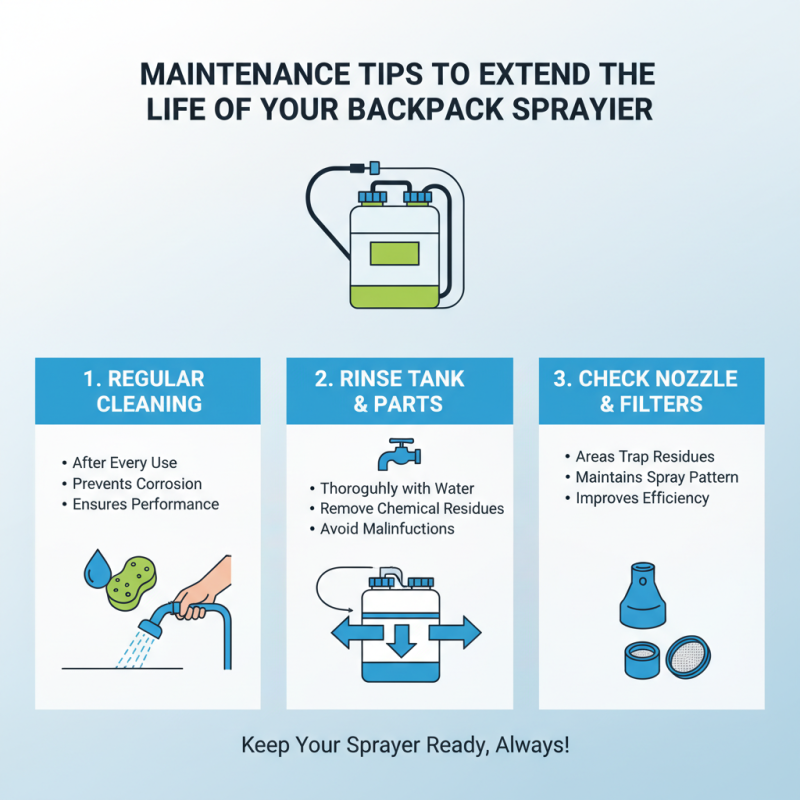
Maintaining a backpack sprayer is crucial for its longevity and performance. Regular cleaning is essential after every use. Residual chemicals can corrode the sprayer’s parts, leading to malfunctions. Rinse the tank thoroughly with water. Pay special attention to the nozzle and filters, as these areas often trap residues. A build-up can affect spray patterns and efficiency.
Proper storage also plays a key role. Keep the sprayer in a cool, dry place, away from direct sunlight. Extreme temperatures can damage the materials. Inspect the sprayer frequently for leaks or damages. A small crack can lead to larger issues later. Be mindful of the straps; they should be in good condition to ensure comfort and mobility during use.
Occasionally, lubricate the seals and gaskets with the recommended products. This helps prevent wear and tear. While some may ignore this, neglecting this simple step can shorten the sprayer’s life. Regularly check the manufacturer’s instructions for specific care tips. Following these guidelines can improve your sprayer's reliability and performance over time.