Why Choose a Broadcast Sprayer for Large Fields?

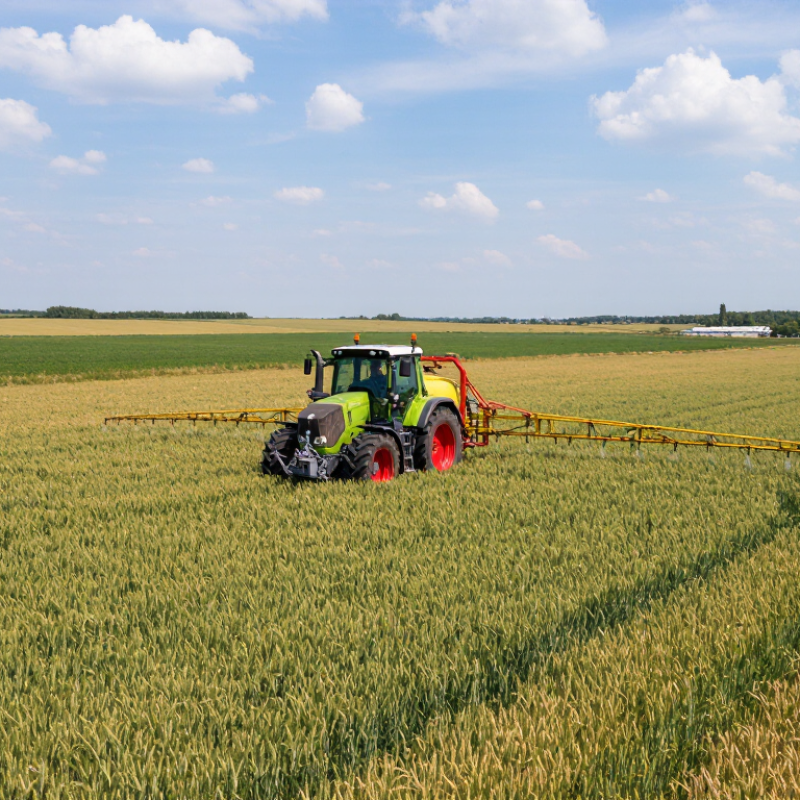
Large fields demand more than a bigger tank and faster driving. A broadcast sprayer applies liquid across a wide, continuous swath, making it practical for broad-acre crops and pasture management. When calibrated correctly, it can cover many hectares with consistent overlap and fewer untreated strips. That consistency matters. From the cab, the operator can watch boom height, pressure, speed, and weather conditions in real time. A steady boom should follow uneven ground without striking crops or wasting spray. Small adjustments often protect both application quality and operating costs. Still, larger coverage does not automatically mean better results. That assumption can be wrong. No machine compensates for poor timing, blocked nozzles, or an unsuitable product choice.

Choosing a broadcast sprayer should begin with field conditions, not a sales brochure. Consider field size, terrain, crop height, water availability, filling time, and nearby service support. Experienced operators also inspect nozzle wear and confirm output with a measured calibration test before work begins. Product labels and local agricultural guidance should direct every application rate, buffer zone, and weather limit. Windy afternoons can turn a productive pass into visible drift along a fence line. Calm, suitable conditions are safer. Recordkeeping adds another layer of reliability. Note the date, product, rate, speed, pressure, and weather. These details make later decisions easier and reveal recurring problems. A broadcast sprayer can improve efficiency, but it still requires judgment, maintenance, and trained handling. The best choice is rarely the largest model. It is the machine that delivers dependable coverage without exceeding the farm’s operational or environmental safeguards.
Why Choose a Broadcast Sprayer for Large Fields?

What Is a Broadcast Sprayer?

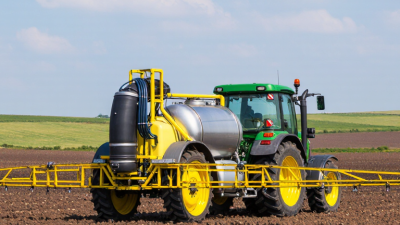
A broadcast sprayer distributes liquid across a wide, continuous swath. Its boom carries evenly spaced nozzles, creating overlapping spray patterns over the crop canopy or soil. Unlike a band sprayer, it treats the whole field surface rather than narrow planting rows.

This design suits broad acreage. The USDA’s 2022 Census of Agriculture recorded about 880.1 million acres of farmland across nearly 1.9 million farms. Covering that scale by hand or with narrow-row equipment would consume considerable time. A well-adjusted broadcast sprayer can maintain steady coverage while the tractor follows long, straight passes. It is not magic. Poor nozzle selection, uneven boom height, or excessive speed can leave pale strips beside visibly wet areas.

Field operators should inspect nozzle output before application and check pressure during work. USDA NRCS guidance stresses calibration, weather awareness, and reducing off-target movement. FAO AQUASTAT reports that agriculture uses roughly 70% of global freshwater withdrawals. Spray water is only one part of that demand, but unnecessary overlap still wastes resources. Wind matters too. Even a carefully calibrated boom performs poorly when gusts distort the spray pattern. This is where practical judgment remains important. A wider boom may increase productivity, yet it can also make errors harder to notice.

Why Choose a Broadcast Sprayer for Large Fields?

A broadcast sprayer applies crop-protection products across a wide, continuous swath, helping cover large areas efficiently. The chart shows estimated theoretical field capacity for common sprayer configurations.

Calculation basis: Estimated field capacity assumes a 12 km/h travel speed and 75% field efficiency to account for turning, refilling, overlap, and other field operations. Actual performance varies with field conditions and equipment setup.

How Broadcast Sprayers Cover Large Fields

Why Choose a Broadcast Sprayer for Large Fields?

How Broadcast Sprayers Cover Large Fields

A broadcast sprayer distributes liquid across a wide, continuous swath. This makes it practical for large fields with consistent crop spacing. A boom may span several meters, reducing repeated passes and soil compaction. During field checks, operators can watch the spray pattern behind the machine. Even fan-shaped coverage should look steady, without dry gaps or heavy streaks.

Coverage depends on more than boom width. Correct nozzle selection, pressure, travel speed, and boom height must work together. For example, a small speed increase can reduce the applied rate. Uneven terrain can also change the distance between nozzles and plants. Calibration before application is essential. Measure the output from each nozzle and compare it with the target rate. Replace worn nozzles promptly.

Wind deserves careful attention. Strong airflow can move droplets beyond the intended area, while calm conditions may still create uneven deposits. Always follow the product label, local requirements, and suitable protective procedures. No setup is perfect. I have seen well-calibrated equipment perform poorly after a rushed adjustment. A slower pass, clean filters, and a second pattern check often improve results. Operators should record speed, pressure, weather, and field conditions for later review.

Key Benefits for Large-Scale Farm Operations

On a large farm, time disappears between distant fields, narrow turns, and repeated refills. A broadcast sprayer covers a wide working path, helping one operator treat more acres during a suitable weather window. That matters when wind is calm, soil conditions are right, and crops cannot wait. Wider coverage can also reduce wheel traffic and limit unnecessary overlap at field edges. The gain is practical, not automatic.

Reliable performance starts with calibration, not machine size. Operators should check nozzle output, pressure, travel speed, and spray pattern before entering a field. A properly adjusted boom can distribute spray more evenly across long passes. Tank capacity may reduce refill stops, while clear controls help maintain a steady application rate. Experienced operators often notice fewer interruptions during long shifts. Still, details matter. A larger tank adds weight, and wet ground can suffer compaction.

Large-scale operations also benefit from repeatable records. Logging weather, nozzle settings, application rates, and field conditions supports better decisions later. It helps managers compare passes instead of relying on memory after a tiring day. Drift control remains essential near waterways, homes, and sensitive crops. A broadcast sprayer cannot correct poor timing or careless setup. I would choose speed only when accuracy stays visible. That judgment may change from field to field.

Why Choose a Broadcast Sprayer for Large Fields? - Key Benefits for Large-Scale Farm Operations
Operational Dimension Typical Broadcast Sprayer Range Key Benefit for Large-Scale Farm Operations
Working Width Approximately 18–48 m, depending on machine configuration A wide boom covers more ground per pass, reducing the number of field runs, turning time, soil compaction, and operator hours.
Operating Speed Commonly about 8–20 km/h under suitable field conditions Higher travel speed can increase daily coverage, provided field conditions, spray quality, terrain, and label requirements allow it.
Theoretical Field Capacity Often about 15–40 hectares per hour, depending on width and speed Large farms can treat more hectares within narrow weather windows, which is important for timely weed, pest, and disease control.
Effective Field Capacity Usually lower than theoretical capacity because of filling, turning, transport, and adjustment time Planning based on effective capacity produces more realistic labor, fuel, and application schedules for large fields.
Tank Capacity Approximately 2,000–6,000 L for many self-propelled or trailed field sprayers A larger tank can reduce refill frequency and non-spraying travel, especially when water sources are far from the field.
Application Volume Common field applications may use roughly 100–300 L/ha, subject to crop, product, nozzle, and label requirements Accurate low- to medium-volume application can reduce water demand while maintaining the coverage required for the selected treatment.
Spray Rate Control Electronic flow and pressure control are widely used on modern equipment Automatic adjustment helps maintain the target application rate as travel speed changes, improving consistency across the field.
Section Control Boom sections can be switched on or off manually or through positioning-based systems Section shutoff reduces overlapping in headlands and irregular field areas, helping lower chemical use and crop-safety risk.
Nozzle Spacing Commonly 25–50 cm, depending on boom design and nozzle selection Consistent nozzle spacing supports uniform spray distribution when boom height, pressure, and nozzle specifications are correctly matched.
Boom Height Stability Mechanical or hydraulic suspension systems help maintain a consistent height above the crop Stable boom height improves spray pattern overlap and reduces untreated strips or excessive overlap caused by field undulations.
Coverage Consistency Uniformity depends on speed, pressure, nozzle type, boom height, wind, and calibration Consistent application across large areas supports more predictable agronomic results and reduces the need for costly repeat passes.
Labor Efficiency One trained operator can manage application, monitoring, and routine adjustments High-capacity broadcast spraying can reduce the labor required per treated hectare compared with smaller, slower application methods.
Fuel and Time Efficiency Efficiency varies with machine size, field shape, terrain, speed, and refill logistics Fewer passes and optimized route planning can reduce operating time and fuel consumption per hectare.
Best-Fit Field Conditions Large, relatively open fields with suitable crop access and manageable terrain Broadcast sprayers deliver the greatest productivity advantage where wide booms can operate safely without excessive obstacles or maneuvering.
Main Management Requirement Regular calibration, nozzle inspection, weather monitoring, and compliance with product labels Good management is essential to achieve the expected productivity while limiting drift, off-target movement, crop injury, and environmental losses.
Typical ranges are indicative and vary with equipment design, crop conditions, terrain, weather, product labels, nozzle selection, and operator practice. Actual performance should be verified through calibration and field measurement.

Factors to Consider When Choosing a Broadcast Sprayer

Why Choose a Broadcast Sprayer for Large Fields?

Factors to Consider When Choosing a Broadcast Sprayer

A broadcast sprayer can cover wide field areas efficiently, but capacity alone should not guide your choice. Match the boom width to field shape, turning space, and tractor stability. A very wide boom may save passes, yet it can become difficult on uneven ground. Measure your narrowest access points before purchasing.

Nozzle selection deserves careful attention. Different nozzles produce different droplet sizes and spray patterns. Larger droplets can reduce drift, while finer droplets may improve coverage under suitable conditions. Always check the application label and local requirements. Calibrate the sprayer with clean water, a measuring container, and a timed test. Small errors become expensive across hundreds of acres.

I once assumed a larger tank would always improve productivity. That assumption failed. Full tanks added weight, increased soil compaction, and made hillside driving less comfortable. Consider tank size, pump flow, filtration, boom suspension, and rinse access together. The control system should show pressure and application rate clearly from the cab. Keep accurate records of speed, weather, nozzle condition, and calibration results. Wind changes quickly. Stop when conditions become unsuitable, even if the schedule feels tight. A trained operator and a practical maintenance routine often matter more than extra features. Ask an agricultural adviser to review the setup for your crops, terrain, and working conditions.

Best Practices for Safe and Efficient Spraying

Why Choose a Broadcast Sprayer for Large Fields?

Best Practices for Safe and Efficient Spraying

A broadcast sprayer can cover wide fields evenly, but speed should never replace control. In my field experience, uneven pressure creates visible stripes and wasted treatment. Calibrate the sprayer before every major application. Check nozzle flow, travel speed, boom height, and tank volume. A simple catch test can reveal blocked or worn nozzles. Small errors become expensive across large acreage.

Read the product label carefully and follow its approved use directions. Wear the required protective clothing, gloves, eye protection, and suitable footwear. Keep people, animals, and unprotected water sources away from the work area. Watch the weather closely. Calm conditions may reduce drift, but completely still air can allow suspended spray to linger. Wind direction matters more than convenience.

Drive at a steady speed and avoid sharp turns near field edges. Maintain the recommended boom height above the crop. Lower pressure may reduce fine droplets, though it can affect coverage. This balance requires observation, not guessing. I once trusted a familiar setting too much and missed a nozzle problem. That mistake was avoidable.

Clean the equipment in a designated area and prevent rinse water from entering drains or streams. Record the date, weather, product, rate, and equipment settings. These notes support reliable decisions later. Inspect hoses, seals, and filters before storage. Leave room for doubt; conditions change quickly, even during one field pass.