What Is the Best 3 Point Sprayer from China?
Choosing the best 3 point sprayer from China requires more than comparing prices and tank sizes. A reliable choice must match your tractor, crops, terrain, and spraying routine. The right machine should work steadily in real field conditions, not only look impressive in a catalog.
China offers many agricultural sprayer manufacturers, from established factories to smaller suppliers. Their products may include compact 200-liter models, heavy-duty 1,000-liter units, and orchard sprayers with adjustable booms. Key details matter. Check the hitch category, pump material, nozzle spacing, boom width, pressure range, and replacement-part availability. A sprayer with stainless-steel fittings can resist corrosion better than a cheaper painted assembly. Still, metal quality can vary between suppliers.
Field experience often reveals what product pages omit. Ask for operating videos, weld photographs, pump specifications, and test records. Confirm whether the 3 point sprayer has been tested for leaks, pressure stability, and boom balance. Speak with manufacturers who explain calibration clearly. They should provide manuals, maintenance guidance, and practical support after delivery.
The “best” model is not universal. It depends on acreage. It depends on crops. A small farm may value simple controls and easy cleaning, while a commercial grower may need wider coverage and stronger agitation. One assumption can fail: a larger tank does not always mean better performance. It may exceed your tractor’s lifting capacity or make transport difficult. Careful comparison, sample inspection, and transparent communication can lead to a safer, more dependable purchase from China.
What Is a Three-Point Sprayer and How Does It Work?
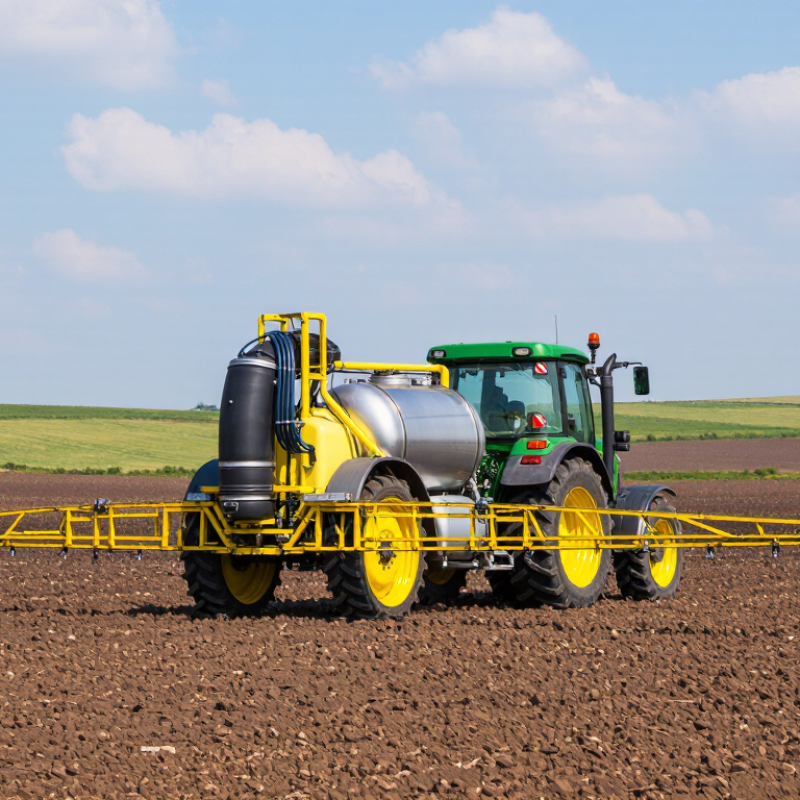
A three-point sprayer is a tractor-mounted machine for applying liquid evenly across crops, orchards, or grassland. It connects through the tractor’s three-point hitch and uses hydraulic lifting for transport and positioning. During operation, the tractor’s power take-off usually drives a diaphragm or piston pump. The pump moves liquid from the tank through filters, hoses, valves, and spray nozzles. Simple in principle.
In practical field checks, spray uniformity depends more on calibration than appearance. The operator sets the pressure, selects suitable nozzles, and maintains a steady driving speed. A pressure gauge should remain visible from the tractor seat. Good filtration protects nozzles from blockage, while internal agitation helps keep the mixture consistent. Tank capacity, boom width, frame strength, and corrosion resistance also matter when comparing three-point sprayers from China. A strong frame is useful on uneven ground, but excessive weight can reduce tractor stability.
The best model is not always the largest one. It should match the tractor’s lifting capacity, hydraulic output, field size, and local operating requirements. Check weld quality, valve access, spare-part availability, and clear operating instructions before purchase. Ask for pump performance data and test the spray pattern with clean water. Do not rely only on catalog photographs. Some specifications may look impressive but need verification. I would also inspect hose connections carefully; small leaks can become expensive problems. Proper training, protective equipment, and approved application practices remain essential for safe operation.
Which Features Define the Best Chinese Three-Point Sprayer?
A high-quality Chinese three-point sprayer begins with accurate application, not a large tank. FAO AQUASTAT reports that agriculture uses about 70% of global freshwater withdrawals. Therefore, adjustable pressure and stable nozzle output matter greatly. A reliable model should include a corrosion-resistant tank, a clear pressure gauge, and a pump sized for the boom width. The three-point frame must remain steady on uneven fields. Small movements can create visibly uneven spray bands.
The 2024 OECD-FAO Agricultural Outlook projects global agricultural production to grow about 1.1% annually through 2033. This trend increases pressure on farmers to improve field efficiency. A useful sprayer should offer simple calibration, replaceable nozzles, effective tank agitation, and easy PTO access. Standard nozzle spacing helps maintain uniform coverage. It also makes replacement parts easier to source. Operators should inspect hose connections before every use. Leaks waste chemicals and reveal weak assembly quality.
Some low-cost units look impressive in photographs. Their frames may feel light in practice. This is where judgment becomes difficult. A heavier boom is not automatically better, especially on smaller tractors. Buyers should request flow-rate tests, material specifications, and maintenance instructions. ISO 16119 provides a useful reference for agricultural sprayer safety and environmental requirements. Documentation may still be incomplete on some imported units. That weakness deserves attention before purchase.
What Is the Best 3 Point Sprayer from China?
Which Features Define the Best Chinese Three-Point Sprayer?
The chart shows representative matched configurations commonly used for three-point agricultural sprayers.
A suitable sprayer should balance tank capacity with boom width: larger tanks and wider booms improve field productivity,
while the tractor’s lifting capacity, pump output, nozzle spacing, pressure control, agitation system, and corrosion-resistant materials
must also match the intended application.
How to Compare Chinese Three-Point Sprayer Models
What Is the Best 3 Point Sprayer from China?
How to Compare Chinese Three-Point Sprayer Models
The best three-point sprayer depends on field size, tractor power, and application accuracy. When comparing Chinese models, start with the three-point hitch category and total filled weight. A 600-liter tank can exceed 700 kilograms after adding liquid and equipment. Your tractor must lift it safely. Measure the hitch width, lift capacity, and PTO speed before reviewing other features. Small details matter. Check tank thickness, frame welds, hose flexibility, and the quality of the boom hinges. A sturdy frame should resist twisting on uneven ground, but extra steel also increases weight.
Pump performance requires practical testing, not only catalog figures. Compare rated flow, pressure range, diaphragm or piston construction, and access to replacement parts. A pressure gauge should remain visible from the tractor seat. Ask whether the control valve maintains even pressure across the boom. Uneven spraying can leave pale strips in one section and excessive coverage in another. This is easy to miss during a short demonstration. If possible, fill the tank with clean water and inspect the spray pattern at several pressures. Record nozzle spacing, working width, and output per minute.
Materials and after-sales support also separate similar models. Polyethylene tanks resist corrosion, while powder-coated steel frames need careful inspection around drainage points. Request manuals, parts drawings, warranty terms, and clear testing records. Reliable suppliers should explain calibration procedures without vague promises. My own comparison would include transport costs and local repair skills. A cheaper sprayer may become expensive when one small valve takes weeks to replace. I would still leave room for doubt, because field conditions often expose weaknesses that showroom checks cannot reveal.
What Is the Best 3 Point Sprayer from China? - How to Compare Chinese Three-Point Sprayer Models
| Comparison Dimension |
Compact 300 L |
Standard 400 L |
Mid-Size 500 L |
Heavy-Duty 600 L |
High-Capacity 800 L |
| Typical Best Use |
Small farms, orchards and narrow fields |
Mixed farms and general field spraying |
Medium-sized field operations |
Large fields and frequent spraying |
High-output field applications |
| Nominal Tank Capacity |
300 L |
400 L |
500 L |
600 L |
800 L |
| Approximate Empty Weight |
145–190 kg |
170–225 kg |
195–255 kg |
230–310 kg |
285–380 kg |
| Recommended Tractor Power |
25–40 hp |
30–45 hp |
35–55 hp |
45–70 hp |
55–90 hp |
| Three-Point Hitch Category |
Category I |
Category I or I/II |
Category I/II |
Category II |
Category II |
| Typical Boom Width |
6–8 m |
8–10 m |
10–12 m |
12–14 m |
14–16 m |
| Common Nozzle Spacing |
50 cm |
50 cm |
50 cm |
50 cm |
50 cm |
| Typical Pump Type |
Diaphragm or roller pump |
Diaphragm or roller pump |
Three-diaphragm pump |
Three- or four-diaphragm pump |
Four-diaphragm pump |
| Typical Pump Flow |
25–45 L/min |
35–55 L/min |
45–70 L/min |
60–90 L/min |
80–120 L/min |
| Normal Working Pressure |
2–4 bar |
2–5 bar |
2–5 bar |
2–6 bar |
2–6 bar |
| Spray Volume Range |
100–500 L/ha |
100–500 L/ha |
100–600 L/ha |
100–600 L/ha |
100–700 L/ha |
| Approximate Field Capacity* |
3.6–4.8 ha/h |
4.8–6.0 ha/h |
6.0–7.2 ha/h |
7.2–8.4 ha/h |
8.4–9.6 ha/h |
| Approximate Tank Refills per 10 ha** |
4–17 refills |
3–13 refills |
2–12 refills |
2–10 refills |
2–9 refills |
| Agitation System |
Hydraulic return agitation |
Hydraulic return agitation |
Hydraulic or jet agitation |
Hydraulic or jet agitation |
Jet agitation recommended |
| Control Configuration |
Manual pressure regulator |
Manual regulator with section valves |
Pressure regulator with section valves |
Multi-section control valve |
Multi-section control with pressure gauge |
| Typical Spray Sections |
3 sections |
3 sections |
5 sections |
5–7 sections |
7 sections |
| Folding Method |
Manual folding |
Manual folding |
Manual or hydraulic folding |
Hydraulic folding |
Hydraulic folding with transport lock |
| Minimum Tractor Hydraulic Requirement |
Standard rear linkage |
Standard rear linkage |
Rear linkage with auxiliary hydraulics for folding |
Auxiliary hydraulics recommended |
Auxiliary hydraulics required for most configurations |
| Primary Buying Advantage |
Low purchase cost and easy handling |
Good balance of capacity and maneuverability |
Strong general-purpose capacity |
Higher productivity with wider coverage |
Fewer filling stops and maximum output |
| Main Limitation |
More frequent refilling |
Limited output for very large fields |
Requires a stronger lifting system when fully loaded |
Greater tractor lift and transport demands |
High filled weight and reduced maneuverability |
| Best Overall Selection Criterion |
Tractor lift capacity and field access |
Tank size versus tractor balance |
Compatibility with boom width and pump flow |
Hydraulic capacity and road transport safety |
Tractor stability, lift capacity and filling logistics |
Notes: The figures represent typical specifications for Chinese-manufactured three-point agricultural sprayer configurations and may vary by tank material, pump, boom, nozzle and control package.
* Estimated field capacity assumes approximately 6 km/h travel speed and 75% field efficiency.
** Refill estimates are based on a practical application volume of 150–500 L/ha and do not include water source or mixing time.
What Are the Key Factors in Choosing the Right Sprayer?
Choosing the best 3 point sprayer from China starts with matching the machine to your tractor and field conditions. Check the tractor’s lifting capacity, hydraulic connections, PTO requirements, and available power. A sprayer that looks efficient may become unstable when its tank is full. I once underestimated this point. It caused slow lifting and uneven travel.
Tank material matters in daily work. UV-resistant polyethylene usually handles outdoor exposure and common agricultural solutions well. Inspect the tank walls, drain valve, lid, and internal filters. The pump should provide steady pressure, not sudden surges. For row crops, adjustable nozzles and a stable boom are essential. Stainless or well-protected components can reduce corrosion, but they may increase the purchase price.
Calibration deserves serious attention. Measure the output from each nozzle, check spray width, and compare actual application rates with the manual. Small differences can create visible stripes across a field. Ask the Chinese supplier for pump curves, nozzle charts, spare-parts lists, and inspection records. Clear documentation is a practical sign of professional manufacturing. Confirm that electrical and pressure components suit your local requirements. Also review warranty terms, replacement-part availability, and technical support before ordering. I would not rely only on attractive photos. A video test with clean water is useful, though it cannot replace an in-person inspection. The right sprayer is the one that remains predictable after many working hours.
How to Assess Quality, Compatibility, and Supplier Reliability?
What Is the Best 3 Point Sprayer from China?
Choosing a three-point sprayer requires more than comparing tank size and price. FAO AQUASTAT estimates that agriculture accounts for about 70% of global freshwater withdrawals. Poor calibration can waste both water and chemicals. Check the pump output, pressure stability, nozzle distribution, and tank agitation before ordering. Ask for a spray-pattern test, not only factory photographs. A useful test uses clean water, a pressure gauge, and collection cups beneath each nozzle. Uneven output is a warning sign.
Compatibility must match your tractor in practical detail. Confirm PTO speed, horsepower demand, lift capacity, hydraulic connections, and boom clearance. A 600-liter tank may overload a compact tractor after filling. Measure the three-point linkage, not just the brochure dimensions. Nozzle spacing should suit your intended crops and operating speed. ISO 16119 provides relevant requirements for mounted and trailed sprayers, while ISO 16122 supports inspection principles. Standards help, but they do not replace field testing.
Supplier reliability appears in small documents and repeated communication. Request serial-number records, material specifications, spare-parts drawings, and a written pressure-flow chart. The UNIDO Quality Infrastructure report emphasizes traceability, conformity assessment, and competent testing as foundations of dependable trade. Still, certificates can be incomplete or outdated. I would verify production samples independently and inspect welds, seals, valves, and hose routing. Ask how quickly replacement nozzles and diaphragms can ship. The cheapest quotation may become expensive after one failed season.