What is a Boom Sprayer and How Does It Work?
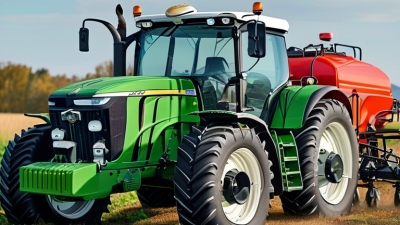
In the world of agriculture, a boom sprayer is an essential tool for effective crop management. This device helps in the even distribution of pesticides and fertilizers. According to Dr. Emily Turner, a leading expert in agricultural equipment, “Boom sprayers revolutionize the way we approach crop protection.” Her extensive research highlights how these machines optimize efficiency.
Boom sprayers can significantly reduce waste and enhance coverage. They consist of a long arm that extends over crops, providing precise application. However, not every farmer maximizes their potential. Miscalibration or improper settings can lead to uneven spraying. This is a common issue that needs addressing in the field.
The importance of regular maintenance cannot be overstated. A neglected boom sprayer may lose its effectiveness. Farmers must understand their equipment thoroughly. Small changes can lead to significant improvements in performance. As technology evolves, so do best practices. We must remain open to learning and adapting for better results.
What is a Boom Sprayer?
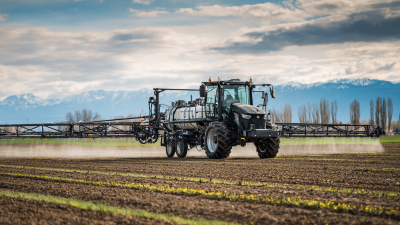
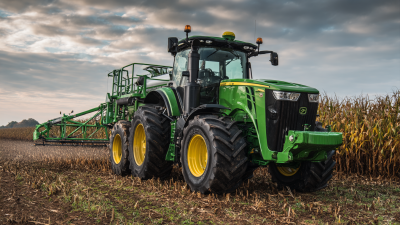
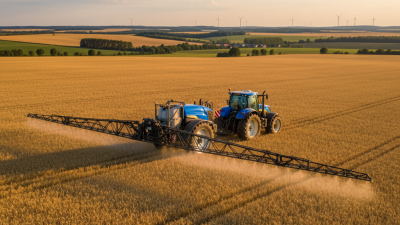
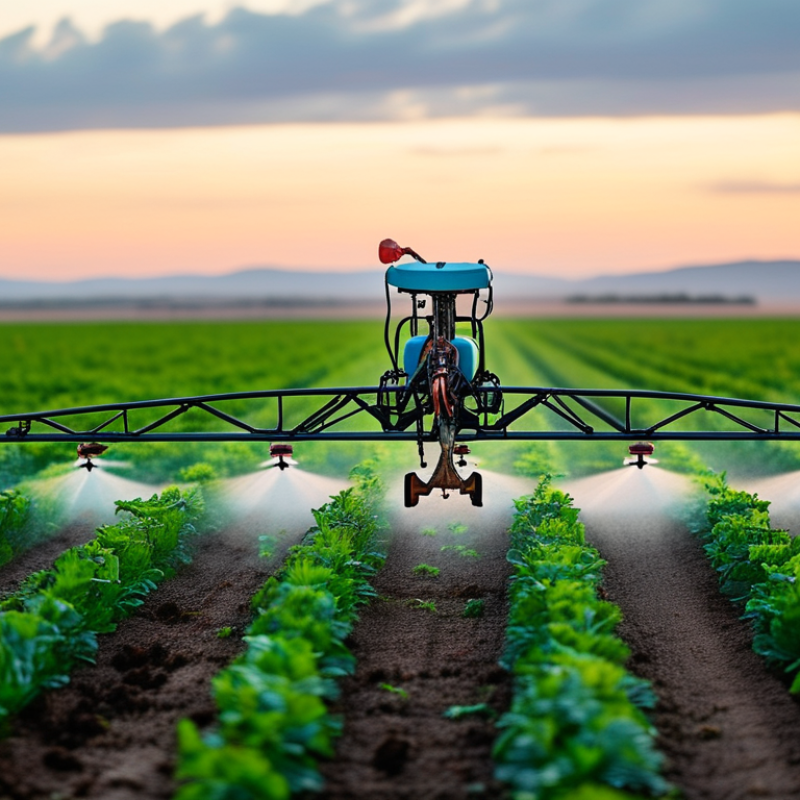
A boom sprayer is a critical tool in modern agriculture. It is designed to apply pesticides and fertilizers efficiently across large fields. Typically, these sprayers feature long horizontal booms that can span several meters. The design allows for uniform coverage, which can reduce chemical usage and safeguard crops.
Recent reports indicate that precision agriculture has seen a 20% increase in efficiency due to advanced sprayer technology. A well-calibrated boom sprayer can reduce chemical wastage by up to 30%. This efficiency is essential as it supports sustainable farming practices. Users often highlight that boom sprayers can also adapt to various terrains, but calibration and maintenance require ongoing attention.
However, operating a boom sprayer effectively demands a significant knowledge base. Farmers must understand the environmental impacts of their applications. Misapplication can lead to soil and water contamination. Furthermore, regulations around pesticide use add another layer of complexity. As growers seek to balance productivity and environmental stewardship, continuous education is crucial.
Key Components of a Boom Sprayer
A boom sprayer is an essential piece of equipment in agriculture. It allows efficient application of fertilizers and pesticides over large areas. Understanding its key components helps farmers optimize their use.
The main elements of a boom sprayer include the boom itself, nozzles, tank, and pump. The boom holds the nozzles in place and allows the operator to spray uniformly across rows of crops. It can expand and retract, adjusting to various field sizes. Nozzles are crucial. They determine the spray pattern and droplet size, impacting coverage and effectiveness.
When maintaining your boom sprayer, regularly check the nozzles for wear and blockage. Clogged nozzles can lead to uneven application. Ensure the pump operates smoothly to maintain pressure. Adjust the boom height to avoid drift and ensure accuracy. These simple actions can greatly improve your sprayer's performance.
Proper calibration is vital. Always measure the spray rate before use. This step can prevent over-application, which may harm crops or lead to wastage. Periodically evaluate the placement of the boom for optimal performance. These considerations can significantly affect both the environment and yield.
How Does a Boom Sprayer Operate?
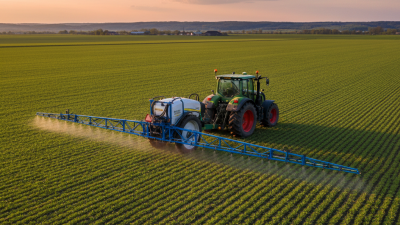
A boom sprayer is essential in modern agriculture. It allows for efficient application of fertilizers and pesticides. The mechanism of action relies on a series of nozzles attached to a long arm, known as the boom. These nozzles spray liquid in a wide pattern, ensuring uniform coverage of crops. This design minimizes the amount of chemical used while maximizing effectiveness.
Operating a boom sprayer involves several key steps. First, the operator calibrates the equipment to determine the appropriate pressure and spray volume. Research shows that well-calibrated sprayers can reduce chemical usage by up to 20%. Once set, the sprayer travels along the field. The boom extends out, distributing the liquid as it moves. This process must be carefully controlled to avoid drift or runoff, as these can lead to environmental concerns.
Field data indicate that boom sprayers can cover 10-15 acres per hour, depending on the size of the unit and the crop type. However, there are challenges. Operators must continuously monitor wind conditions and crop height. Improper adjustments can result in ineffective treatment or damage to plants. Ongoing training and attention to detail are crucial to maximize the sprayer’s potential while ensuring safety and environmental compliance.
Boom Sprayer Usage Statistics
This bar chart illustrates the area sprayed by boom sprayers across different crops in acres. It highlights the most commonly sprayed crops, with corn having the largest area covered, followed by soybeans and wheat.
Advantages of Using Boom Sprayers in Agriculture
Boom sprayers are essential tools in modern agriculture, streamlining the process of applying pesticides and fertilizers. The main advantage of using these sprayers is their efficiency. They cover large areas with precision, ensuring that crops receive the right amount of treatment. This efficiency can significantly reduce labor costs and save time during critical farming seasons.
Another benefit of boom sprayers is their ability to minimize chemical waste. By delivering formulations directly to the target areas, less product is lost to wind or runoff. Farmers can achieve higher yields while also supporting environmental sustainability. However, improper calibration of the boom can lead to uneven application and potential crop damage.
The use of boom sprayers can also enhance the accuracy of applications. With adjustable settings, farmers can tailor the spray to suit different types of crops and field conditions. This adaptability can be a game-changer. Still, growers must regularly inspect and maintain their equipment to avoid issues that could affect performance, emphasizing the importance of ongoing education and expertise in using these tools effectively.
What is a Boom Sprayer and How Does It Work? - Advantages of Using Boom Sprayers in Agriculture
| Feature |
Description |
Advantages |
Applications |
| Boom Width |
The width of the boom typically ranges from 15 to 120 feet. |
Covers large areas quickly, reducing time spent spraying. |
Row crops, orchards, and vineyards. |
| Precision Delivery |
Ensures accurate application of pesticides and fertilizers. |
Minimizes waste and environmental impact. |
Field applications, pest management. |
| Adjustable Nozzles |
Allows customization of spray patterns and droplet sizes. |
Optimizes effectiveness based on crop and weather conditions. |
Herbicides, fungicides application. |
| Tank Capacity |
Boom sprayers typically have a tank capacity ranging from 100 to 2,000 liters. |
Reduces the need for frequent refilling. |
Large acreage operations. |
| Mobility |
Can be mounted on various vehicles for field mobility. |
Increases operational flexibility and accessibility. |
All types of agricultural fields and terrains. |
Maintenance and Safety Tips for Boom Sprayers
Maintaining a boom sprayer involves regular inspections and proper care. Check the spray nozzles for clogs and damage. Clean them thoroughly to ensure even distribution. Inspect hoses for leaks or cracks, as these can affect performance. A small detail, like a worn-out O-ring, can lead to major issues. Consider replacing worn parts immediately to avoid costly repairs later.
Safety is crucial while using boom sprayers. Always wear protective gear, including gloves and goggles. Be cautious of wind direction when spraying. It can prevent drift and ensure accurate application. Proper calibration of the sprayer is necessary before each use. This step helps maintain the correct pressure and flow rate. Inadequate calibration can lead to uneven application and pesticide waste.
It’s important to remain aware of your surrounding environment. Avoid spraying near water sources and sensitive areas. Monitor weather conditions, as spraying on a rainy day may wash away the chemicals. Lastly, keeping a maintenance log can help track any recurring issues. This practice makes it easier to address problems when they arise.