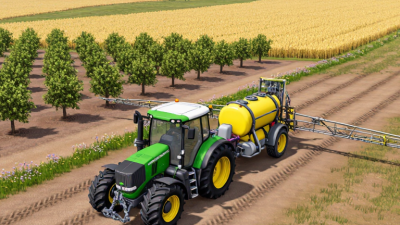
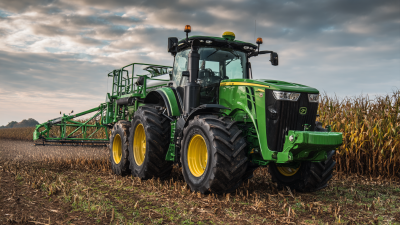
7 Best 3 Point Sprayers for Tractors in 2026
A 3 point sprayer can turn a tractor into a practical tool for timely weed and crop protection. But the right choice depends on more than tank capacity. Hitch compatibility, boom width, pump output, nozzle options, and the tractor’s lift capacity all matter. A full tank can weigh far more than it looks in a product photo.
The USDA National Agricultural Statistics Service reported that 27% of U.S. farms used precision agriculture practices in its 2022 Census of Agriculture, up from 15% in 2017. That figure signals growing interest in data-guided field work, but it does not prove that every farm needs a complex sprayer. Simple controls may be more valuable than advanced features when fields are small or irregular. Fit matters.
This guide compares seven tractor-mounted sprayers for 2026, focusing on specifications buyers can verify and trade-offs they can feel in daily use. We consider tank size, boom design, operating convenience, and available support. Product claims can vary by configuration, so confirm current specifications with the manufacturer or dealer before purchasing. A wider boom may cover ground faster, yet it can be awkward near fences, trees, and tight headlands. The best pick is the one that matches your tractor, acreage, crops, and routine—not the one with the longest feature list.
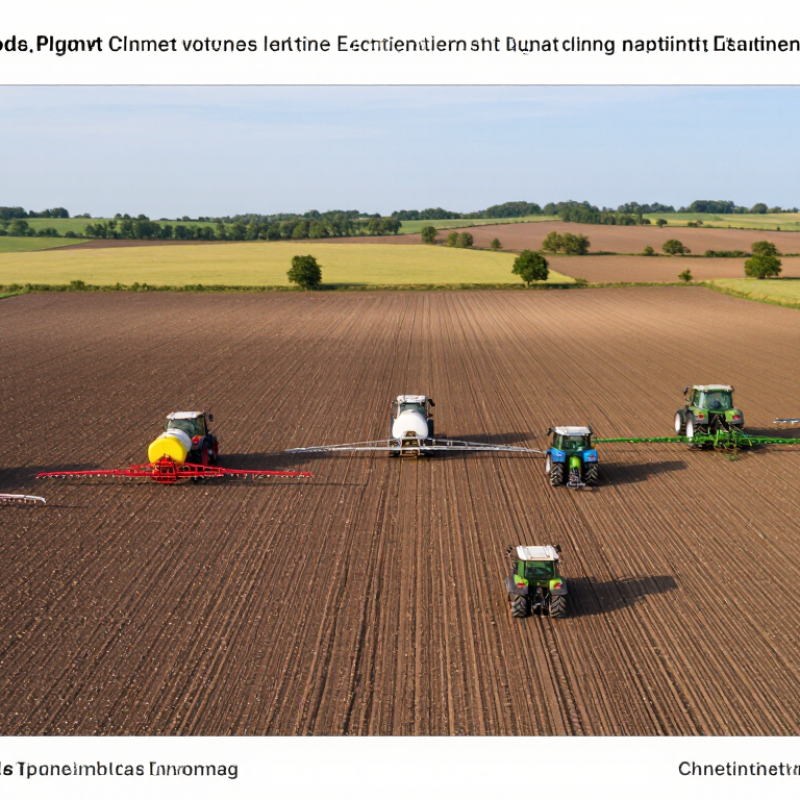
Understanding Three-Point Sprayers and Their Uses
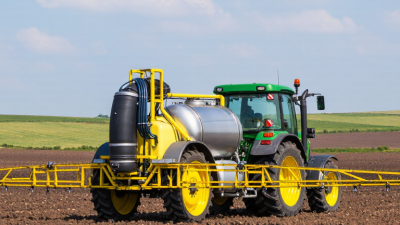
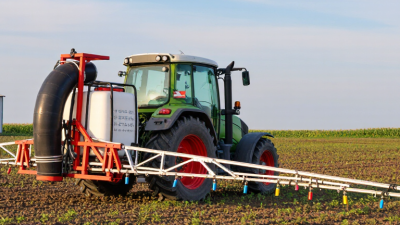
A three-point sprayer attaches to a tractor’s rear hitch, placing its tank and boom close to the machine. The hitch carries the load; a pump moves liquid through hoses and nozzles. Depending on the design, power may come from the tractor’s PTO or another source. That matters daily. A full tank can change balance and handling, so check the tractor’s rated lift capacity and the sprayer’s loaded weight, not just its empty weight.
The scale of U.S. agriculture helps explain why fit matters. USDA’s 2022 Census of Agriculture counted about 1.9 million farms covering 880.1 million acres. That broad census is not a sprayer-use survey, but it shows how varied farm sizes and field conditions can be. A compact boom may suit smaller plots, while wider booms can cover more ground per pass. Uneven terrain, crop height, and headland space still affect the practical choice.
Before spraying, inspect hose connections, filters, nozzle condition, and agitation. Then calibrate with clean water, checking output and walking speed against the intended application rate. Fit comes first. The hitch category alone says little about tank stability, boom clearance, or coverage. A useful choice comes from matching those details to the tractor and field. Real conditions can still surprise you.
How Tractor-Mounted Three-Point Sprayers Work
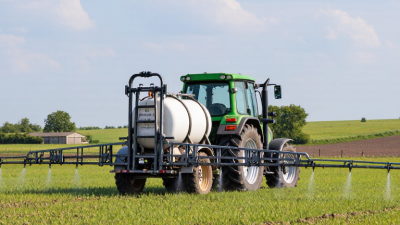
A tractor-mounted three-point sprayer attaches to the lower hitch arms and top link, keeping the tank and boom close to the tractor. A pump draws liquid through a strainer, then sends it to the boom nozzles. A pressure regulator controls flow; excess liquid may return to the tank, helping maintain circulation. Some pumps use tractor power, while others use hydraulic or electric systems. Check the tractor’s lift capacity with a full tank, not an empty one. A few gallons of water add real weight, and the load can shift on uneven ground.
Nozzle choice, pressure, and travel speed shape spray coverage. ASABE Standard S572.3 classifies spray quality using measured droplet-size categories, which helps compare nozzle performance. Penn State Extension’s calibration equation uses gallons per minute, speed, and nozzle spacing to estimate application rate. For example, a 0.2-GPM nozzle at 5 mph with 20-inch spacing delivers about 11.9 gallons per acre. That number is only a starting point; crop, target, and product directions matter. Even a small speed change can alter coverage.
Tips: Fill with clean water for a test run. Check for leaks, confirm each nozzle sprays evenly, and measure travel speed over a known distance. Keep the boom level. It is easy to overlook agitation, but settling can make tank contents uneven. Recheck calibration after changing nozzles or operating pressure.
Key Factors for Choosing a Three-Point Sprayer
Choosing a three-point sprayer starts with the tractor, not the tank. Check the hitch category, lift capacity, and allowable rear-axle load. A full tank can weigh far more than its empty shell suggests. Keep that added weight within the tractor’s limits, especially on slopes or soft ground. Balance matters.
Tank size should match the area you can spray before refilling. A large tank saves trips, but it can make turns awkward in tight rows. Compare boom width with your tractor’s working path and the space between obstacles. Then check the pump’s rated flow and pressure against the nozzle requirements. Pressure alone does not tell you how evenly the sprayer will apply liquid. Nozzles, spacing, and travel speed matter too.
Look for accessible strainers, drain points, and fittings that are easy to inspect. These details help when residue dries around a filter or a hose connection starts to seep. Confirm that the sprayer’s materials suit the intended agricultural products, and follow the product and equipment instructions. Calibration is easy to postpone. Don’t. Measure output over a known distance, then adjust speed or nozzle setup. One imperfect test run is better than assuming the settings are right.
Seven Best Three-Point Sprayers for Tractors in 2026
The seven best three-point sprayers for tractors are not one-size-fits-all. A compact tank suits small plots, while larger tanks reduce refill stops on broad fields. Other useful options include folding-boom, boomless, orchard, row-crop, and spot-spraying configurations. Match each setup to tractor lift capacity, hydraulic flow, row spacing, and the terrain you actually cover. Fit matters.
USDA NASS reported 1,900,487 U.S. farms covering 880.1 million acres in its 2022 Census of Agriculture. That scale and variety make a single “best” capacity unrealistic. The ASABE S572.1 spray-quality standard classifies droplets across seven size categories, from very fine to ultra coarse. Nozzle choice therefore matters as much as tank size: droplets that are too fine may drift, while coarse droplets can reduce coverage. Check the sprayer manual and crop-specific guidance before selecting nozzles or pressure. A clean specification sheet can still mislead; test the filled unit on level ground and confirm visibility, hitch stability, and boom clearance before fieldwork.
Matching Sprayer Capacity and Features to Your Needs
7 Best 3 Point Sprayers for Tractors in 2026
Matching sprayer capacity to your workload matters more than choosing the largest tank. USDA NASS reported about 1.9 million U.S. farms in its 2022 Census of Agriculture, covering roughly 880 million acres. The average was about 463 acres per farm, but that figure says little about any one farm’s spray workload. Measure the acres you actually treat, then consider refill access, field shape, and how far you travel between water and crops. A small tank can mean frequent stops. An oversized one adds weight and may be awkward on uneven ground.
Compare tank capacity with boom width, nozzle output, and your usual operating speed. The ASABE S572.3 standard classifies spray quality by droplet size, helping operators compare nozzle performance; it does not specify a best tank size. Check that the pump can maintain the required pressure across the selected nozzles. Also confirm tractor hitch capacity, lift limits, and whether the sprayer needs a PTO or hydraulic connection. A neat capacity calculation can still miss real delays, like a muddy access lane.
Tips: Estimate gallons per acre using a measured test area, then calculate tank coverage. Leave room for rinsing and avoid relying on the tank’s listed capacity alone. Test boom height and spray pattern in the field before a full day’s work.
7 Best 3-Point Sprayer Capacities for Tractors in 2026
Compare representative tank sizes to find a capacity that fits your acreage, refill access, and tractor. These are general capacity options, not rankings of specific products.
Smaller tanks can be easier to handle and suit spot treatments or compact properties; larger tanks reduce refill stops on bigger jobs. Check your tractor’s three-point hitch lift capacity, implement compatibility, and the sprayer manufacturer’s requirements before choosing.