
2026 Best 25 Gallon Sprayer for Farm Use?
Choosing the best 25 gallon sprayer for farm use in 2026 requires more than comparing tank sizes and prices. A useful machine must match your crops, field layout, tractor, and daily workload. It should deliver steady pressure, even coverage, and comfortable handling beside muddy rows. A full tank can weigh more than 200 pounds, so frame strength and balance matter.
Agricultural spraying specialist Dr. Erdal Ozkan has repeatedly emphasized, “Calibration is the key to effective pesticide application.” That principle guides this review. A 25 gallon sprayer with a strong pump can still perform poorly when nozzles are worn, pressure fluctuates, or the boom sits unevenly. The best models should offer practical controls, dependable agitation, accessible filters, and parts that farmers can replace without unusual tools. Small details matter.
Real farms are rarely perfect. Wind changes. Gates become narrow. Batteries lose strength during cold mornings. Some promising sprayers also have weak hose fittings or confusing pressure gauges. That deserves attention, not excuses. This guide compares leading 25 gallon sprayer options through capacity, spray pattern, durability, maintenance, and field experience. It also considers safe, label-compliant application and operator comfort. One model may excel in a vegetable plot, while another suits pasture edges or orchard lanes. The right choice depends on honest conditions, not showroom claims.
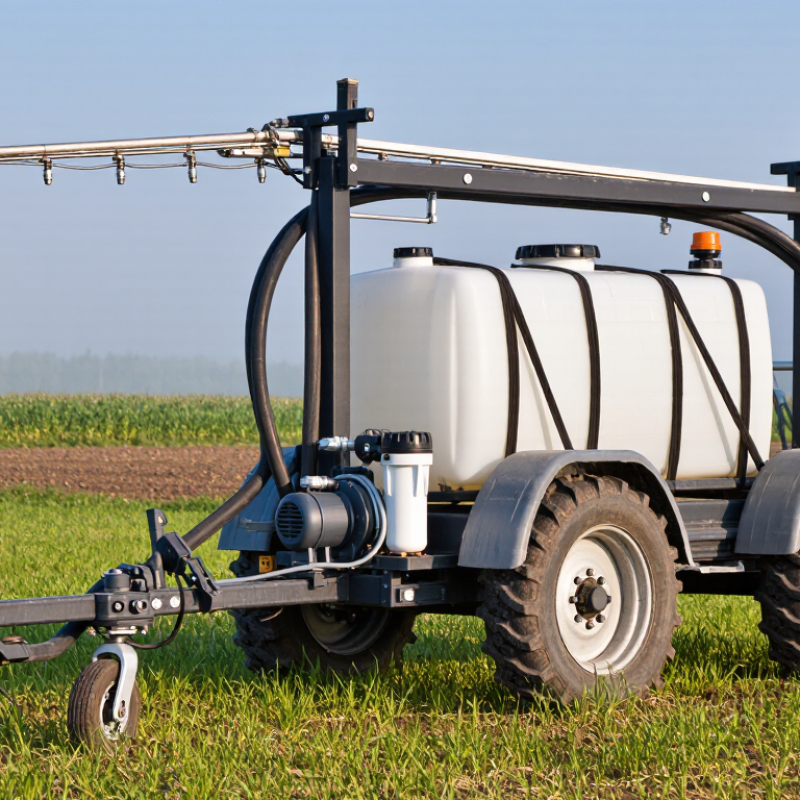
Define a 25-Gallon Farm Sprayer: 94.6-L Capacity and Core Components
2026 Best 25-Gallon Sprayer for Farm Use?
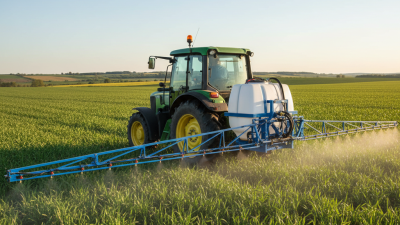
A 25-gallon farm sprayer has a nominal capacity of 94.6 liters. This size suits small fields, orchards, pasture edges, and spot treatment. The tank usually sits on a steel or reinforced frame. Core components include a pump, intake filter, hoses, pressure gauge, control valve, boom, and spray nozzles. A fill opening and drain point also matter during daily cleaning.
Capacity is not the same as working volume. Leave space for agitation, foam, and safe movement during transport. Water alone weighs about 94.6 kilograms. The frame, pump, and boom add more load. Check the tractor, ATV, or trailer mounting limits carefully. A stable platform reduces sway across uneven ground. It also helps maintain a consistent spray pattern.
In practical use, nozzle selection controls more than spray width. It affects flow rate, droplet size, and coverage. Calibrate the sprayer with clean water before applying any approved product. Measure travel speed and collect nozzle output for one minute. Small pressure changes can alter the result. I have found that filters are easy to overlook. A blocked filter can make one side of the boom spray weakly. My own weak point is estimating remaining liquid by sight, especially on sloped ground. A marked tank scale is more reliable. Always follow the product label and local agricultural guidance.
2026 Best 25 Gallon Sprayer for Farm Use? - Define a 25-Gallon Farm Sprayer: 94.6-L Capacity and Core Components
| Specification or Component | Typical 25-Gallon Farm Sprayer Data | Practical Farm-Use Details |
|---|---|---|
| Nominal tank capacity | 25 US gal (94.6 L) | The stated capacity is the tank’s nominal volume. The usable fill level may be lower to allow space for agitation, liquid expansion, and safe transport. |
| Tank material | UV-stabilized polyethylene | Polyethylene is commonly used because it is lightweight, corrosion-resistant, and suitable for many agricultural spray mixtures when the chemical label permits use. |
| Tank shape and features | Compact tank with molded sight markings | Visible gallon and liter graduations help operators measure water accurately. A wide opening and a secure lid simplify filling, mixing, and cleaning. |
| Liquid pump | 12-volt diaphragm pump; approximately 2.0–5.5 GPM (7.6–20.8 L/min) | A diaphragm pump is commonly selected for intermittent farm spraying because it can handle pressure variations and is generally compatible with many water-based agricultural applications. |
| Maximum working pressure | Typically 60–100 PSI (4.1–6.9 bar) | The actual operating pressure depends on the pump, regulator, hose, nozzle type, and application. Operators should stay within the limits specified for each component. |
| Pressure regulator | Adjustable bypass regulator with pressure gauge | The regulator controls spray pressure and can return excess liquid to the tank for basic circulation. A readable gauge helps maintain consistent application conditions. |
| Spray boom width | Commonly 4–7 ft (1.2–2.1 m) | A narrower boom is easier to maneuver around small fields, gardens, orchards, and uneven areas. The effective width depends on nozzle spacing and spray pattern overlap. |
| Hand wand and hose | Hand wand with approximately 15–25 ft (4.6–7.6 m) hose | The wand provides targeted spraying around fence lines, trees, field edges, and hard-to-reach areas. A flexible, chemical-resistant hose improves handling and service life. |
| Nozzle system | Replaceable agricultural spray tips; commonly spaced 20 inches (50.8 cm) on a boom | Nozzle selection determines spray pattern, flow rate, droplet size, and coverage. Flat-fan nozzles are widely used for broadcast applications, while specialty tips may be required for other tasks. |
| Typical application rate | Approximately 0.25–0.50 GPM per nozzle at common operating pressures | Actual output must be measured because flow varies with nozzle size, pressure, wear, and liquid properties. Calibration is required before field application. |
| Power connection | 12-volt connection to a compatible battery | The electrical system should include an appropriately rated fuse, protected wiring, and a switch located where the operator can shut the pump off quickly. |
| Frame and mounting | Powder-coated or corrosion-resistant steel frame | A rigid frame supports the tank, pump, regulator, and hose connections. Mounting hardware should be tightened regularly and checked for corrosion or vibration damage. |
| Agitation method | Hydraulic bypass agitation or return-line circulation | Returning a portion of the pumped liquid to the tank can help maintain a more uniform mixture. Agitation requirements vary by product and must follow the pesticide label. |
| Filtration | Tank outlet strainer plus nozzle-line screens | Filters help reduce clogging caused by debris or undissolved material. Screens should be cleaned regularly and replaced when damaged. |
| Estimated spray coverage | Approximately 1–3 acres per tank, depending on application rate | Coverage is determined by tank volume, travel speed, boom width, nozzle output, terrain, and the required gallons-per-acre rate. A 25-gallon tank does not cover a fixed acreage in every application. |
| Calibration requirement | Required before each product or application setup | Confirm nozzle output, operating pressure, travel speed, and treated width. Replace nozzles that vary substantially from the average flow rate. |
| Cleaning and maintenance | Triple-rinse tank and flush the complete spray system | After use, follow the chemical label and local regulations. Rinse the tank, pump, hose, regulator, boom, and nozzles; inspect seals, fittings, wiring, and filters before storage. |
| Safety essentials | Product label, chemical-resistant PPE, and controlled pressure | Use the personal protective equipment and handling procedures specified on the product label. Never exceed the pressure rating of the tank, pump, hose, fittings, or nozzles. |
Note: Performance figures are typical design ranges for 25-gallon agricultural sprayers. Confirm the exact pump, nozzle, pressure, compatibility, and operating limits for the selected configuration before use.
Related Posts
-
How to Choose the Best 25 Gallon Sprayer for Your Needs?
-

2026 How to Choose the Best 25 Gallon Sprayer Tank?
-
Revolutionizing Agriculture: The Benefits of Using ATV Sprayers for Efficient Crop Management
-

What Is the Best Tractor Sprayer Made in China?
-
2026 Top 100 Gallon Sprayer Tank Buying Guide?
-
How to Use a 3 Point Hitch Sprayer for Effective Spraying?