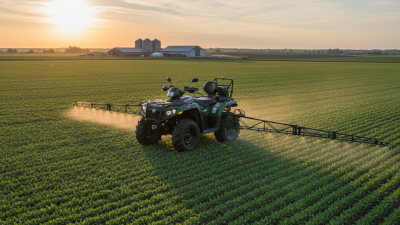
2026 Top 100 Gallon Sprayer Tank Buying Guide?
Choosing a 100 gallon sprayer tank in 2026 requires more than comparing price tags and advertised capacity. A full tank can hold roughly 830 pounds of water before adding the frame, pump, hoses, and fittings. That weight affects transport, vehicle payload, stability, and storage. This guide examines tank shape, polyethylene quality, wall thickness, baffling, drain placement, and frame strength. It also considers pump flow, pressure control, boom width, hose durability, and compatibility with approved agricultural products. Small details matter.
Field experience shows that a tank may look impressive online but perform poorly on uneven ground. A narrow outlet can slow cleaning. Weak straps can loosen during transport. Poorly placed baffles can create sudden movement when liquid shifts inside the tank. We will compare practical features through a professional, evidence-based lens, using manufacturer specifications, operating guidance, and realistic maintenance needs. Safety remains essential. Users should follow product labels, wear suitable protective equipment, prevent spills, and check local requirements before application.
No model is perfect.
Some buying decisions remain uncertain because suppliers publish incomplete information. Claimed capacity may not equal usable capacity, and a low price may hide costly fittings or difficult repairs. This guide will question those gaps instead of repeating marketing language. It will help farm operators, landscapers, and property managers select a reliable 100 gallon sprayer tank for their equipment, workload, and terrain. The best choice is rarely the largest or cheapest option. It is the tank that performs consistently, cleans easily, and remains manageable after years of ordinary use.
What Is a 100-Gallon Sprayer Tank and Who Needs One?
2026 Top 100 Gallon Sprayer Tank Buying Guide
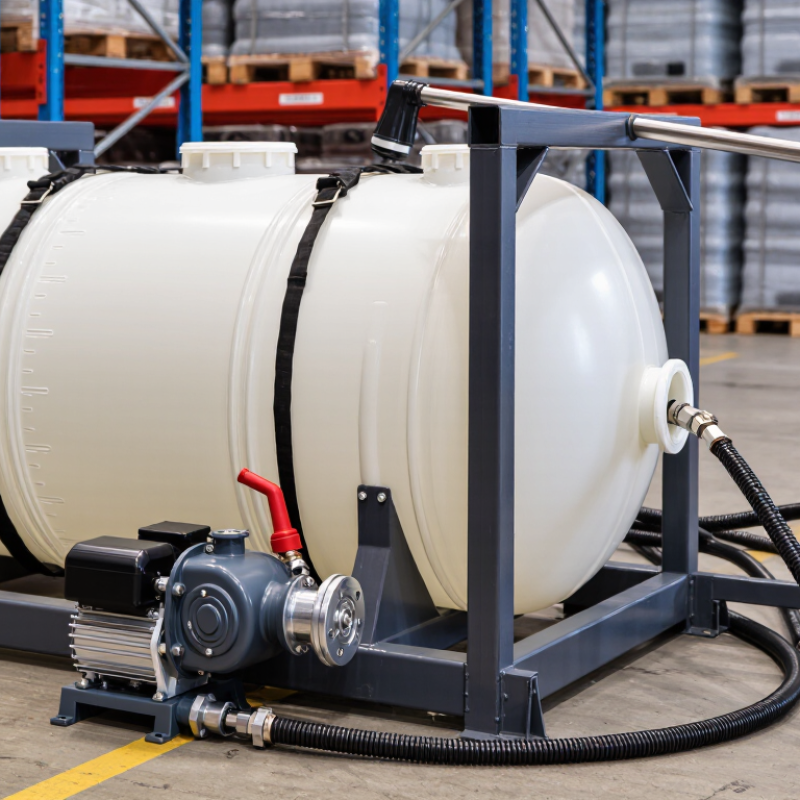
A 100-gallon sprayer tank stores enough liquid for medium-sized properties and small agricultural operations. It is more than a plastic container. A complete setup usually includes a pump, hoses, fittings, agitation, and spray nozzles. Water weighs about 834 pounds at full capacity. The tank, frame, and equipment add more weight. It is not small.
Property managers may need one for large lawns, sports fields, orchards, or private acreage. Small growers can cover several acres before refilling, depending on application rates and nozzle output. Roadside maintenance crews may also benefit from longer operating time. However, a 100-gallon tank can be excessive for narrow gardens or areas with limited vehicle access. Matching tank size to the work matters more than choosing the largest option.
Before buying, check the carrier’s payload rating, tank shape, drain position, and chemical resistance. A low center of gravity improves stability during transport. Strong baffles reduce liquid movement around turns. Pump capacity should match the boom width and desired pressure. Adjustable nozzles offer flexibility, but poor calibration can waste liquid and create uneven coverage. This is where many buyers underestimate the work. Measure your actual spray area, record gallons used, and test the pattern with clean water. Recheck those assumptions after the first job.
How to Compare Tank Materials, Shapes, and Mounting Designs
Choosing a 100-gallon sprayer tank in 2026 requires more than checking capacity. Tank material affects service life, weight, and chemical compatibility. UV-stabilized polyethylene remains practical for many agricultural applications. It resists corrosion and handles outdoor storage better than ordinary plastic. However, sunlight still weakens neglected tanks. Steel can offer rigidity, but it adds weight and needs reliable corrosion protection. Always compare the tank material with the intended liquid, temperature, and cleaning agents.
Shape changes how the sprayer behaves in the field. A low, horizontal tank can reduce the center of gravity on uneven ground. A vertical tank may fit narrow equipment, but it can increase sway when partially filled. Internal baffles limit liquid movement during braking and turning. Look for a sloped bottom or sump area. It helps the pump draw liquid with less residue left behind. A perfect drain is rare. Some designs still leave a small amount of fluid.
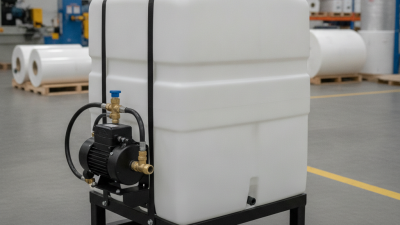
Mounting design deserves careful measurement. Skid-mounted tanks need a level frame, strong straps, and clearance around valves. Three-point mounting should match the tractor’s lift capacity and keep the tank close to the machine. Trailer-mounted systems need balanced axle loading and secure plumbing supports. Check inspection points before buying. Can you reach the filter without removing the tank? Can you see cracks beneath the straps? I have found that convenient specifications sometimes hide awkward maintenance. Confirm dimensions, empty weight, filled weight, and mounting hardware with documented technical data.
2026 Top 100 Gallon Sprayer Tank Buying Guide? - How to Compare Tank Materials, Shapes, and Mounting Designs
| Comparison Area | Common Option | Typical 100-Gallon Specification | Advantages | Limitations and Checks | Best-Fit Application |
|---|---|---|---|---|---|
| Capacity Reference | 100 US gallons | 378.5 liters; water contents weigh approximately 834 lb (378.5 kg) before adding the tank, frame, pump, hose, and fittings. | Provides a useful standard for comparing tank size and vehicle payload requirements. | Liquid fertilizers, concentrated chemicals, and wettable products can weigh more than water. Confirm the loaded weight, not only the nominal tank capacity. | Small farms, property maintenance, turf care, and utility spraying. |
| Tank Material | UV-stabilized linear polyethylene | Rotomolded plastic; commonly translucent or opaque; lightweight and resistant to many agricultural chemicals when the specific chemical is compatible. | Does not rust, has good impact resistance, is usually economical, and allows visual liquid-level inspection on translucent models. | Can be damaged by severe abrasion, heat, or incompatible chemicals. Long-term outdoor exposure requires UV stabilization. Do not use a plastic tank with a chemical unless compatibility is confirmed. | General-purpose herbicide, pesticide, fertilizer, and water applications. |
| Tank Material | Stainless steel | Welded metal construction; commonly selected where high mechanical strength, cleanability, and temperature resistance are important. | Strong, durable, easy to clean when properly finished, and less vulnerable to impact than many plastic tanks. | Heavier and generally more expensive. Corrosion resistance depends on the steel grade, weld quality, chemical concentration, and cleaning practices. Chloride-containing products require particular care. | Heavy-duty use, frequent cleaning, demanding mechanical environments, and selected liquid-fertilizer duties. |
| Tank Material | Fiberglass-reinforced plastic | Composite tank with a resin matrix and glass reinforcement; weight and chemical resistance depend strongly on the resin system and laminate design. | Can provide good stiffness and chemical resistance with moderate weight. | May crack or delaminate after impact, over-tightened fittings, or improper support. Repairs and inspection can be more difficult than with polyethylene. | Specialized chemical service where the resin system is confirmed to be compatible. |
| Tank Material | Chemical compatibility | Compatibility must be checked for the tank, lid, gasket, suction line, return line, pump, valves, and spray hose—not only the tank shell. | Reduces swelling, softening, cracking, leakage, and premature component failure. | Product concentration, temperature, exposure time, and mixtures can change compatibility. Never rely on water-only testing for an unknown chemical. | Every 100-gallon sprayer, especially when changing products or using concentrated formulations. |
| Tank Shape | Vertical cylindrical tank | Typical footprint is approximately 38–44 in diameter, with an overall height commonly around 48–60 in for a 100-gallon design. | Uses limited floor area, offers good liquid depth for suction, and is suitable for stationary or compact skid installations. | Raises the center of gravity and may require overhead clearance. The frame must prevent tipping and must support the curved base evenly. | Skid sprayers, stationary mixing areas, and narrow equipment platforms. |
| Tank Shape | Horizontal cylindrical tank | Common overall envelope is approximately 60–72 in long, 28–36 in wide, and 24–34 in high, depending on the frame and end shape. | Lower center of gravity than a tall vertical tank and generally convenient for vehicle or trailer mounting. | Requires adequate length and full-length support. Unbaffled liquid movement can affect handling during acceleration, braking, and turning. | Truck beds, trailers, utility carts, and mobile field spraying. |
| Tank Shape | Low-profile or elliptical tank | Often approximately 60–72 in long, 36–48 in wide, and 18–26 in high for a 100-gallon class tank, though dimensions vary considerably. | Minimizes overall height and can improve clearance beneath racks, covers, and low equipment platforms. | Needs a wide, continuous support surface. Shallow liquid depth may require careful suction-port placement and can increase residual liquid if the tank is not properly sloped. | Pickup beds, low-clearance equipment, and applications where stability is a priority. |
| Tank Shape | Baffles or internal wave control | Internal baffles divide the liquid volume or restrict surge; they are especially valuable in mobile tanks with substantial free space above the liquid. | Reduces liquid surge and improves vehicle stability and spray consistency while moving. | Baffles can make internal cleaning more difficult. They do not replace proper tie-downs, a strong frame, or safe driving practices. | Vehicle-mounted, trailer-mounted, and field-mobile sprayers. |
| Mounting Design | Skid-mounted frame | Tank, pump, plumbing, and controls are installed on a rigid base that is secured to a truck bed, trailer, or equipment platform. | Modular, serviceable, and adaptable to different vehicles. Equipment can often be removed as one assembly. | Requires a level load-bearing surface, positive tie-down points, and a frame that distributes the approximately 834-lb water load without point loading. | Contractors, farms, municipalities, and users who need a transferable sprayer. |
| Mounting Design | Truck-bed mount | Usually uses a low-profile or horizontal tank with a dedicated frame, load spreaders, and independent restraints. | Good transportability and convenient access to the pump, controls, and fill opening. | Check bed payload, axle ratings, tailgate clearance, center of gravity, and whether the tank can be secured without relying on the tank shell alone. | Pickup trucks and service vehicles with sufficient payload capacity. |
| Mounting Design | Trailer or utility-cart mount | The tank is carried on a dedicated chassis with a rated axle, tires, brakes where required, and a properly balanced tongue load. | Does not consume truck-bed space and can carry a complete sprayer package. | Confirm gross trailer weight, axle rating, tire load rating, hitch capacity, tongue weight, braking requirements, and road-use regulations. | Large properties, field work, landscaping crews, and dedicated spraying operations. |
| Mounting Design | Three-point hitch mount | Attaches to tractor lower links and top link; a full 100-gallon water load alone is about 834 lb, before the frame and equipment are included. | Highly maneuverable, easy to position, and suitable for tractor-powered field spraying. | Verify tractor lift capacity at the actual hitch distance, front ballast requirements, PTO or hydraulic compatibility, and clearance during turning and raising. | Compact and utility tractors with adequate rear lift capacity. |
| Mounting Design | Four-point or cradle support | Uses broad saddles, bands, or a formed cradle to support the tank over a large contact area. | Distributes load, reduces localized stress, and helps protect plastic tanks from deformation. | Rigid bands or sharp edges can damage a tank as it flexes. Use smooth contact surfaces and allow for thermal expansion where appropriate. | Most plastic tanks, especially on skid and vehicle mounts. |
| Plumbing and Service | Bottom outlet with shutoff valve | A low-point outlet improves drainage and pump access; the valve should be protected from impact and remain accessible after installation. | Supports reliable pump priming, easier flushing, and more complete draining. | Use compatible seals and fittings. Avoid unsupported side loads on the tank outlet, and protect the valve from rocks, curbs, and loading equipment. | All mobile and stationary 100-gallon sprayers. |
| Mixing and Cleaning | Rinse connection and agitation return | A dedicated rinse arrangement and a return line that creates circulation help distribute products and reduce residue after spraying. | Improves mixture uniformity and makes tank cleaning more repeatable. | Agitation flow must suit the pump and product. Cleaning water and rinsate should be handled according to the product label and local regulations. | Frequent product changes, pesticide use, and commercial maintenance work. |
| Selection Priority | Best overall balance | UV-stabilized polyethylene, low-profile or horizontal shape, broad cradle support, protected bottom plumbing, and a rated skid or trailer frame. | Combines corrosion resistance, manageable weight, low center of gravity, and practical serviceability for many users. | It is not automatically suitable for every chemical or vehicle. Confirm chemical compatibility, payload, tie-downs, pump flow, and legal transport limits before purchase. | General-purpose 100-gallon spraying on farms, properties, landscapes, and utility sites. |
Which Pump, Nozzle, Boom, and Agitation Systems Fit Your Needs?
A 100-gallon sprayer tank needs balanced components, not simply the largest pump available. A diaphragm pump suits many agricultural applications because it handles pressure changes well. A centrifugal pump can deliver higher flow, but it usually needs a steady liquid supply. Check the required gallons per minute before choosing. Oversizing the pump may waste power and increase nozzle wear.
Nozzle choice controls coverage, drift risk, and chemical use. Flat-fan nozzles work well for uniform broadcast spraying, while hollow-cone nozzles suit targeted coverage in some applications. Match nozzle output to travel speed and operating pressure.
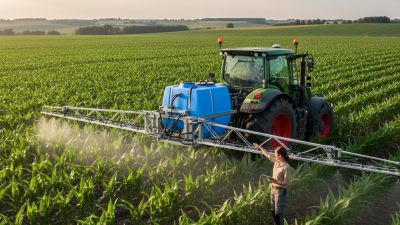
A three-point or trailer boom should remain rigid, level, and easy to fold. Uneven boom height can create visible stripes across a field. Tank agitation also matters. Hydraulic agitation keeps mixtures consistent, but excessive turbulence can create foam. Mechanical agitation may help with thicker liquids, though it adds moving parts and maintenance.
Tips: Test the system with clean water first. Measure output from every nozzle for one minute. Replace nozzles with noticeably different flow rates. Keep the suction line short and inspect its filter often. Leave room for safe filling; a completely full tank is harder to transport and clean. My practical mistake was focusing on tank capacity while ignoring hose diameter. The pump looked powerful, yet restricted plumbing reduced its real performance. Check the complete system, not one impressive component.
What Capacity, Durability, Safety, and Maintenance Features Matter?
A 100-gallon sprayer tank can cover medium-sized areas efficiently, but capacity is only one buying factor. Water weighs about 8.34 pounds per gallon, so a full tank exceeds 834 pounds before adding the frame, pump, and boom. Check your vehicle’s payload and axle ratings carefully. Baffles also matter because liquid movement can affect control, especially on slopes or uneven ground. A clear sight gauge helps prevent overfilling and reduces guesswork.
Durability begins with UV-resistant polyethylene, reinforced mounting points, and corrosion-resistant fittings. The tank should sit firmly without excessive flexing. Inspect molded seams, drain valves, hose connections, and the tank base before purchase. A reliable pump needs compatible flow and pressure ratings. Poor matching can cause weak coverage or unnecessary wear. Not every extra feature earns its cost. A sturdy frame may matter more than a complicated control panel.
Safety depends on design and daily habits. Choose a wide fill opening, secure lid, pressure relief protection, and easy-to-reach shutoff valves. Keep the tank depressurized during service. Follow product labels, wear the required protective equipment, and prevent contact with skin or eyes. Rinse the tank after each use, clean strainers, and inspect seals for swelling or cracks. Store hoses away from sunlight. Freezing weather requires proper drainage and winterization. A common mistake is postponing maintenance until performance drops. By then, a small leak may already have damaged nearby components.
How to Choose the Best 100-Gallon Sprayer Tank in 2026
Choosing the best 100-gallon sprayer tank in 2026 starts with actual field conditions, not catalog appearance. A 100-gallon U.S. tank holds about 378.5 liters, but usable capacity is lower after agitation space and expansion allowance. FAO AQUASTAT reports that agriculture accounts for roughly 70% of global freshwater withdrawals. That makes leak prevention and accurate application important. Select a UV-stabilized polyethylene tank with a wide opening, visible volume markings, and a low center of gravity. Rounded internal corners also reduce residue buildup during cleaning.
Match the tank to the pump and boom. A practical design should maintain steady agitation without creating excessive foam. Confirm the pump’s flow rate, hose diameter, drain size, and nozzle demand together. ASABE S572.1 provides recognized spray-quality classifications, so nozzle selection should follow the intended droplet category and operating pressure. Check every fitting by hand. Small leaks often appear around the drain valve after transport, not during showroom inspection. A baffled tank is valuable on uneven ground because liquid movement can destabilize the sprayer. Still, more baffles can complicate cleaning. That trade-off is easy to underestimate. My cautious choice would include a removable strainer, reinforced mounting points, and a documented pressure test. Avoid tanks that only advertise capacity without stating wall thickness, material grade, or replacement-part availability.
Related Posts
-
China Top 100 Gallon Sprayer Tank Manufacturers?
-
2026 Best Master MFG Sprayer Reviews and Buying Guide?
-
How to Choose the Right 3pt Sprayer for Your Farming Needs
-
2025 Guide: Choosing the Best ATV Boom Sprayer for Your Needs
-
7 Effective Tips for Choosing the Right UTV Sprayer Boomless for Your Needs
-
5 Essential Tips for Maximizing Efficiency with Your 15 Gallon Sprayer