2026 How to Choose the Best 25 Gallon Sprayer Tank?
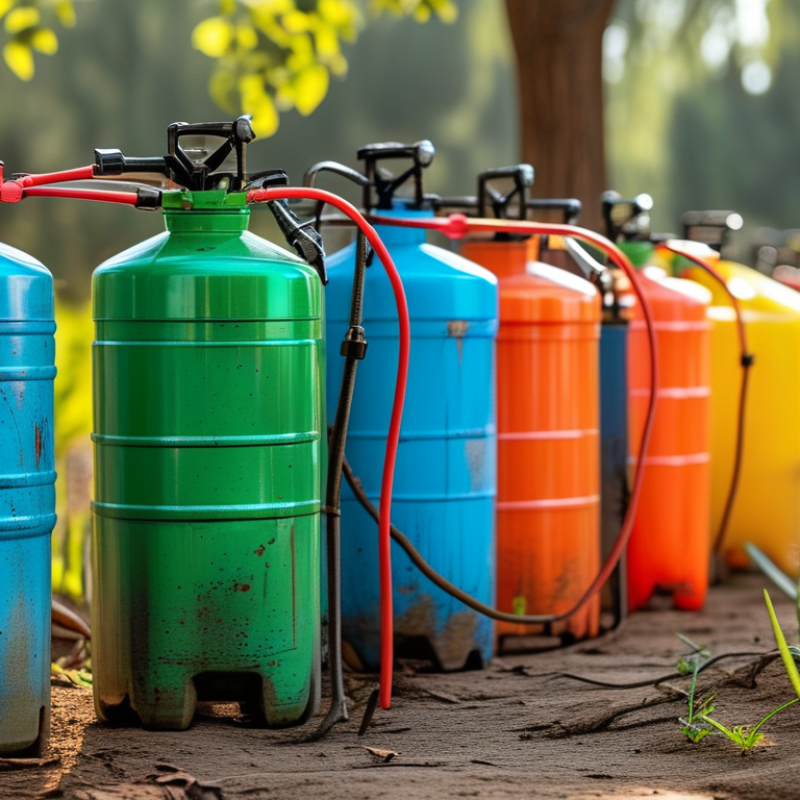
Choosing the right 25 gallon sprayer tank is crucial for effective spraying tasks. Whether for agriculture, gardening, or pest control, the tank affects performance. A quality sprayer tank ensures optimal fluid delivery and saves time.
There are various factors to consider. You need to assess the tank's material. Some tanks are more durable than others. A strong, reliable tank can withstand the elements. Additionally, think about the tank's weight and ease of transport. A heavy tank can be cumbersome during use.
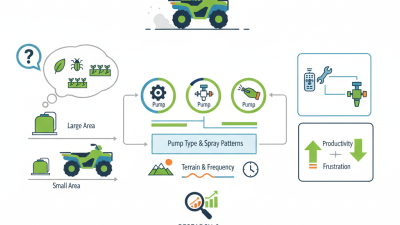
It’s essential to reflect on your specific needs. Not every 25 gallon sprayer tank fits every situation. Consider your spraying habits and the terrain where you will work. An informed decision will lead to better results. Remember, the right choice enhances efficiency and reduces frustration.
Benefits of Using a 25 Gallon Sprayer Tank in Agriculture
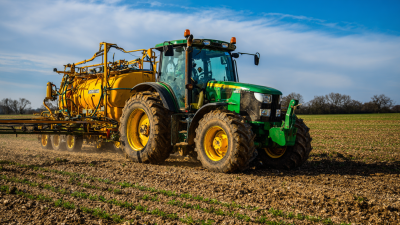
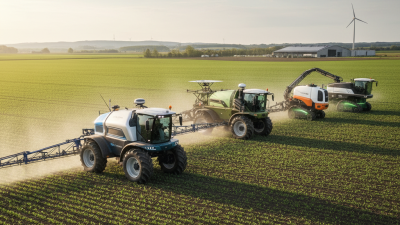
The benefits of using a 25-gallon sprayer tank in agriculture are significant. This size tank strikes a balance between capacity and maneuverability. It is particularly suitable for small to medium farms where efficient pest and nutrient management is crucial. According to the USDA, approximately 50% of farms in the U.S. utilize equipment like sprayers to enhance crop yields, which underlines the importance of proper sprayer selection.
One notable advantage of a 25-gallon sprayer tank is its capacity to cover larger areas without frequent refilling. A single tank can treat approximately 1-2 acres, depending on the crop and application rate. Investing in a tank that optimizes chemical use can lead to cost savings. However, improper calibration can lead to over-application, resulting in environmental harm and wasted resources. Regularly checking pressure and nozzle settings is essential for effective use.
Farmers often need to adapt their tools and methods. While a 25-gallon tank can be efficient, it may not always accommodate larger fields or varying terrain. Monitoring tank performance over time is necessary to ensure it meets evolving agricultural needs. Understanding local regulations is also vital. Each state has different guidelines on chemical usage that can impact sprayer choices. Using a 25-gallon tank can be beneficial, as long as farmers are mindful of their unique requirements.
2026 How to Choose the Best 25 Gallon Sprayer Tank? - Benefits of Using a 25 Gallon Sprayer Tank in Agriculture
| Feature |
Description |
Benefits |
| Capacity |
25 gallons |
Ideal for small to medium-sized farms. |
| Material |
High-density polyethylene (HDPE) |
Durable and resistant to chemicals. |
| Weight |
Approximately 30 lbs (empty) |
Easy to transport and maneuver. |
| Pump Type |
Diaphragm or roller pump |
Provides consistent and reliable pressure. |
| Nozzle Options |
Adjustable and fixed options available |
Versatility for different application needs. |
| Compatibility |
Compatible with various tractors and UTVs |
Convenient attachment and use on the field. |
| Calibration |
Easy calibration for accurate applications |
Ensures precise chemical usage, reducing waste. |
| Price Range |
$200 - $600 |
Affordable option for budget-conscious farmers. |
Key Features to Consider When Selecting a Sprayer Tank
When selecting a 25-gallon sprayer tank, key features are crucial. A well-built tank should resist chemicals and UV rays. Look for tanks made from high-density polyethylene (HDPE). Research indicates that HDPE can withstand harsh weather conditions, making it ideal for agricultural use. Additionally, an ergonomic design enhances user comfort. Adjustable straps can help secure the tank during transport.
Capacity is vital, but features like pressure and nozzle types also matter. A tank should offer various nozzles for different spraying tasks. A report from the Agricultural Engineering Journal highlights that adjustable nozzles can increase efficiency by up to 30%. This can significantly impact overall productivity, especially in large-scale operations.
Consider the weight of the tank when full. A full 25-gallon sprayer can exceed 200 pounds. Proper weight distribution is essential for stability. Ensure the tank can be easily mounted on your equipment. Feedback from industry professionals indicates that a poorly designed sprayer can lead to operational issues. Choose a tank that balances capacity and ease of use.
Industry-Standard Materials and Construction for Durability
When selecting a 25-gallon sprayer tank, materials and construction quality are essential for durability.
Tanks made from high-density polyethylene (HDPE) are preferred due to their resistance to corrosion and impact.
Research shows that HDPE tanks can last over 10 years with proper use, making them a reliable choice for many agricultural applications.
Another critical factor is the construction method. Rotomolding is a common technique that ensures uniform wall thickness,
reducing the chances of weak spots. According to the American Society for Testing and Materials (ASTM), properly molded tanks are less likely to warp or crack over time.
This durability is especially important in harsh environments, where exposure to chemicals can lead to premature failure.
Tip: Always check for certifications related to material safety.
Tanks that meet FDA standards for food safety are usually more reliable. This can be a reflection of their manufacturing quality.
Choosing between different tank designs is also vital. Certain designs may offer enhanced stability during transport or use.
However, these features might add complexity, which can lead to maintenance challenges.
Consider the overall ease of use and how it fits your specific tasks. Balancing durability with functionality is key,
and sometimes an overly specialized tank may need re-evaluation.
Optimal Nozzle Types and Spray Patterns for Different Applications
Choosing the right nozzle for your 25-gallon sprayer tank is crucial. A nozzle can determine the efficiency and effectiveness of your spray application. Industry experts suggest that the nozzle type can significantly influence the droplet size and distribution. For example, fine droplets are better suited for herbicides and pesticides, while larger droplets are effective for fertilizers.
Different applications require specific spray patterns. For example, a flat fan nozzle is ideal for even coverage over a wide area. A cone nozzle works well for applications needing greater penetration, especially in dense foliage. According to data from agricultural studies, selecting the wrong nozzle can result in a 30% decrease in application efficiency.
Consider also the material and design of the nozzle. Some materials resist wear and corrosion better than others, impacting longevity. Reflect on whether you prioritize precision or speed in your spraying tasks. Balancing these factors can lead to better results and less wasted product. Regular maintenance of your nozzle is essential for consistent performance.
Maintenance Tips for Extending the Life of Your Sprayer Tank
Proper maintenance of a 25-gallon sprayer tank is essential for its longevity and efficiency. Studies suggest that regular cleaning can extend the lifespan of your sprayer by up to 30%. After each use, rinse the tank thoroughly to remove any residues. This simple step can help prevent clogs and reduce corrosion.
Check the seals and gaskets monthly. Damaged seals can lead to leaks, wasting liquid and reducing pressure. A report by the Agricultural Sprayer Association highlights that nearly 25% of sprayer failures are due to poor seal maintenance. Replace them if they appear worn or damaged. It’s a small investment that can save you costly repairs down the line.
Store your sprayer tank in a shaded area to minimize damage from UV rays. Prolonged exposure can weaken the tank material. If possible, use a protective cover during storage. Additionally, ensure all connections are tight to avoid leaks. Reflecting on these practices can prompt improvements in maintenance routines. Regular attention to these details will yield better performance and extend the life of your equipment.
2026 Best 25 Gallon Sprayer Tank Comparison
This bar chart compares various 25 gallon sprayer tanks based on their effectiveness, durability, and maintenance ease. The data reflects average ratings based on customer feedback and usage studies.