What is the Best Boom Sprayer for Tractor Use?
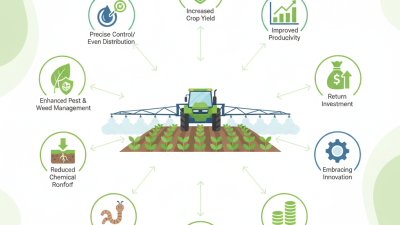
When it comes to effective agricultural practices, choosing the right boom sprayer for tractor use is crucial. With a myriad of options available, selecting the best one can feel overwhelming. The right equipment can significantly improve crop yield and efficiency. A reliable boom sprayer ensures even distribution of chemicals and fertilizers, enhancing plant health.
Farmers need to consider various factors. Compatibility with their tractor is essential. The size and capacity of the sprayer also play a critical role. Additionally, understanding the specific needs of the crops is important. Not every sprayer will suit every purpose.
Investing in a quality boom sprayer for tractor use can save time and improve results. However, it’s vital to evaluate each model carefully. Users should seek expert reviews and firsthand experiences. This approach helps in making an informed decision. Balancing quality with affordability is key, yet finding perfection in all aspects is unrealistic. Reflection on past purchases can guide future choices.
Understanding Boom Sprayers: An Overview and Their Importance
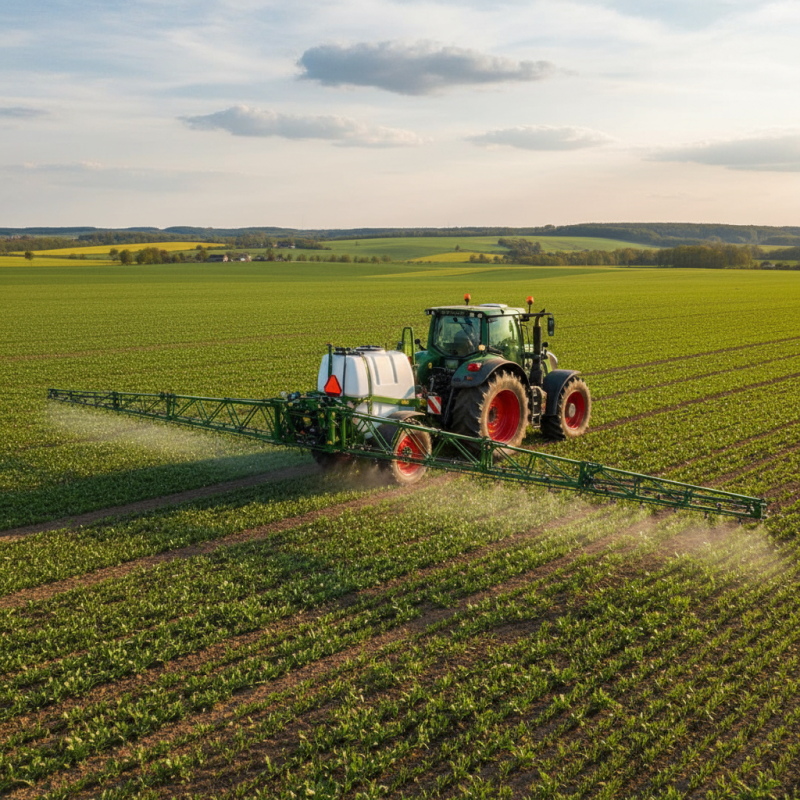
Boom sprayers play a vital role in modern agriculture. They allow for efficient and precise application of fertilizers and pesticides across large fields. This ensures better crop yields and minimizes waste. Effective use of boom sprayers can significantly reduce labor costs and time, making them indispensable for many farmers.
Understanding the mechanics of boom sprayers is essential. They come in various sizes, and features differ widely. The right sprayer can improve coverage and penetration of chemicals. However, choosing the wrong one can lead to uneven application. Not all sprayers are suited for every type of crop or terrain, which makes careful selection necessary.
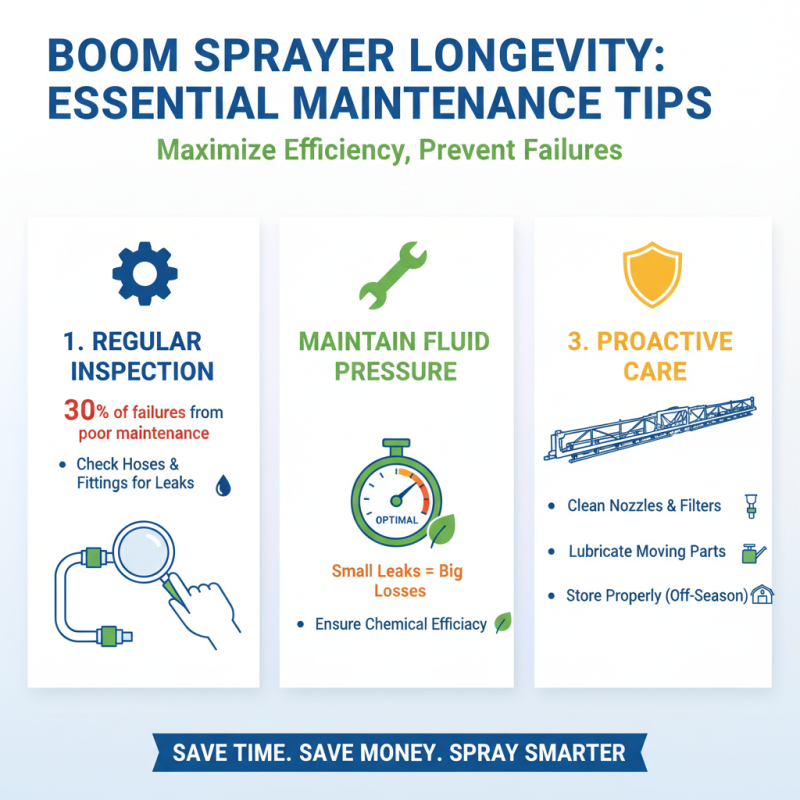
Farmers must also consider maintenance and calibration. Improper maintenance can lead to malfunctions, affecting productivity. Regular checks can prevent these issues. It is a process that demands attention and expertise. Each experience can teach valuable lessons for better performance in the future, reinforcing the importance of investing time in learning about equipment.
Comparison of Boom Sprayer Capacities and Coverage
Key Features to Look for in Tractor Boom Sprayers
When selecting a boom sprayer for tractor use, several key features stand out. First, consider the sprayer's capacity. A larger tank means fewer fill-ups during a spraying session. According to industry reports, sprayers with a minimum capacity of 50 gallons tend to be preferred by professionals. This capacity can lead to improved productivity and efficiency, especially on larger farms.
Next, look for the quality of the spray nozzles. Nozzles that provide even coverage reduce waste and enhance effectiveness. A study from the Agricultural Engineering Society indicates that adjustable nozzles can save up to 30% on chemical use. This not only saves money but also minimizes environmental impact, indicating a growing trend towards sustainable farming practices.
The boom width is another crucial factor. Wider booms cover more ground, reducing time spent spraying. Many farms report improved efficiency with boom widths exceeding 20 feet. However, wider booms can compromise maneuverability. This may lead to challenges in navigating smaller fields or tighter turns. It's essential to find a balance that works for your specific land and tasks. Always keep in mind that even the best equipment requires regular maintenance to function optimally. Regular checks and adjustments can significantly impact your overall results.
What is the Best Boom Sprayer for Tractor Use? - Key Features to Look for in Tractor Boom Sprayers
| Feature |
Description |
Importance |
| Tank Capacity |
The size of the tank that holds the liquid, usually measured in gallons or liters. |
Higher capacity allows for longer operation without refilling. |
| Boom Width |
The width of the spray boom, typically ranging from 10 to 60 feet. |
Wider booms allow for quicker coverage of larger areas. |
| Pressure Range |
The operational pressure range, usually specified in PSI. |
Greater pressure can increase the effectiveness of the spray pattern. |
| Nozzle Type |
Type of nozzles used for spraying, affecting droplet size and distribution. |
Different nozzles suit various applications for herbicides, fungicides, and fertilizers. |
| Ease of Setup |
How simple it is to attach and detach the sprayer from the tractor. |
Quicker setup time allows for more efficient field operations. |
| Durability |
Material quality and build that withstands outdoor conditions. |
Longer-lasting equipment reduces replacement costs over time. |
Types of Boom Sprayers Suitable for Tractor Use
When it comes to boom sprayers suitable for tractor use, there are several types worth considering. The most common types include hydraulic boom sprayers, self-propelled sprayers, and mounted sprayers. Each type serves a unique purpose, catering to different farming needs. For instance, hydraulic boom sprayers often offer flexibility and precision, making them ideal for orchards and vineyards. On average, they can increase spraying efficiency by up to 30%, according to recent industry reports.
Self-propelled sprayers are another popular choice. They have larger tanks and more power, allowing for quick coverage over vast areas. Research indicates that self-propelled equipment can reduce labor costs by approximately 25%, as they handle both spraying and transport duties. However, their higher upfront costs might not be suitable for all farmers.
Tips to consider: Always check the nozzle types suited for your crops. Different crops require different spray patterns. Regular maintenance on your sprayer can save on long-term costs and improve performance. Sometimes, farmers overlook these basic practices, leading to inefficiencies. Keeping a record of your equipment usage can help identify what works best in your field conditions.
Top Brands and Models of Boom Sprayers in the Market
When considering boom sprayers for tractor use, various options stand out in the market. Many models boast advanced features. These features improve efficiency and effectiveness during spraying tasks. The best boom sprayers often include adjustable booms. They allow for precise application of liquids, minimizing waste.
Notable brands provide different sizes and capacities. Some are designed for small farms, while others serve larger agricultural operations. It's essential to evaluate the tank size, pump type, and spray width. This ensures the sprayer meets specific needs. Many users appreciate sprayers that are easy to attach and detach from tractors. This convenience increases productivity during busy seasons.
There are also models that have dedicated nozzles. These help in achieving uniform coverage. However, some users find it challenging to calibrate these systems accurately. This may lead to over or under application, which is concerning. It's crucial to understand the terrain and the type of crops being sprayed. This understanding helps in selecting the right model and brand for optimal results. Regular maintenance of boom sprayers is vital too; neglecting this can lead to performance issues.