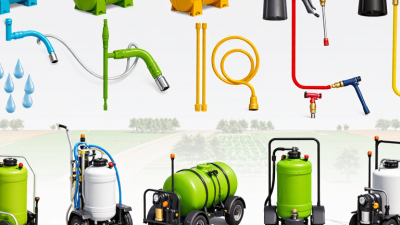
Why Choose Master Mfg Sprayer for Global Sourcing?
Global sourcing demands more than a competitive price. It requires dependable products, clear specifications, and consistent communication. For buyers comparing agricultural and animal-care equipment, master mfg sprayer can deserve careful consideration. Its product range may support farms, ranches, distributors, and equipment retailers with practical spraying needs.
A professional sourcing review should examine tank capacity, nozzle performance, pump durability, hose quality, and replacement-part access. These details matter. A sprayer may look efficient in a catalog, yet field conditions reveal more. Dust, cold storage, uneven terrain, and frequent cleaning can test every component. Buyers should request technical drawings, material information, packaging details, and sample units before placing large orders. Factory audits and documented inspections can add confidence. So can transparent responses about lead times and warranty handling.
Experience also shows that successful sourcing depends on fit, not promises alone. Master Mfg sprayer products should be assessed against local operating habits, transport conditions, and customer expectations. Certification requirements must be confirmed for each destination market. No supplier relationship is flawless. Communication delays can happen, and product updates may require closer review. That is why written specifications and pre-shipment checks remain valuable. A careful buyer can then compare quality, total landed cost, service support, and long-term reliability. This balanced process helps global partners make informed decisions without relying on advertising language alone. The strongest choice is not always the cheapest one. It is the option that performs consistently after arrival.
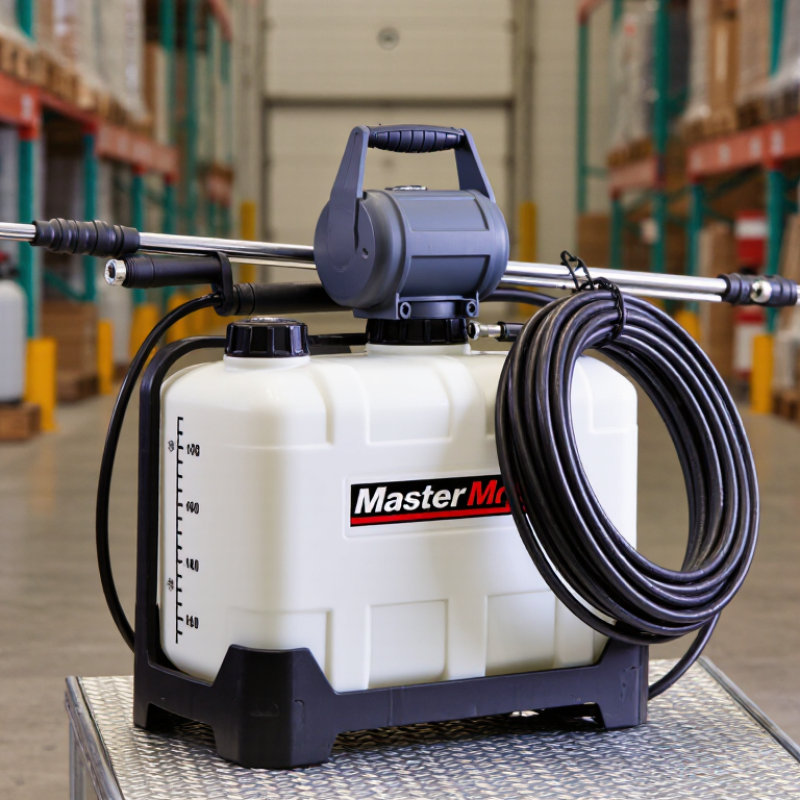
Master Mfg Sprayer: Product Scope and Core Applications
A professional sprayer program should cover more than one bottle and nozzle. Its product scope may include trigger sprayers, fine-mist pumps, compression units, replacement heads, extension tubes, and adjustable nozzles.
Materials often include HDPE, PP, PET, stainless steel, and chemical-resistant seals. Each choice affects durability, weight, spray pattern, and user comfort.
Core applications include commercial cleaning, plant care, workshop maintenance, vehicle detailing, and light industrial service.
A fine mist suits surface treatments and leaf care.
A wider stream works better for rinsing tools or applying water-based solutions.
In busy facilities, a comfortable trigger and clear volume markings reduce hand strain and refill mistakes.
Some models also support color coding, helping teams separate products and prevent cross-use.
Reliable global sourcing depends on practical verification. Buyers should request leak tests, spray-pattern checks, closure inspections, and material documentation before mass production.
Packaging trials matter too; a strong sprayer can still fail if its neck cracks during transport.
We have seen specifications look excellent on paper, yet the grip felt tiring after repeated use. That detail deserves attention.
No single design fits every market, climate, or application.
A useful sourcing plan leaves room for sample testing, user feedback, and careful revision.
Key Features That Support Global Sourcing Decisions
Global sourcing decisions depend on measurable sprayer performance, not attractive samples. A professional sprayer should deliver stable output across repeated tests. Consistent dosage supports accurate filling, customer satisfaction, and lower product waste. It also simplifies quality checks between factories and regions.
Material compatibility is equally important. Chemical resistance, seal durability, and nozzle performance should be verified with real formulas. ISO 2859-1 sampling methods can support structured inspection plans. Leak testing, spray-pattern checks, and cycle testing create useful evidence. However, laboratory results may not reflect rough handling or temperature changes. This gap deserves attention.
UNCTAD reports that maritime transport carries over 80% of global trade by volume. Packaging must therefore withstand vibration, pressure changes, and long transit periods. Clear technical documents, batch records, and traceable components help sourcing teams compare suppliers fairly. McKinsey reported in 2020 that 93% of supply-chain leaders had adopted resilience measures. A sprayer supplier should support that goal through flexible production, backup materials, and realistic lead-time data. Cheaper is not always safer. Small design changes, such as a stronger actuator or tighter closure, can reduce returns. Yet every improvement should be tested against cost, recyclability, and local user habits. Perfect sourcing does not exist. Evidence makes the risk visible.
Quality Standards, Manufacturing Capabilities, and Compliance
A reliable sprayer partner should prove quality with records, not polished promises. Production teams can control resin selection, mold temperature, closure torque, and actuator fit. These details affect spray pattern, leakage, and shelf performance. Inspectors should check incoming components, first-off samples, and finished units. Small defects matter.
Manufacturing capability also determines sourcing flexibility. A qualified factory may combine injection molding, automated assembly, ultrasonic welding, and in-line leak testing. It should provide documented tolerances and repeatable dosing data. Pilot runs reveal whether a design works beyond the sample table. Batch codes and inspection reports support traceability when questions arise. Useful evidence includes corrective-action reports, calibration logs, and retained samples. Not every supplier shares these willingly.
Compliance must match the destination market and product use. Ask for current material declarations and test reports related to REACH, RoHS, food-contact rules, or other applicable requirements. Verify them against the exact resin, colorant, and component configuration. An audit should review worker safety, environmental controls, and change management, not only paperwork. No factory is perfect. A missed label or delayed report can expose a weak process. The better question is how quickly the team identifies, documents, and fixes it. Direct technical discussions, realistic lead times, and transparent limitations create stronger sourcing decisions.
Global Sourcing Readiness for Sprayer Manufacturing
Quality-focused sourcing requires clear material controls, repeatable manufacturing processes, and documented regulatory compliance. The chart shows the maximum concentration limits defined by EU RoHS Annex II for restricted substances in homogeneous materials.
For global sourcing, suppliers should maintain controlled material specifications, production traceability, inspection records, and test documentation. RoHS limits apply to homogeneous materials, and product-specific obligations should be confirmed according to the destination market and product category.
Source: European Union Directive 2011/65/EU, Annex II, as amended by Commission Delegated Directive (EU) 2015/863.
Supply Chain, Customization, and International Distribution
Why Choose a Master Mfg Sprayer for Global Sourcing?
A dependable sprayer sourcing program starts with supply chain visibility. Experienced buyers review material availability, production capacity, lead times, and backup plans before placing large orders. A small delay in a trigger component can disrupt an entire shipment. Regular supplier communication helps identify that risk early.
Customization should serve real use, not decoration. Buyers can adjust nozzle output, spray pattern, trigger resistance, bottle compatibility, color, and packaging. Product samples should be tested with the intended formula and stored under realistic conditions. Technical records, inspection reports, and batch tracking also support consistent quality. Clear specifications reduce misunderstandings between factories, distributors, and end users.
International distribution requires more than a finished product. Carton strength, pallet layout, labeling, documentation, and destination requirements all affect delivery performance. A practical sourcing partner can coordinate pre-shipment inspections and provide export documents for review. Compliance still needs local confirmation.
The process is not flawless. Forecasts can change. Packaging may need revision after transit testing. That is why staged orders and documented approvals are valuable. Short feedback loops often prevent expensive rework. Reliable distribution grows from honest communication, measurable standards, and careful follow-through across every market.
How to Evaluate Master Mfg Sprayer for Your Market Needs
Evaluating an industrial sprayer for global sourcing requires more than checking price and appearance. Start with the market’s actual working conditions. Will users spray greenhouse crops, livestock areas, or large outdoor surfaces? Each task demands different pressure, tank capacity, hose length, and nozzle control. Fit matters. A compact unit may suit small farms, while commercial users often need stronger frames and longer operating times.
Inspect the construction closely. Check whether the tank resists common agricultural chemicals, whether seals remain flexible, and whether metal parts show proper corrosion protection. Ask for pressure test records, material specifications, and operating instructions in the target language. Reliable suppliers should explain production controls, inspection steps, and replacement-part availability without vague promises. Test it.
Global sourcing also requires practical cost analysis. Include shipping volume, packaging strength, import documentation, maintenance, and expected downtime. A low purchase price can become expensive if a damaged hose stops a customer’s work for several days. Confirm minimum order quantities and realistic lead times with written evidence. Local climate matters too; cold storage, intense sunlight, and humid warehouses can affect performance.
Our early assumption was wrong: the largest tank was not always the best choice. Some users preferred lighter equipment because workers carried it across uneven fields. A small field trial can reveal this difference. Measure spray consistency, operator fatigue, filling time, and cleaning effort before placing a larger order. No evaluation is perfect, but recorded results make weaknesses easier to correct.
Related Posts
-
7 Best Master Mfg Sprayers for Global Buyers?
-
Exploring the Benefits of ATV Boom Sprayers for Efficient Agriculture Practices
-

Top Skid Sprayer Options for Global Buyers Today?
-
How to Choose the Best Side by Side Sprayer for Your Needs?
-

7 Tips to Choose the Best Side by Side Sprayer?
-

2026 Top Tractor Sprayer Models for Global Buyers?