Top 10 UTV Sprayer With Boom Types for Sale?
Choosing among the top 10 UTV sprayer with boom types for sale requires more than comparing tank size and price. Field conditions matter. A compact 25-gallon unit may suit narrow orchard rows, while a 60-gallon sprayer can cover larger pasture sections. However, added capacity also increases weight, stopping distance, and strain on the UTV.
Agricultural equipment consultant Alan Reed says, “A boom is only useful when its spray pattern matches the crop, terrain, and operator.” That practical warning deserves attention. A folding boom helps when passing through gates or wooded paths. A three-nozzle boom may offer simple coverage, but uneven ground can create missed strips. Adjustable nozzles provide flexibility. They also require more careful calibration.
This guide examines ten sale-ready designs with different boom widths, pump systems, tank capacities, and mounting arrangements. It considers real use, including hose reach, spray pressure, frame stability, and cleanout access. These details are easy to overlook.
Small details matter.
A reliable utv sprayer with boom should feel balanced on rough ground, not merely look powerful in a product photo. Stainless or chemical-resistant fittings can improve durability, but they do not remove the need for rinsing after every application. Some models advertise impressive coverage rates, yet those figures may assume ideal speed and flat terrain. That is where buyers should pause and think again.
No single sprayer fits every property. The best choice depends on acreage, vegetation, terrain, water access, and operator experience. This comparison aims to make those trade-offs clearer before purchase.
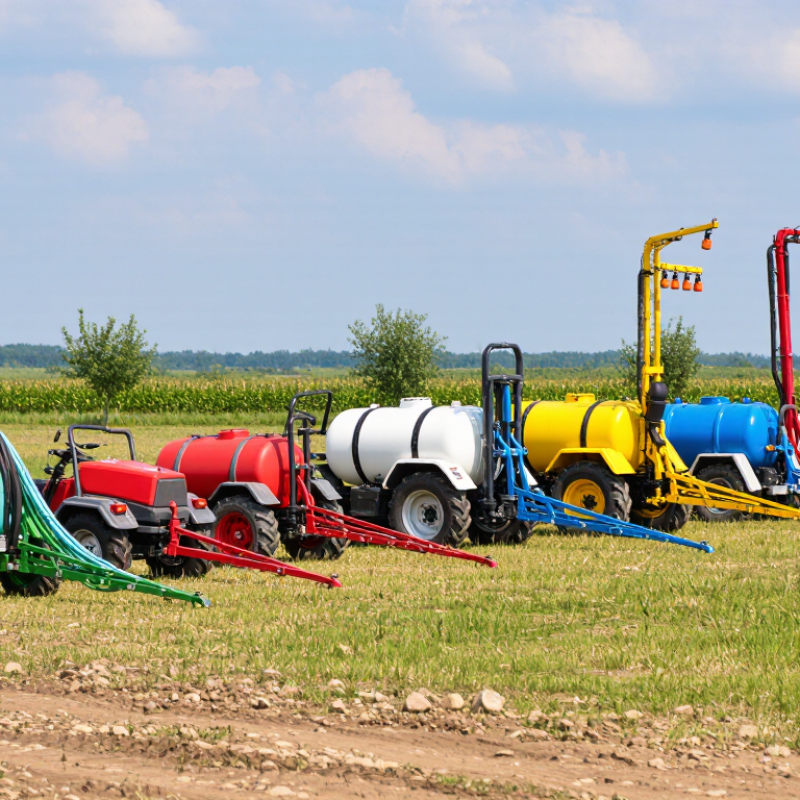
What Is a UTV Sprayer and How Does a Boom System Work?
A UTV sprayer combines a tank, pump, hoses, nozzles, and a vehicle-mounted boom. The boom spreads liquid across a wider path than a handheld wand. Each nozzle creates a controlled spray pattern. Pressure, nozzle spacing, and driving speed determine coverage. Small changes can leave visible stripes in grass or crops.
In practical field use, the pump draws liquid from the tank and pushes it through the boom line. Nozzles then divide the flow into overlapping patterns. A flat boom suits open ground, while a folding boom fits narrow storage areas. Some models use adjustable sections for uneven plots. It is not magic. A larger tank also means more weight, especially on slopes. I once assumed wider coverage was always better, but turning space and terrain often matter more. Buyers should check frame strength, tank capacity, hose quality, and replacement nozzle availability before choosing a UTV sprayer for sale.
Tips: Calibrate the sprayer with clean water first. Measure the distance traveled, collect nozzle output, and compare the results. Keep pressure steady during testing. Wear suitable protective equipment and follow the product label and local application rules. Do not spray near waterways or windy areas. Real fields are uneven. A simple test strip can reveal missed coverage before the whole area is treated.
Key UTV Sprayer Features to Compare Before Buying
Top 10 UTV Sprayer With Boom Types for Sale?
When comparing UTV sprayers, boom design deserves close attention. A folding boom suits narrow trails, while a wider fixed boom covers open pasture faster. Measure your gate openings first. A 60-inch boom may fit easily, but an 80-inch model can reduce passes and save time. Uneven ground also matters. Look for adjustable boom height and spring protection to limit nozzle damage.
Tank capacity should match your UTV’s payload rating, not just your acreage. A full 40-gallon tank adds substantial weight behind the vehicle. Check the pump’s flow rate, pressure range, and power source. Electric pumps are convenient, but battery performance can weaken during long sessions. A pressure gauge, reliable shutoff, and easy-to-reach controls improve field accuracy. Small details count.
Nozzle spacing, filter access, and hose quality deserve a hands-on inspection. Quick-clean filters help prevent blocked tips when water contains fine debris. Choose interchangeable nozzles for different application patterns, and confirm the system supports accurate calibration. Read the operating instructions carefully. Local application rules still apply. Do not assume a larger pump means better coverage; excessive pressure can create drift and uneven output. I have found that simple controls often outperform complicated panels in dusty conditions. Still, one overlooked weakness remains common: some compact frames flex under a full tank. Inspect welds, mounting points, and the boom hinge before buying.
Top 10 UTV Sprayers With Boom Types for Sale
The top 10 UTV sprayers with boom types for sale should be judged by coverage, tank balance, and field control. Common choices include compact folding booms, rear-mounted booms, front booms, adjustable-width booms, and three-section booms. Other useful designs include low-profile booms, breakaway booms, extended booms, spot-spray combination units, and boom systems with pressure regulation.
A practical operator should inspect the frame before comparing spray width. A 25-gallon tank may suit small plots, while a 60-gallon tank needs stronger mounting and careful weight distribution. Short boom. Easy handling. Wide boom. Faster coverage. Folding sections help when passing through gates or narrow rows. Breakaway tips can reduce damage after contacting posts or branches. However, a wider boom is not always better. Uneven ground can cause height changes and uneven application.
Look for a chemical-resistant tank, a reliable diaphragm pump, clear pressure controls, and a washable filter. Nozzle spacing should match the intended application, and replacement parts should be easy to obtain. Test the sprayer with clean water before field use. Watch for leaks around hose connections and confirm that both boom sections spray evenly. I once found that a small pressure gauge was difficult to read from the driver’s seat, so visibility matters more than catalog photos suggest. Seat comfort, hose routing, and simple shutoff controls can affect real productivity.
Top 10 UTV Sprayers With Boom Types for Sale
Comparison of representative UTV boom-sprayer configurations by tank capacity and total boom width. Specifications reflect common market configurations and should be verified with the seller before purchase.
Larger tanks reduce refill frequency, while wider folding or multi-section booms can improve field coverage. Actual spray output depends on nozzle selection, pressure, speed, and application rate.
How to Match Sprayer Capacity and Boom Width to Your Property
Choosing a UTV sprayer starts with your property, not the product list. Measure treated acreage, terrain, water access, and storage space. A compact tank suits small plots, narrow trails, and frequent refills. Larger tanks reduce stops but add weight, which can affect braking and stability. Check your UTV’s payload rating carefully. A full tank is surprisingly heavy.
Match capacity to the application rate shown on your approved product label. For example, four acres at 15 gallons per acre requires about 60 gallons. Add a modest reserve for rinsing and uneven coverage.
Do not simply choose the biggest tank. It may overload the vehicle or leave liquid sitting too long. That is wasteful.
Boom width should match field geometry. A wide boom covers open pasture efficiently, while a narrow boom works better between trees, fences, and garden rows. Foldable or segmented booms can improve maneuverability, but extra joints require regular inspection. Measure turning areas before buying. Brochures rarely show tight corners.
Calibration matters more than advertised capacity. Collect spray from each nozzle for one minute, compare the amounts, and adjust speed or pressure. Keep records after every change. Small errors become expensive across several acres.
I have found that a slightly narrower boom often gives more consistent coverage on irregular land. It is not always the fastest option, but it can be the more dependable one.
UTV Sprayer Safety, Maintenance, and Operating Guidelines
When comparing the top 10 UTV sprayers with boom types for sale, safety should guide the purchase. A wider boom covers more ground, but it can strike trees, fences, or power structures. Choose a boom width that matches your trails and turning space. Keep the tank low and centered to reduce rollover risk. In 2019, CDC/NIOSH reported 410 agricultural workers died from work-related injuries, with a fatality rate of 23.2 per 100,000 workers. That figure deserves attention.
Before spraying, inspect hoses, nozzles, guards, tires, and tank straps. Replace cracked seals immediately. Calibrate each nozzle over a measured distance, then check the output with a container. Small errors become costly across several acres. Wear chemical-resistant gloves, eye protection, long sleeves, and suitable footwear. EPA’s Worker Protection Standard requires pesticide handlers to follow product labels, training rules, and restricted-entry instructions. Never rely on memory; labels change.
Operate slowly on slopes, uneven ground, and wet soil. Keep the boom level, and avoid spraying during strong wind or visible drift. Wash hands and exposed equipment after the task. Rinse the tank only according to the product label, never beside wells or surface water. Maintenance logs should record nozzle changes, calibration results, leaks, and cleaning dates. I still find rushed inspections tempting during busy seasons, but that habit creates preventable risk. A five-minute check can reveal a loose clamp before it becomes a field failure.
Related Posts
-
The Ultimate Guide to Choosing the Best UTV Sprayer Boomless for Your Needs
-
How to Choose the Best UTV Sprayer with Boom for Your Needs?
-
What Is a Boomless ATV Sprayer and How Does It Work?
-
China Best ATV Weed Sprayer for Sale Worldwide?
-
What is a UTV Sprayer with Boom Uses Benefits and Key Features
-
Top UTV Sprayers with Boom for 2026 Yearly Review and Buying Guide