How to Choose the Best 40 Gallon Sprayer Tank for Your Needs?
Choosing the right 40 gallon sprayer tank can be overwhelming. Numerous options exist, but not all meet your specific needs. According to the Agricultural Equipment Association, a well-suited tank can enhance efficiency by up to 30% during application tasks.
Industry expert Dr. Sarah Mitchell states, "The right tank can significantly impact operational success." This highlights the importance of careful selection. Matching features like material, nozzle types, and pump compatibility with your agricultural demands is crucial.
A reliable 40 gallon sprayer tank should withstand various chemicals. It also needs to have a clear gauge for easy monitoring. However, some tanks may lack durability or proper warranty. Potential buyers should consider user reviews and ratings carefully. A thorough inspection of the tank can reveal both strengths and limitations that influence performance.
How 40 Gallon Sprayer Tanks Fit Common Agricultural Needs
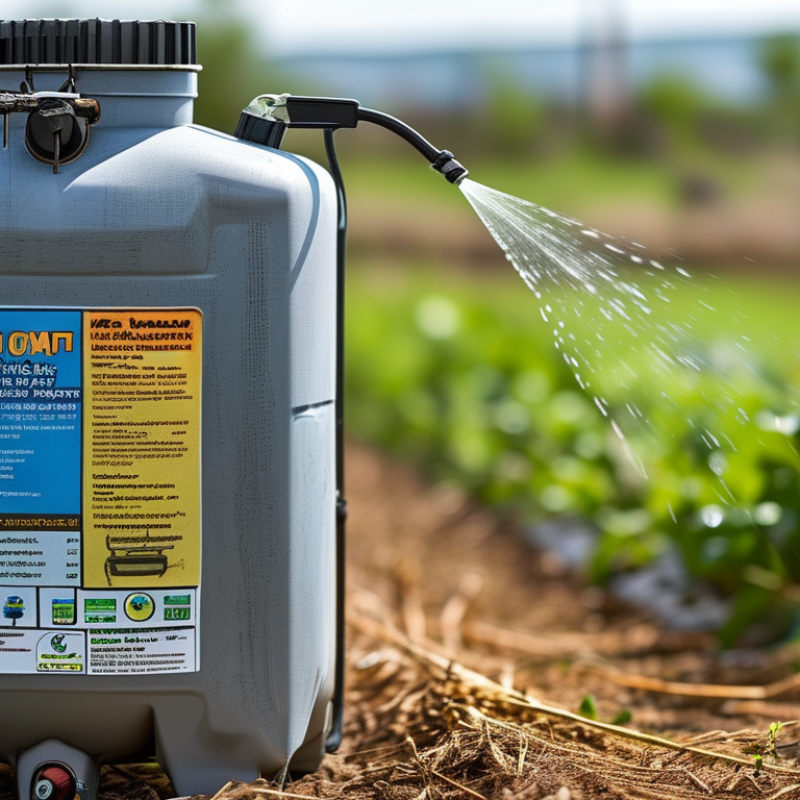
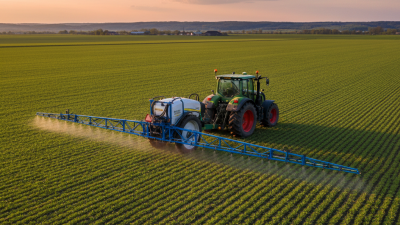
When selecting a 40-gallon sprayer tank, understanding agricultural needs is key. Farmers require versatile solutions for various tasks. These tanks can handle tasks like pesticide application, herbicide spraying, and even fertilization. A tank's durability is essential, as it often faces harsh weather conditions. Choose materials that resist corrosion and UV damage.
In addition, consider the tank's mounting and compatibility with existing equipment. A poorly fitting tank can lead to leaks and inefficiencies. Farmers often overlook this aspect, leading to lost resources. Furthermore, ease of use is crucial. Features such as adjustable nozzles enhance application precision, promoting better results.
Efficiency in filling and cleaning the tank cannot be neglected. A well-designed tank should allow quick changes in liquid and easy maintenance post-use. Unfortunately, not every product on the market delivers on these fronts, so research is necessary. Evaluate reviews and seek advice from fellow farmers. This ensures that the chosen tank truly meets your agricultural needs without compromising quality.
Key Features to Consider When Selecting a 40 Gallon Sprayer Tank
When selecting a 40-gallon sprayer tank, key features should be top of mind. Start with the material. A durable tank made from polyethylene can resist corrosion and UV damage. Think about how much flexibility you need. Some tanks are rigid, while others offer slightly more adaptability. If you're working in varying conditions, flexibility can be crucial.
Next, consider the design. A tank with a wide mouth opening makes filling and cleaning easier. Look for tanks that come with a filter. This helps prevent clogs and ensures your sprayer operates smoothly. Additionally, a tank with good pressure regulation can be beneficial. It allows for consistent application, particularly if you're spraying liquids over large areas.
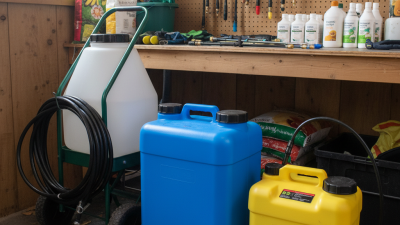
Don't overlook the importance of portability. If you plan to move the tank often, wheels can be advantageous. Evaluate the weight distribution, too. An unbalanced tank can be difficult to maneuver. Lastly, think about storage size. Ensure the tank fits in your workspace without crowding other tools. Balancing these features involves reflection and personal preferences. It's about finding what works best for your specific needs.
Comparing Materials: Polyethylene vs. Stainless Steel Sprayer Tanks
When choosing a 40-gallon sprayer tank, the material is crucial. Polyethylene and stainless steel are common options. Polyethylene tanks are lightweight and resistant to corrosion. They are often less expensive, making them appealing. According to industry reports, about 60% of users prefer polyethylene for its ease of handling and installation. However, they can degrade under UV light exposure and may not withstand extreme temperatures well.
On the other hand, stainless steel tanks offer durability. They resist rust and can handle a wide range of chemicals. A study indicates that stainless steel tanks can last more than 15 years with proper maintenance. However, they typically cost more than polyethylene. Users sometimes find their weight cumbersome. Moreover, stainless steel can sustain scratches that may lead to contamination.
Ultimately, assess your needs carefully. Think about the chemicals you will use and the environmental conditions. Reflection on long-term costs versus short-term savings may lead to a more informed choice. Consider how often you will move the tank. Each material has its strengths and weaknesses, and understanding them will guide your decision.
Tank Compatibility with Different Spraying Equipment and Chemicals
When selecting a 40-gallon sprayer tank, compatibility is crucial. Different equipment types require tanks that match their specifications. For instance, a tank designed for pressure sprayers might not be suitable for a gravity-feed system. Industry reports suggest that 35% of equipment failures stem from mismatched compatibility. This underlines the importance of checking compatibility before making a purchase.
Chemical interactions also play a significant role in tank selection. Certain materials in tanks may corrode when exposed to specific chemicals. For example, polyethylene tanks are resistant to most fertilizers but can degrade with harsh solvents. A survey conducted in 2022 found that 22% of sprayer users experienced chemical-related leaks due to tank incompatibility. Evaluating the chemicals you plan to use will prevent costly mistakes and ensure safe application.
Finally, always consider the size of the fittings and hoses connected to your sprayer tank. Improper fittings can lead to pressure loss and diminished performance. Experts recommend assessing the entire spraying system for optimal results. This attention to detail helps avoid frequent maintenance and operational issues in the field.
Understanding Spray Patterns and Nozzle Options for Optimal Efficiency
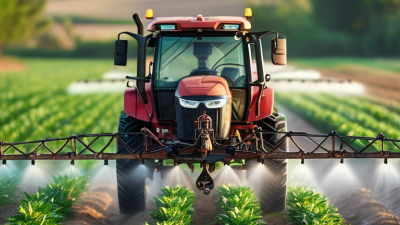
Choosing a suitable 40-gallon sprayer tank involves understanding spray patterns and nozzle options. Different spray patterns can determine the efficiency of your applications. For instance, a wide fan pattern is ideal for covering large areas quickly, while a cone pattern is suitable for targeted applications. According to industry data, selecting the right nozzle can improve coverage efficiency by up to 25%.
The choice of nozzle size and type can affect droplet size. Smaller droplets provide better coverage, but they are also more prone to drift. Research suggests that using medium droplet sizes balances coverage and minimizes drift. Evaluating the type of application can help in making the right decision. For instance, herbicides may require different droplet sizes compared to pesticides for optimal results.
Consider specific tips when selecting nozzles. Analyze the substance you are spraying to determine the best nozzle type. High output needs a different approach than low volume applications. Experimenting with various combinations can lead to better performance in the field. Regular maintenance ensures nozzles function properly, enhancing the overall efficiency of your sprayer system.