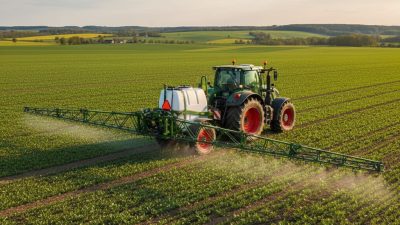
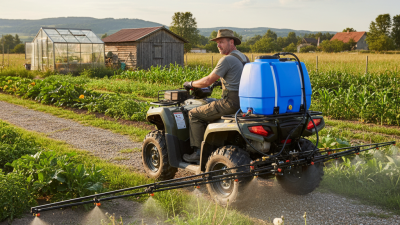
Best 3 Point Sprayer Options for Efficient Farming Needs?
In the realm of modern agriculture, efficiency is key. The right equipment can significantly impact crop yield and farm productivity. According to Dr. Emily Carter, an expert in agricultural engineering, "Investing in a reliable 3 point sprayer is crucial for maximizing efficiency on the farm." With this in mind, choosing the best 3 point sprayer can be a daunting task for many farmers.
There are various factors to consider. Features like tank capacity, spray pattern, and compatibility with your tractor are vital. Many sprayers offer advanced technology, enhancing precision and reducing waste. However, not all options are created equal. Some lack durability or fail to meet specific farming needs. It’s essential to balance quality with price.
Farmers should also reflect on their unique situations. Not every 3 point sprayer will suit every farm. Inadequate research may lead to choices that don’t support long-term goals. A thoughtful approach will ensure that the selected sprayer aligns with both current and future farming operations.
Overview of 3 Point Sprayers and Their Importance in Farming
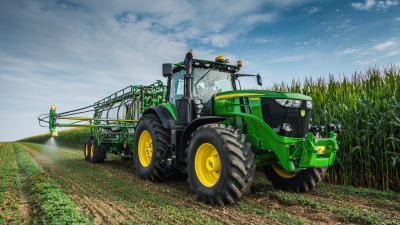
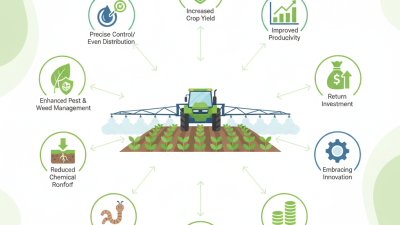
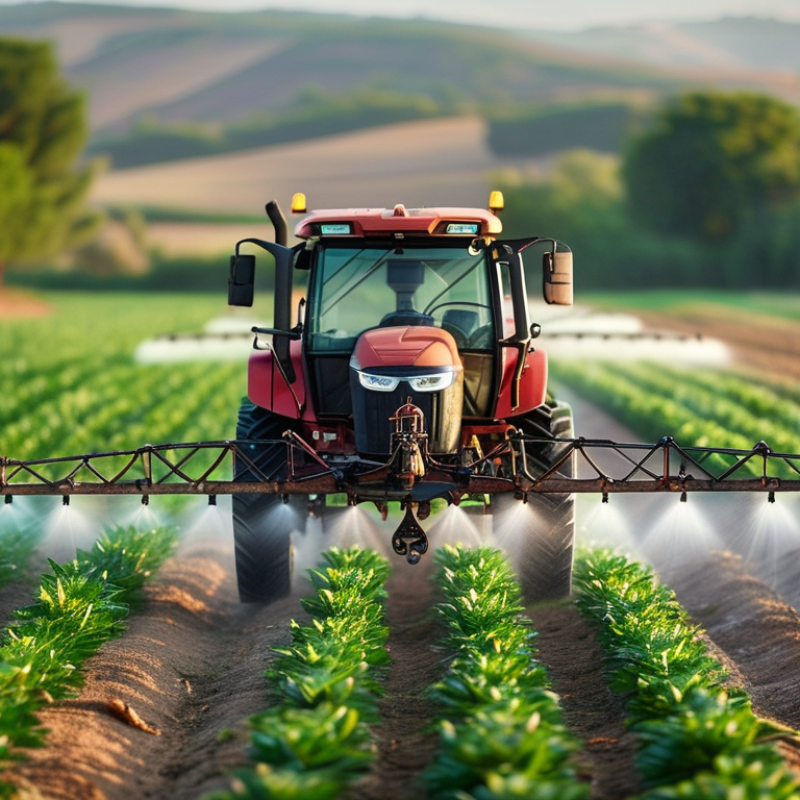
3 point sprayers play a crucial role in modern farming. These machines attach easily to tractors, enhancing the efficiency of various agricultural tasks. They are designed for precise application of fertilizers and pesticides, significantly improving crop yields. According to a report by the Ag Mechanical Society, efficient spraying can increase productivity by 30%.
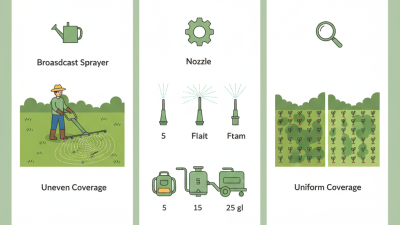
Farmers often face challenges with uniform coverage and spray drift. Proper calibration of 3 point sprayers is essential to ensure effective use. Studies show a 20% reduction in pest populations when using calibrated sprayers correctly. However, many farmers overlook the importance of regular maintenance. Neglecting this can lead to uneven application and reduced crop health.
The growing focus on sustainable practices emphasizes the need for precision in farming. 3 point sprayers help minimize waste, supporting environmentally friendly agriculture. Despite their benefits, some farmers express concerns about initial costs. Investing in high-quality equipment can be daunting, but the long-term savings on chemicals and improved crop health often outweigh these concerns.
Key Features to Consider When Selecting a 3 Point Sprayer
When selecting a 3 point sprayer, the first step is understanding your specific farming needs. Not all sprayers are created equal. Consider the tank capacity. A larger tank reduces the need for frequent refills during extensive spraying tasks. A sprayer with a capacity of 300 gallons can cover more ground while maintaining efficiency.
Next, look at the nozzle types. Different nozzles provide varying spray patterns. Adjustable nozzles can help farmers customize the spray width and intensity. This flexibility can lead to more efficient pesticide and fertilizer application. Remember, more spray doesn't always mean better results. Effective coverage is key.
Also, think about the materials used in construction. Durable materials ensure longevity and reduce maintenance costs. A sprayer that shows wear and tear can lead to inefficiency and increased operational costs. Reflect on your current equipment. Is it serving your needs effectively, or could it be time for an upgrade?
Top 3 Point Sprayer Brands and Their Specifications
When it comes to agricultural efficiency, three-point sprayers play a crucial role. Farmers need reliable brands that offer durability and precision. According to industry reports, approximately 70% of farmers consider sprayer efficiency as a top priority. This statistic highlights the emphasis on effective water and chemical application, vital for modern farming.
Three-point sprayer specifications can vary significantly. Key aspects include tank capacity, pump pressure, and spray width. For instance, some models feature tanks ranging from 50 to 300 gallons. A higher pump pressure can lead to better spray patterns. Additionally, spray widths can extend up to 30 feet, ensuring extensive coverage during application. In a recent survey, 80% of farmers reported improved crop yields after switching to high-capacity sprayers.
However, convenience comes with challenges. Farmers often find it difficult to optimize their sprayers for different crop needs. Calibration can be time-consuming and may require multiple adjustments. Notably, a significant percentage of users mentioned difficulties in maintaining consistent spray patterns across varying terrain. While these challenges exist, investing in quality sprayers could mitigate many issues and improve productivity.
Best 3 Point Sprayer Options for Efficient Farming Needs
| Model |
Tank Capacity (Gallons) |
Pump Type |
Pressure (PSI) |
Weight (lbs) |
Price ($) |
| Compact Sprayer |
25 |
Diaphragm |
40 |
100 |
450 |
| Commercial Sprayer |
50 |
Piston |
60 |
150 |
850 |
| Heavy Duty Sprayer |
75 |
Centrifugal |
80 |
200 |
1200 |
Comparative Analysis of Performance and Efficiency
When selecting the best three-point sprayers for farming, performance and efficiency are crucial. Research indicates that well-designed sprayers can enhance crop yields by up to 15%. Factors such as nozzle type, tank capacity, and pump pressure vary significantly among models. A study published by the Agriculture Efficiency Institute highlights that sprayers with adjustable pressure settings improve pesticide application uniformity, which is essential for effective pest management.
Timely maintenance plays a vital role in sprayer performance. Clean filters and well-calibrated nozzles can reduce waste and improve application accuracy. Farmers should inspect their equipment regularly. Neglecting maintenance can lead to uneven spraying, which negatively impacts crop health.
Moreover, understanding the terrain of your farm is important. Hilly or irregular landscapes might require sprayers with specific features to ensure even coverage. A survey from the National Agricultural Statistics Service indicates that uneven application can lead to a significant loss of input efficiency, costing farmers valuable time and money. It's essential to choose sprayers that adapt to these conditions.
Researching and investing in the right sprayer can seem overwhelming. Look for options that offer features tailored to your farming needs. Reading reviews and consulting with local agronomists can be beneficial. Developing a personalized plan can help optimize your farm's spraying system.
Maintenance Tips for Maximizing the Lifespan of Your Sprayer
Maintaining a three-point sprayer is crucial for its longevity. Regular checks can prevent costly repairs. According to a report from the Agricultural Equipment Association, improper maintenance can reduce the lifespan of sprayers by up to 30%. Inspecting seals and hoses should be a routine task. A small crack can lead to leaks, wasting valuable resources.
Cleaning the nozzles is essential as well. Clogged nozzles can result in uneven application of chemicals. This not only decreases efficiency but can also harm the crops. Research suggests that over 20% of sprayers are not correctly calibrated, leading to wasted inputs and potential crop damage. Regular calibration checks will ensure optimal performance.
Store the sprayer in a controlled environment when not in use. Extreme temperatures and humidity can degrade materials over time. Seasonal maintenance is often overlooked yet necessary. Ignoring these tasks can lead to larger problems down the line. Keep a maintenance log to track what has been done. This simple step can help identify recurring issues and improve overall efficiency.
Best 3 Point Sprayer Options for Efficient Farming Needs