Best 25 Gallon Sprayer Tank in 2026
Finding the best 25 gallon sprayer tank in 2026 is less about chasing a long feature list and more about matching the tank to the work. A full tank can weigh well over 200 pounds, depending on its contents, so frame strength, mounting points, and equipment capacity deserve careful attention. Small details matter. An accessible lid, a drain that empties cleanly, and clear gallon markings can make filling and cleanup less frustrating.
This guide compares practical details shoppers can verify, including tank material, shape, UV resistance, outlet size, plumbing compatibility, and intended use. Some tanks are designed for stationary setups, while others suit trailers or ATVs. Check the dimensions before ordering. A tank with the right capacity may still block access to tools or sit awkwardly on a platform. Compare its fittings with your pump and hose, too. “Compatible” does not always mean ready to install. That matters.
No single model suits every setup. A compact footprint may be useful, but it can limit access or stability on certain platforms. Treat the recommendations ahead as a shortlist, not a substitute for checking specifications. Review load ratings, dimensions, and care instructions before buying. Product details can change, and price alone cannot predict how a tank will hold up to regular use. Use the comparisons to find a balance of capacity, durability, fit, and maintenance for your actual spraying needs.
Understanding 25-Gallon Sprayer Tanks and Their Common Uses
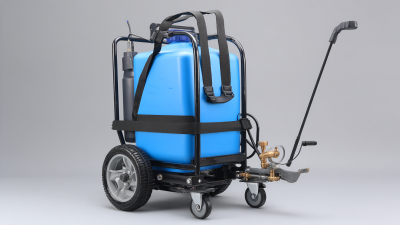
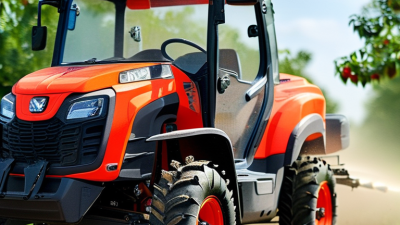
A 25-gallon sprayer tank holds enough solution for repeated field passes without the bulk of a large nurse tank. It is commonly mounted on a utility vehicle, small trailer, or tractor. Water alone weighs about 209 pounds at full capacity, before adding the tank, pump, and frame. That adds up. Check the carrier’s load rating and secure the tank against movement.
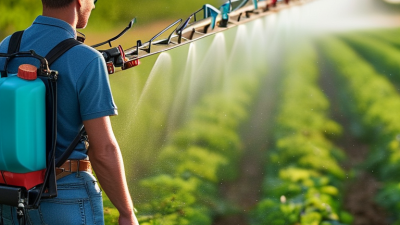
Typical uses include applying approved herbicides, insecticides, or liquid fertilizers across small farms, orchards, pastures, and large properties. A boom can cover uniform rows; a hand wand suits fence lines, tree bases, and isolated weeds.
The USGS report Estimated Use of Water in the United States in 2020 found that irrigation accounted for about 42% of U.S. freshwater withdrawals. That figure describes irrigation broadly, not sprayer-tank use, but it underscores why targeted application and leak checks matter.
Coverage still depends on nozzle choice, pressure, travel speed, and wind.
Tips: Calibrate with clean water before adding product. Inspect hoses, fittings, and filters, then record the nozzle and walking or driving speed that produced even coverage. Follow the product label, wear its specified protective equipment, and avoid spraying in gusty conditions. A small missed leak can become a large, costly one.
Key Features That Affect Tank Performance and Durability
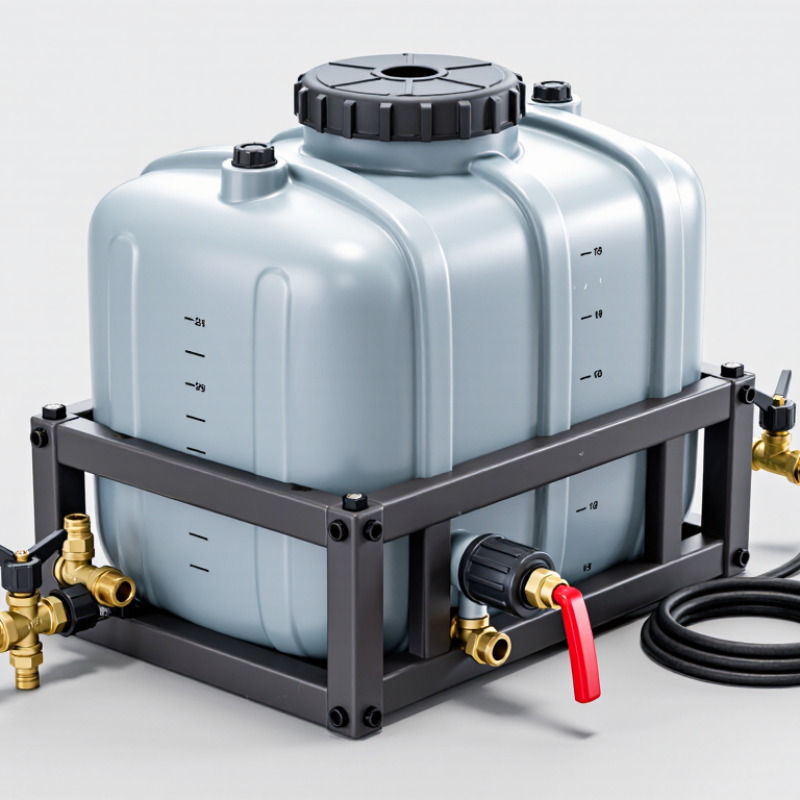
A 25-gallon sprayer tank needs more than a large capacity to perform well. Its material should resist sunlight, chemical exposure, and repeated temperature changes. Polyethylene is common because it is lightweight and corrosion-resistant, but wall thickness and molding quality still matter. Thin areas around corners or fittings can become weak points. Check for even walls and a stable base.
Small details matter. Internal baffles help limit liquid movement when the tank travels over uneven ground, reducing sudden shifts in weight. A low, well-positioned outlet can improve drainage and make rinsing easier. Look closely at the lid, gasket, and hose connections; a poor seal can cause leaks or allow debris inside. The tank’s shape should also fit its mounting frame without rubbing against sharp edges.
Durability depends partly on care, not just construction. Rinse the tank after use, let it dry with the lid open, and inspect seams for cracks or discoloration. That step is easy to skip. Yet residue and constant sun exposure can shorten service life. Capacity labels can also be misleading: usable volume may be lower once space for agitation and safe filling is considered. Check the manufacturer’s specifications, and measure your available mounting space before choosing a tank.
How to Choose the Best 25-Gallon Sprayer Tank in 2026
A 25-gallon sprayer tank should fit the machine, the job, and the route to the work area. Check its dimensions, mounting points, drain access, and material. UV-resistant polyethylene resists outdoor exposure, while a broad fill opening makes measuring and rinsing easier. Consider the full load, not just the empty tank: water weighs about 8.34 pounds per gallon, so 25 gallons adds roughly 209 pounds before the tank, pump, and frame. A small trailer can feel very different once loaded.
Match capacity to your planned application rate. University of Nebraska–Lincoln Extension’s sprayer-calibration guidance recommends measuring actual output rather than relying on assumed settings. At 10 gallons per acre, a 25-gallon tank covers 2.5 acres in theory; allow extra for hose volume, overlap, and unusable liquid. Look for secure fittings, a visible level gauge, and internal baffling if the tank will travel over uneven ground. One detail is easy to miss: confirm that the outlet sits low enough for practical draining. I would not assume every tank empties completely.
Tips: Check the sprayer’s rated load, then test the tank with clean water. Inspect seams and fittings before adding solution. Keep a little capacity in reserve; sloshing and last-minute adjustments happen.
Maintenance and Safe Storage for Long-Term Reliability
After every job, empty the 25-gallon tank promptly and follow the product label for rinsing and disposal. Never assume a clear-looking rinse means the tank is clean. Residue can collect around the outlet, hose fittings, and low corners. Use only cleaning agents approved for the tank material and the product used. Wear gloves and eye protection, and release pressure according to the sprayer manual before removing fittings. Small details matter.
Inspect the tank, straps, hoses, seals, and fittings for cracks, leaks, or swelling. Replace worn parts before the next use; a small drip can become a bigger problem in storage. It is easy to call a rinse “clean” and miss residue in a hose. Check it, even when you are in a hurry. Store the tank empty, clean, and fully dry, with its cap secured. Keep it in a ventilated indoor area, away from direct sunlight, freezing temperatures, and heat sources. Do not leave leftover spray in the tank unless its product label specifically allows it. Keep the sprayer and any related products away from children and pets. Dry storage helps.