Why Choose a UTV Sprayer for Your Agricultural Needs?
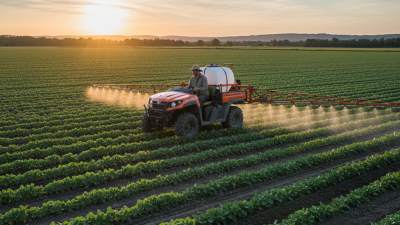
When it comes to effective agricultural practices, the choice of equipment can make a significant difference. One expert in the field, John Miller, a veteran agronomist, states, “A UTV sprayer is not just a tool; it’s a game changer for farmers.” The UTV sprayer offers versatility and efficiency that is hard to beat. It allows farmers to manage their fields with precision while saving time and resources.
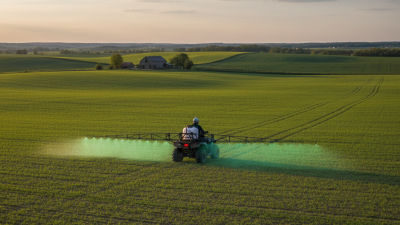
With the rise of modern agriculture, the importance of reliable equipment is apparent. UTV sprayers provide farmers with the capability to apply fertilizers and pesticides accurately. This targeted approach minimizes waste and ensures the crops get what they need to thrive. However, not all UTV sprayers are created equal. Farmers must carefully consider their options and reflect on their specific needs.
The UTV sprayer represents a balance between innovation and practicality. It integrates advanced technology while remaining user-friendly. Farmers often encounter challenges in the field, making this equipment crucial. In a rapidly changing agricultural landscape, reflecting on the right tools empowers better decision-making. Choosing the right UTV sprayer can lead to higher yields and a more sustainable farming practice.
Benefits of UTV Sprayers for Modern Agriculture
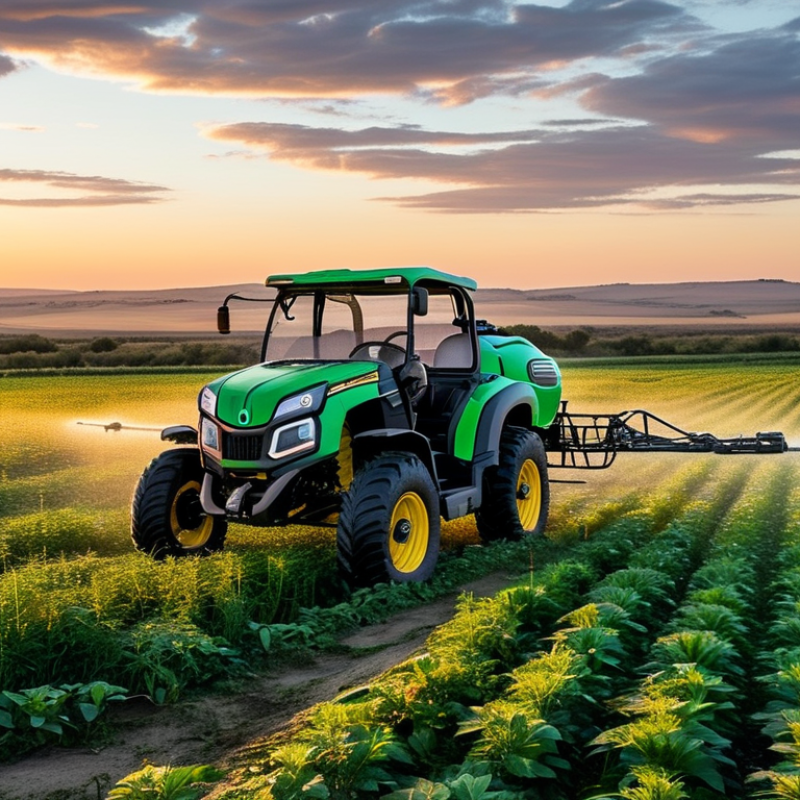
UTV sprayers are becoming essential tools in modern agriculture. These sprayers provide several benefits that improve efficiency and yield. Research indicates that UTVs can cover up to 30 acres per hour, significantly speeding up the application process compared to traditional methods. This efficiency is crucial, especially during peak seasons when time is limited.
Using UTV sprayers enhances precision in applying fertilizers and pesticides. Reports show that precision spraying can reduce chemical use by as much as 20%. This reduction not only saves costs but also minimizes environmental impact. UTVs also allow for better access to uneven terrains, making them versatile for various farming conditions. However, these sprayers require proper maintenance and calibration to ensure optimal performance. Neglecting regular checks can lead to uneven application, which may impact crop health.
Tip: Regularly calibrate your sprayer before each use. This practice ensures that the correct amount of chemicals is applied, preventing waste and keeping crops healthy. Additionally, consider training staff on proper usage and maintenance to maximize the sprayer's potential. In the long run, investing time in education can lead to better results on the farm.
Key Features to Look for in a UTV Sprayer
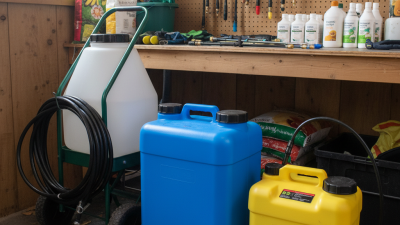
When choosing a UTV sprayer for agricultural needs, specific features are crucial. The spraying capacity is essential. Look for models with adjustable spray patterns. This flexibility allows for efficient coverage of different crops. Tank size is another vital factor. A larger tank reduces downtime, enabling you to cover more land without constant refilling.
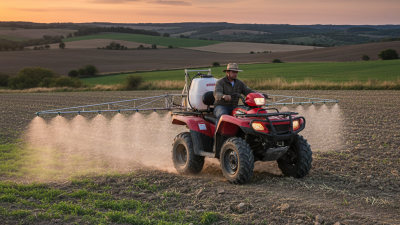
Consider the stability of the sprayer. A well-balanced unit can handle uneven terrain. Additionally, easy maneuverability is key for navigating tight spaces in fields. Pay attention to the quality of the nozzle system. A good nozzle ensures better distribution of chemicals, leading to effective pest and weed control.
Inspecting the durability of materials used in construction is important. Many UTV sprayers face harsh conditions. Using high-quality materials can prolong the sprayer's lifespan. It's also worth reflecting on whether the sprayer can be easily maintained. Regular maintenance is vital for optimal performance and safety. Lastly, user reviews can provide insight into reliability. Look for feedback from real users to make an informed choice.
UTV Sprayer Features Comparison
Comparing UTV Sprayers and Traditional Spraying Methods
When comparing UTV sprayers with traditional spraying methods, several factors come into play. UTV sprayers offer enhanced mobility, navigating uneven terrain with ease. This is particularly beneficial for large agricultural operations. Traditional methods often require manual labor, making the process labor-intensive and time-consuming. Using a UTV sprayer reduces fatigue and allows for quicker application of chemicals or fertilizers.
Traditional sprayers may provide a lower initial cost. However, they often lack efficiency and can waste resources. UTV sprayers have better control over the spraying pattern, minimizing overlap. This ensures that crops receive the right amount of treatment without waste. The precision they offer leads to more effective pest management and healthier plants.
Some may argue that UTV sprayers are too complex for small farms. Training is essential, but it requires time and effort. Farmers may hesitate to adopt new technology. Yet, the long-term benefits could outweigh these concerns. Efficiency gains can lead to cost savings over time. It’s worth considering how agricultural practices evolve and the role of technology in enhancing productivity.
Cost-Effectiveness of UTV Sprayers in Agricultural Operations
UTV sprayers are revolutionizing agricultural operations, particularly in cost-effectiveness. Farmers can cover vast areas quickly. This efficiency translates to lower labor costs, reducing the need for multiple machines. Operating a UTV sprayer also consumes less fuel than traditional methods. This key benefit positively impacts the overall budget.
Investments in UTV sprayers may seem high initially. However, their durability and versatility often lead to savings in the long run. They tackle various tasks beyond spraying, like transporting materials. This multi-functionality minimizes equipment expenses. Yet, not every farm may require this level of capability. It's crucial to analyze specific needs when considering such an investment.
The potential for reduced chemical usage is another aspect to ponder. UTV sprayers help apply pesticides and fertilizers more precisely. This precision can lead to better crop yields. Still, improper use might lead to over-application and increased costs. Training operators is essential. Without proper knowledge, the promise of savings may go unfulfilled. Understanding your operation’s needs is vital for making the right choice.
Best Practices for Using UTV Sprayers Efficiently
Using UTV sprayers can significantly improve your agricultural efficiency. They provide a versatile solution for applying fertilizers and pesticides. To maximize their effectiveness, you should adopt best practices. This ensures you are using these valuable tools efficiently and responsibly.
One tip is to calibrate your sprayer before each use. This step ensures accurate application rates. Inaccurate spraying can lead to oversaturation or insufficient coverage. Both situations are detrimental to crop health. Additionally, regularly inspect your equipment for clogs or leaks. Neglecting this can result in uneven distribution of chemicals and wasted resources.
Consider timing your applications carefully. Targeting early morning or late afternoon minimizes evaporation and maximizes absorption. Keep in mind that different conditions affect spray efficacy. Adjust your methods according to wind, temperature, and humidity levels. Each factor can impact your results and efficiency. Always document your applications and results. This practice will help you refine your approach over time.
Why Choose a UTV Sprayer for Your Agricultural Needs? - Best Practices for Using UTV Sprayers Efficiently
| Feature |
Description |
Benefit |
| Versatility |
Can handle various liquids including fertilizers and herbicides. |
Adaptable for different agricultural tasks. |
| Mobility |
Easily navigates through fields and difficult terrains. |
Saves time and effort in reaching various parts of the field. |
| Efficiency |
High-capacity tank and spray technology reduces application time. |
Increases productivity and reduces labor costs. |
| Precision |
Equipped with nozzle options for accurate spraying. |
Minimizes chemical waste and ensures effective application. |
| Ease of Use |
User-friendly controls and setup. |
Reduces training time for operators. |
| Cost-Effective |
Lower operational costs compared to traditional sprayers. |
Increases return on investment over time. |