2026 Best 40 Gallon Sprayer Tank?

Choosing the 2026 best 40 gallon sprayer tank is not just a matter of buying the largest container that fits. The right tank must match your sprayer frame, pump output, boom or wand, and typical application volume. A full tank also adds substantial weight, so check the equipment manufacturer’s load limits before buying. Small details matter: a wide fill opening, readable gallon markings, and a low drain can make mixing and cleanup less frustrating.

Professional guidance helps put capacity in context. The USDA National Agricultural Statistics Service’s 2022 Census of Agriculture documents farm operations and production practices, while the EPA’s Pesticide Industry Sales and Usage report provides a broader view of pesticide use. Neither report declares one tank size best. That distinction matters. The number of acres covered per fill depends on the product label rate, calibrated application rate, and field conditions—not tank capacity alone. Follow the product label, and verify your sprayer’s output before estimating coverage.

Fit matters, too. Measure the mounting space, check strap or cradle support, and confirm that the tank material suits the intended liquid. A 40-gallon tank can be practical for property maintenance, small farms, and compatible ATV or trailer setups, but it may still be too heavy when full. There is no universal winner. This guide compares useful features, fit, durability, and maintenance needs, while noting where product claims deserve a second look.
2026 Best 40 Gallon Sprayer Tank?

What Is a 40-Gallon Sprayer Tank and What Is It Used For?

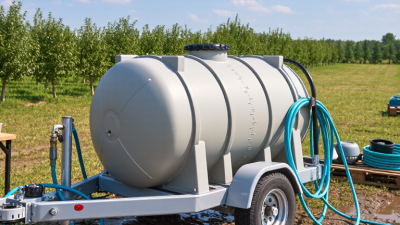
A 40-gallon sprayer tank is a reservoir that holds liquid for a pump-and-nozzle system. The liquid may be water, fertilizer, or a product approved for the intended application. The tank itself does not spray; a pump moves its contents through hoses to a wand, boom, or other applicator. Simple, but easy to overlook.

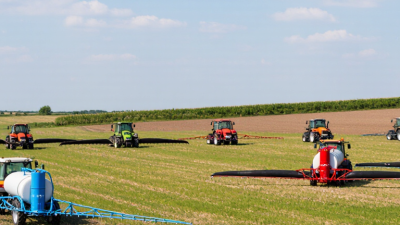
Forty gallons can serve gardens, small acreage, orchards, or pasture edges, depending on the equipment and application rate. It offers more capacity than a small handheld unit, while remaining manageable on some utility vehicles or trailers. Full, the water alone weighs about 334 pounds, so the frame, tie-downs, and vehicle load rating matter. That is substantial weight. A tank’s listed capacity may also exceed its practical fill volume, so check its markings and leave room for movement.

Before use, confirm that the tank material, seals, pump, and hoses suit the liquid being handled. Measure the application area and calibrate the nozzles; otherwise, a large tank can simply deliver too much. Watch for uneven spray, leaks, and clogged filters. Rinse the system as its instructions recommend, and store it securely between uses. One detail people sometimes miss: leftover liquid can settle or separate, so check whether gentle agitation is needed. A quick visual check helps, though it is not a substitute for proper calibration.

How a 40-Gallon Sprayer System Works

A 40-gallon sprayer system stores liquid in a tank, then moves it through a pump and hoses to the spray outlets. The tank’s nominal capacity does not always equal its usable volume; space may be needed to reduce sloshing or allow mixing. A suction strainer helps catch debris before it reaches the pump. Once running, the pump draws liquid from the tank and sends it through a regulator, which helps control operating pressure. A boom distributes spray across several nozzles, while a hand wand directs it to a smaller area. That is the basic path.

Tips: Check the tank level and hose connections before starting. Use clean water to test for leaks and confirm the spray pattern. Keep the pump within its stated operating limits, and do not let it run dry. Measure the amount applied over a known area; pressure alone does not show whether coverage is even.

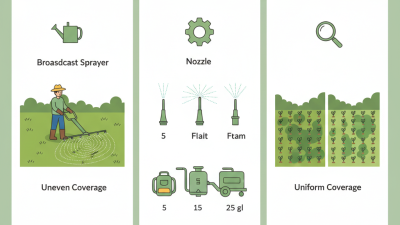
Nozzle size, travel speed, pressure, and liquid flow all affect application rate. For example, a partly clogged nozzle may leave a dry stripe, even when the gauge looks normal. Rinse the system after use, following its manual and the liquid label. I would not assume every 40-gallon setup behaves alike; pump capacity and plumbing vary, and calibration takes a little patience.

2026 Best 40 Gallon Sprayer Tank? - How a 40-Gallon Sprayer System Works
System Dimension Data or Working Principle What It Means in Practice
Nominal tank capacity 40 U.S. gallons, equal to approximately 151.4 liters Capacity describes the tank’s nominal volume. Check the tank’s fill markings and leave room for mixing and agitation rather than assuming every tank should be filled to the brim.
Liquid weight when full Water weighs about 8.34 lb per U.S. gallon; 40 gallons of water therefore weigh about 334 lb (151 kg), before adding the tank, frame, pump, and other equipment. Use the complete loaded weight when checking a vehicle, trailer, hitch, or mounting surface. The tank’s listed capacity is not the same as the equipment’s total operating weight.
Typical system components Tank, suction strainer, pump, pressure-control or bypass circuit, pressure gauge, hoses, spray boom or hand wand, and nozzles The pump moves liquid from the tank to the spray outlets. A bypass circuit can return some flow to the tank; the exact arrangement varies by system.
Flow and agitation Pump output must supply the combined demand of the selected nozzles and any return flow used for agitation. Choose and operate the pump according to the nozzle flow, working pressure, and equipment specifications. A pressure gauge helps monitor operating pressure but does not measure application rate by itself.
Application-rate example: 10 gal/acre 40 gal ÷ 10 gal/acre = 4 acres per full tank This is a theoretical estimate assuming all 40 gallons are usable and there is no leftover spray or line volume.
Application-rate example: 20 gal/acre 40 gal ÷ 20 gal/acre = 2 acres per full tank Higher application rates use more tank volume per acre, so the sprayer covers less area between refills.
Application-rate example: 40 gal/acre 40 gal ÷ 40 gal/acre = 1 acre per full tank These calculations illustrate liquid capacity only; actual coverage depends on the calibrated application rate and usable tank volume.
Nozzle calibration Application rate depends on nozzle output, operating pressure, travel speed, and spray width or nozzle spacing. Calibrate with the installed nozzles and normal operating setup. Do not rely on tank size alone to determine how much area a load will treat.
Mixing and filling Follow the product label’s mixing order, dilution instructions, and required personal protective equipment. Use clean water when appropriate, add materials as directed, and maintain agitation only when the product and sprayer instructions call for it.
Filtration and maintenance Strainers help limit debris entering the pump and spray outlets; filters and nozzles need inspection and cleaning. Follow the equipment manual for filter mesh, flushing, winterization, and chemical compatibility. Never clear a nozzle by blowing through it with your mouth.
Choosing a suitable 40-gallon setup Compare tank material and shape, mounting method, pump and pressure specifications, filtration, hose reach, boom width, and available replacement parts. The best configuration depends on the application, vehicle or mounting platform, required coverage, and the chemical label—not capacity alone.

Tank Materials, Shapes, and Mounting Options

For a 40-gallon sprayer tank, material choice affects weight, durability, and chemical compatibility. Rotomolded polyethylene is common because it resists corrosion and handles everyday bumps better than many rigid alternatives. Look for UV protection if the tank will sit outdoors, and confirm the material suits the spray solution you plan to use. Check the maker’s care guidance, too. Sunlight and chemical exposure can shorten service life.

Shape affects both visibility and stability. A low-profile tank can keep weight closer to the vehicle frame, while a tall, narrow tank may fit a tighter space. Internal baffles help limit liquid movement during turns and stops. That matters. A full 40-gallon tank can weigh roughly 330 pounds with water alone, before adding the tank, pump, and hardware. Oddly, a tank that fits neatly in the garage may be awkward to fill or inspect.

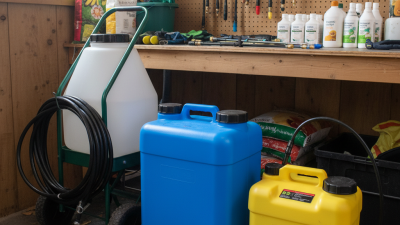
Mounting deserves careful measuring. Match the tank’s base and mounting points to a flat, supported platform, and use secure straps or appropriate fasteners without crushing the tank wall. Leave room to reach the drain, hose connections, and fill opening. On uneven ground, inspect the tank and mounts after the first few trips. A sturdy appearance is reassuring, but it is not a load test. Check the vehicle’s payload capacity before installation.

How to Choose the Best 40-Gallon Sprayer Tank in 2026

How to Choose the Best 40-Gallon Sprayer Tank in 2026

A 40-gallon sprayer tank can suit acreage work, larger gardens, and routine property maintenance. But capacity alone does not make a tank the right choice. Check the sprayer’s pump flow, frame rating, and vehicle or trailer payload before buying. Forty gallons of water weighs about 334 pounds, before adding the tank, pump, boom, or fittings. That load adds up quickly. Confirm the tank’s dimensions against your available mounting space, too.

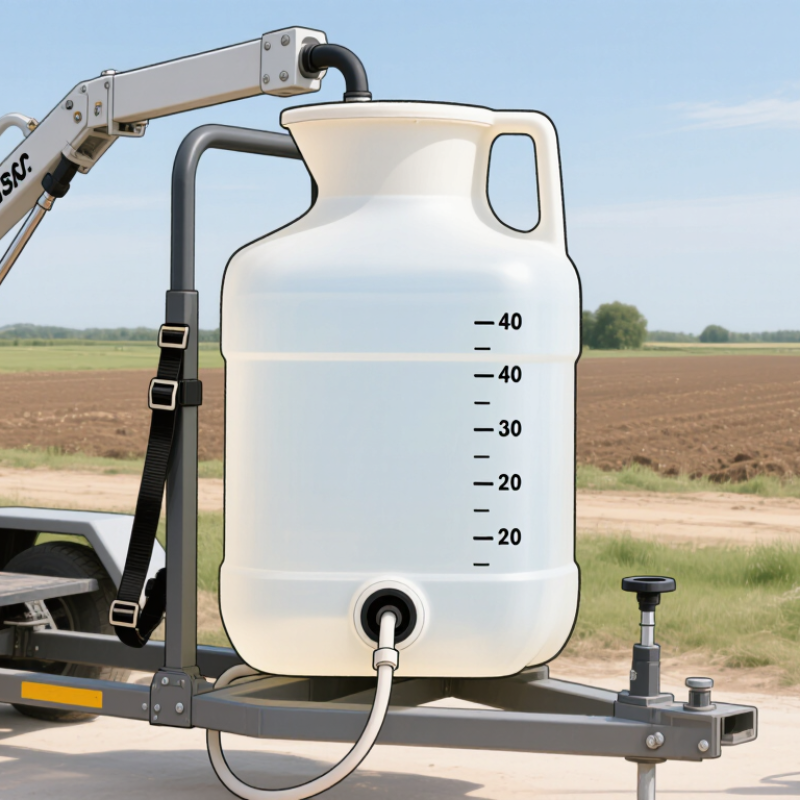
Look for UV-resistant polyethylene, a stable shape, and a wide fill opening that accepts a hose without splashing. A molded gallon scale helps with measuring, although markings may be hard to read in low light. Check that the drain sits low enough to limit leftover liquid, and that the outlet matches your hose and valve setup. Reinforced mounting points matter on rough ground. Still, even a sturdy tank can shift if its straps are poorly placed. I would not treat advertised durability as a substitute for inspecting the hardware.

Tips: Compare usable capacity, not just labeled volume. Follow the sprayer instructions for fill limits, and secure the tank before travel. Rinse it after use, then inspect seams, fittings, and straps for wear. A small leak can become a frustrating repair. Choose based on your pump and mounting setup, not the largest number on a product page.

Compatibility, Maintenance, and Safe Operation

A 40-gallon sprayer tank is useful only when its fittings, pump, and frame work as one system. Check the outlet size, hose diameter, and mounting footprint before filling it. A tank may hold 40 gallons, yet its safe working volume can be lower when room for liquid movement is considered. Keep the load centered and secure it against shifting. That detail matters.

Before each use, inspect seams, straps, valves, and the cap for cracks or residue. Rinse the tank and lines after spraying, using a cleaning method compatible with the tank material and intended liquid. A clear rinse does not always mean the system is clean. Store the tank dry and shaded, following its care instructions. A clogged screen can quietly reduce flow and cause uneven coverage. If pressure changes suddenly, stop and inspect the system; do not tighten fittings while it is pressurized.

Tips: Wear eye protection and gloves, keep bystanders clear, and test the spray pattern with clean water. Follow equipment instructions for liquid compatibility, pressure limits, and cleaning. A pre-use check can feel tedious, but skipping it is a poor trade.