2026 How to Choose the Best Battery Powered Sprayer?
In recent years, the demand for battery powered sprayers has surged significantly. According to a market study by IBISWorld, the battery-powered equipment segment is projected to grow by 8% annually through 2026. This growth reflects a shift towards more sustainable gardening and agricultural practices.
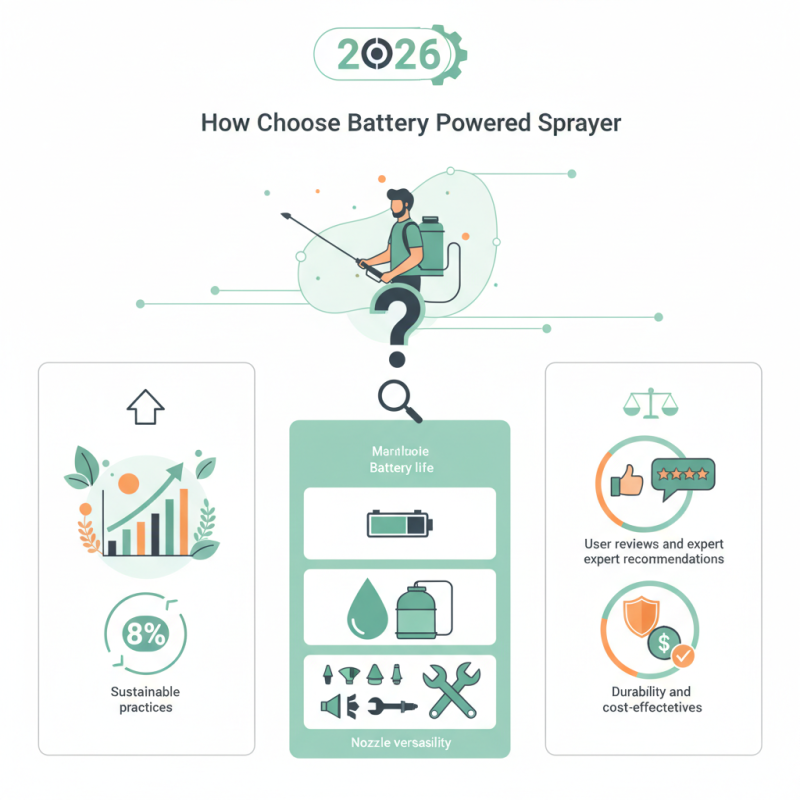
Choosing the right battery powered sprayer can be challenging. There are various models available, each with specific features that cater to different needs. Factors such as battery life, spray capacity, and nozzle versatility are crucial. A sprayer with a longer battery life allows for extended usage without interruption. However, many users overlook this and later face inconveniences.
Additionally, witnessing first-hand the difference in performance among brands can be eye-opening. Some may find a budget-friendly option failing to meet their expectations. It's essential to balance cost with durability and functionality. Always consider user reviews and expert recommendations to ensure you make an informed decision. Emphasizing these aspects truly elevates your ability to choose a reliable battery powered sprayer.
Understanding Battery Powered Sprayers: Key Features to Consider
When selecting a battery-powered sprayer, several key features stand out. The size of the tank is crucial.
Larger tanks reduce the need for frequent refills. According to industry reports, a 4-gallon tank can last up to an hour of continuous use, suitable for small to medium-sized areas.
Performance is another important factor. Look for sprayers with adjustable pressure settings. Studies show that models with variable pressure can improve coverage and efficiency by up to 30%. A battery-powered sprayer with a high PSI rating can enhance the application of liquids.
Weight and ergonomics also matter. Heavier sprayers can lead to fatigue during longer jobs. Aim for lightweight models that offer comfort. A well-balanced design can reduce strain, particularly for extended use. It's essential to test the feel of the sprayer before purchase. This hands-on experience can reveal shortcomings in balance and design that specs alone won’t show.
Types of Battery Powered Sprayers: Which One Suits Your Needs?
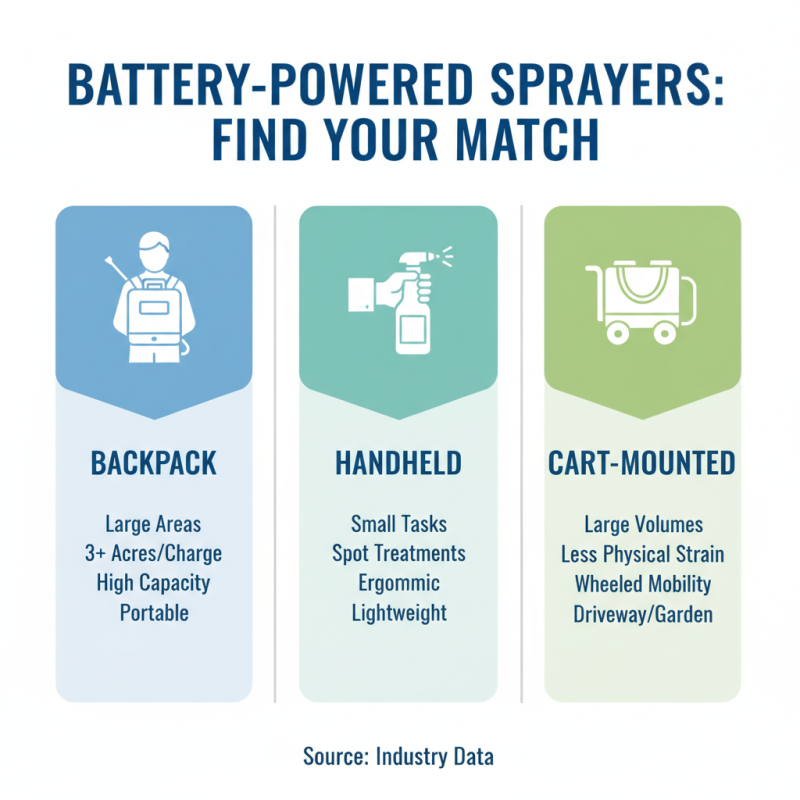
When considering the right battery-powered sprayer, it's crucial to evaluate the different types available. Battery-powered sprayers generally fall into three categories: backpack sprayers, handheld sprayers, and cart-mounted sprayers. Each type serves unique needs. For instance, backpack sprayers are ideal for larger areas due to their portability and capacity. According to industry data, they can cover up to three acres on a single charge, making them efficient for extensive tasks.
Handheld sprayers are perfect for small, intricate jobs. They are lightweight and easy to maneuver, often favored for home gardening. However, while they tackle small areas well, they may not be suitable for larger applications. Cart-mounted sprayers fit in between. They usually have larger tanks and can sustain longer usage but might be less portable.
It's essential to consider your specific needs and tasks before choosing. User reviews often point out that many sprayers, while efficient, sometimes lack sufficient battery life for extensive jobs. This inconsistency in performance can lead to frustration if not anticipated. Weighing the benefits and shortcomings of each type allows for a more informed decision tailored to your tasks.
Battery Life and Performance: How to Assess Sprayer Efficiency
When choosing a battery-powered sprayer, assessing battery life and performance is crucial. Research from the Agricultural Engineering Society reveals that an efficient sprayer should deliver consistent performance throughout its battery cycle. A typical battery for these sprayers lasts about 2 to 4 hours, depending on usage. It is essential to match this duration with the intended spraying tasks. The sprayer's efficiency directly impacts productivity.
Tips: Always monitor the sprayer's battery usage. Electric models may drain faster under heavy loads. Checking the battery's health before use can prevent interruptions.
Consider additional variables like voltage and flow rate. A higher voltage often results in a stronger spray but reduces battery life. Data from the International Journal of Agriculture shows that optimal flow rates for most tasks range from 0.5 to 1.5 gallons per minute. Finding a balance between performance and battery longevity is vital for high-quality work.
Mistakes often happen with dimensions and capacity. Some users underestimate the area a sprayer can cover on a single charge. Assessing real-world application scenarios can help avoid these pitfalls. Accurate assessments lead to better choices, enhancing overall efficiency.
2026 How to Choose the Best Battery Powered Sprayer? - Battery Life and Performance: How to Assess Sprayer Efficiency
| Model |
Battery Life (Hours) |
Performance (GPH) |
Weight (lbs) |
Water Tank Capacity (Gallons) |
| Model A |
3.5 |
0.8 |
12 |
2.0 |
| Model B |
4.0 |
1.0 |
10 |
2.5 |
| Model C |
2.5 |
0.6 |
15 |
1.5 |
| Model D |
5.0 |
1.2 |
11 |
3.0 |
| Model E |
4.5 |
0.9 |
14 |
2.8 |
Maintenance and Care Tips for Prolonging Sprayer Lifespan
Maintaining a battery-powered sprayer is crucial for longevity and performance. Regular care extends its lifespan significantly. According to industry reports, proper maintenance can improve efficiency by up to 30%.
Regularly check the battery levels. Ensure connections are clean and corrosion-free. If the sprayer isn't used for extended periods, store it with a full charge. This prevents battery degradation.
After every use, clean the nozzle and tank promptly. Residue buildup can clog the system. A simple rinse with water helps maintain functionality. Avoid leaving chemicals in the tank. They may cause damage over time.
To enhance performance, consider scheduling routine inspections. Look for wear and tear on hoses and seals. Small issues can lead to bigger problems. Don't ignore unusual noises or leaks. Early detection is vital. Keep a maintenance log to track repairs and performance. This practice creates accountability.
Cost vs. Value: Making an Informed Purchase Decision
When buying a battery-powered sprayer, consider the value it brings compared to its cost. A lower price might seem appealing at first. However, in the long run, cheap options can lead to higher maintenance costs. Value doesn't always mean the lowest price; it means balancing quality and functionality with your needs.
Investing more upfront can yield better performance. A powerful sprayer can cover large areas efficiently. It reduces the time spent on tasks, allowing you to focus on other projects. Think about the materials used in construction. Durable components can withstand wear and tear, impacting your overall satisfaction.
User feedback can guide your decision. Look for reviews that highlight long-term experiences. Functionality and ease of use matter greatly. It’s essential to find a sprayer that feels comfortable. If a product lacks clear instructions or support, it can lead to frustration. Think about how often you will use the sprayer. Sometimes, a heavy-duty model may be overkill for occasional tasks. Balancing your immediate needs with potential future requirements is vital.
2026 Battery Powered Sprayer Cost vs. Value Analysis