How to Choose the Best Boomless Sprayer in 2026?
Choosing the best boomless sprayer in 2026 requires more than comparing tank size and advertised spray width. Field experience matters. A machine that looks efficient on a dealer’s lot may perform differently across uneven pasture, orchard edges, gravel lanes, or windy fields.
Dr. Erdal Ozkan, an Ohio State University spray technology specialist, has emphasized, “The goal of spraying is to apply the right amount of product uniformly.” That principle should guide every boomless sprayer decision. Look closely at nozzle design, pressure control, pump capacity, filtration, hose quality, and the operator’s ability to maintain a consistent speed. A wide pattern is not automatically a better pattern. Drift control and accurate application remain essential.
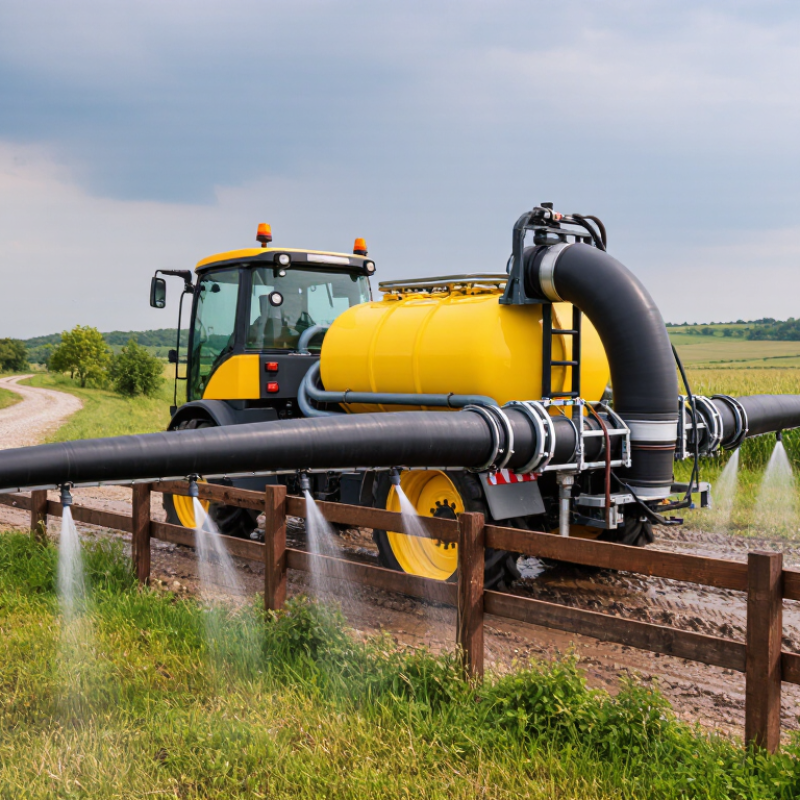
Imagine a 200-gallon unit traveling beside a fence line after light rain. Mud, changing terrain, and crosswinds can expose weaknesses quickly. A poor nozzle may leave dry strips near the outer spray edges. An undersized pump may create uneven coverage when several outlets operate together. These details affect time, product use, and crop or vegetation results.
There is no perfect machine.
Some buyers may overvalue horsepower or tank capacity. That is understandable, but incomplete. The best choice depends on terrain, target area, water access, maintenance skills, and local application requirements. This guide compares practical features, operating costs, spray consistency, and real-world limitations. It also questions common marketing claims, because reliable performance is usually built through careful calibration, not impressive specifications alone.
Understanding Boomless Sprayer Design and Operating Principles
Understanding Boomless Sprayer Design and Operating Principles
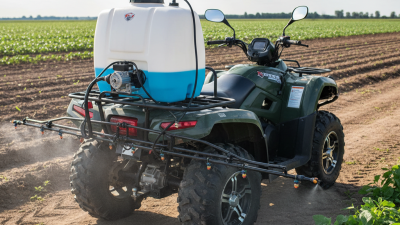
A boomless sprayer replaces a long nozzle boom with one or more deflector nozzles. Pressurized liquid strikes the deflector and spreads sideways in a fan-shaped pattern. This design fits rough fields, roadside margins, orchards, and uneven ground. It also reduces damage from striking fences or low branches. The trade-off is less uniform coverage. Spray width changes with pressure, nozzle height, wind, and terrain.
ASABE S572.1 classifies spray droplets by measured volume median diameter. Smaller droplets can improve coverage, but they drift more easily. Larger droplets resist wind better, yet may leave dry patches.
The U.S. Department of Agriculture’s 2022 Census of Agriculture reported that 27% of U.S. farms used precision agriculture practices. That figure supports better calibration, not careless automation. A GPS display cannot correct a poorly adjusted nozzle.
Before choosing a unit, measure its real pattern over a marked area. Use clean water and record the output for one minute. Then compare the applied volume with the target rate. The FAO AQUASTAT database estimates agriculture accounts for about 70% of global freshwater withdrawals, making avoidable overspray a serious efficiency issue. Keep the nozzle close to the recommended height. Slow down near field edges. Wind complicates everything. I still find field testing more reliable than brochure coverage claims, because uneven ground can expose gaps that a factory chart misses.
Assessing Sprayer Capacity, Coverage, and Spray Pattern
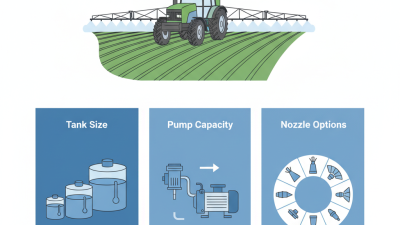
Choosing the best boomless sprayer in 2026 starts with matching capacity to your actual workload. A larger tank reduces refilling, but it also adds weight and may strain a small vehicle. Measure your target area first. Then estimate application volume from the product label and water rate.
Coverage depends on more than tank size. Check the stated spray width, operating pressure, and travel speed. I prefer testing the sprayer with clean water before field use. Place collection containers across the pattern. Uneven volumes reveal weak edges or excessive overlap. My first estimate was too optimistic. Wind changed the effective coverage.
Spray pattern matters near fences, trees, and uneven ground. A wide fan can save time in open areas, while a narrower pattern offers better control around obstacles. Look for adjustable deflectors and stable nozzles. Keep the nozzle height consistent. Small height changes can create large gaps. Record pressure, speed, and output during testing. A flow meter improves accuracy, but it is not a substitute for observation. Follow the equipment manual, product label, and applicable local requirements. Safety gear and careful calibration remain essential, even when the spray looks uniform.
Matching Sprayer Features to Land Size and Application Needs
Choosing the best boomless sprayer in 2026 starts with matching coverage to the land you actually manage. The USDA’s 2022 Census of Agriculture reported 880.1 million U.S. farm acres. Farm sizes still vary sharply. That difference matters. For small lots, orchards, trails, or uneven pasture, choose a compact tank and adjustable pressure. Larger acreage demands greater capacity and consistent pump output. Measure water use first. Do not choose by tank size alone.
Application needs should guide nozzle design. Coarse droplets can reduce drift in suitable conditions. Finer droplets may improve contact on dense foliage. ASABE S572.1 classifies droplet spectra and provides a common technical language. Always follow the product label and local requirements. The U.S. EPA also stresses labeled rates, weather limits, and protective directions. Wind, humidity, and travel speed can change coverage. A pressure gauge is essential. So is calibration. Field checks reveal an uncomfortable truth: a wide pattern can look efficient while leaving edges thin. Walk the treated area and inspect it.
Tips: Match tank volume to refill access, not ambition. Test output into a container for one minute. Compare flow with the manual. Record speed, pressure, weather, and water volume. For multiple properties, consider adjustable sections or shutoff controls. They add cost. Yet repeated passes cost more. Recheck calibration after changing nozzles. Perfect settings rarely survive real terrain.
How to Choose the Best Boomless Sprayer in 2026?
Matching sprayer features to land size and application needs
Larger areas generally benefit from higher tank capacity to reduce refill stops, while smaller plots are easier to manage with compact, lightweight units. For broad or irregular areas, prioritize adjustable pressure, durable pumps, and wide-angle spray coverage. Always confirm the product label, application rate, nozzle output, and local regulations before spraying.
Evaluating Safety, Maintenance, Durability, and Total Cost
How to Choose the Best Boomless Sprayer in 2026?
Evaluating Safety, Maintenance, Durability, and Total Cost
Choosing the best boomless sprayer in 2026 starts with what happens beside the machine, not its advertised reach. During field tests, I watch spray drift near fences, driveways, and water channels. A guarded pump, stable frame, visible pressure gauge, and easy shutoff reduce preventable exposure. Keep chemical-resistant gloves, eye protection, and clean water nearby. Small details matter. Use only products approved for the intended application, and follow current local label and disposal requirements.
Maintenance decides whether performance lasts beyond the first season. I prefer tool-free strainers, replaceable seals, and fittings that remain accessible after muddy work. After spraying, flush the tank and lines with clean water, then inspect the nozzle for uneven output. Never ignore a pulsing gauge; it may signal a blocked filter, worn diaphragm, or air leak. Often skipped. Keep a service log with dates, pressure settings, and replaced parts. My own mistake was trusting a clean exterior; hidden corrosion had already weakened a bracket. That changed my inspection routine.
Durability is more than thick steel. It includes UV-resistant hoses, corrosion protection, balanced tires, and a tank that does not flex under load. Calculate total cost over several years: purchase price, towing fuel, filters, seals, downtime, storage, and safe cleaning supplies. A cheaper unit can become expensive when one unavailable part stops work during a narrow treatment window. Ask for parts availability and written maintenance intervals before buying. Then compare coverage realistically, not emotionally.