How to Choose the Best Battery Garden Sprayer for Your Needs?
When it comes to maintaining a beautiful garden, selecting the right tools is essential. One crucial tool is the battery garden sprayer. As noted by gardening expert John Green, "A good battery garden sprayer is not just a convenience; it can save you time and effort." This makes understanding your needs vital before making a purchase.
Battery garden sprayers come in various sizes and capacities, tailored for different tasks. They can help with everything from fertilizing plants to pest control. Many users struggle to determine which model best suits their gardens. Features like battery life, tank size, and spray pressure can influence your decision. It's important to reflect on your gardening habits and specific needs.
Moreover, not all models are created equal. Some may promise efficiency but fail in practical use. Researching user reviews and seeking expert advice can help you avoid unsuitable choices. The right battery garden sprayer will enhance your gardening experience, making it enjoyable and productive.
Understanding Battery Garden Sprayers: Types and Features
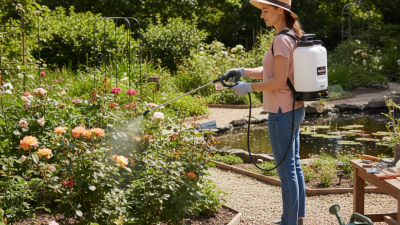
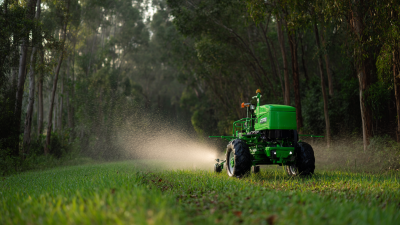
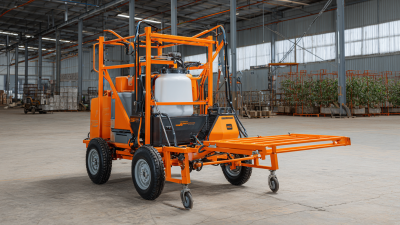
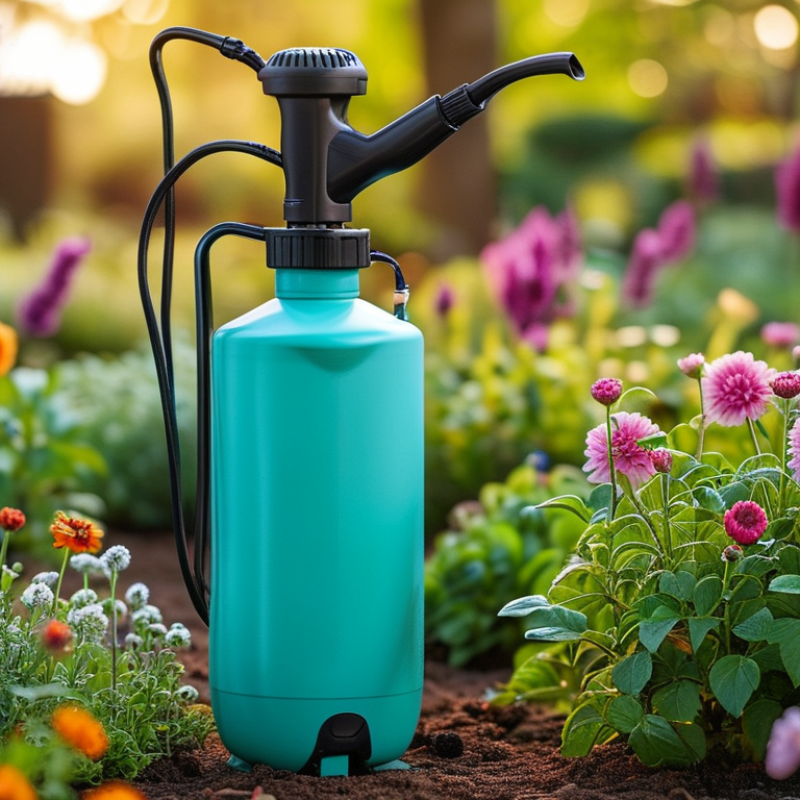
When choosing a battery garden sprayer, understanding the different types and features is essential. Battery sprayers often come in various designs, such as backpack, handheld, or wheeled models. Backpack sprayers allow for hands-free operation, making them suitable for larger areas. Handheld sprayers are typically more portable and user-friendly for smaller tasks. Wheeled models may offer greater stability, especially when dealing with heavy liquids. Each type has its own benefits, depending on your specific needs.
Battery capacity is a critical feature to consider. A larger battery can provide extended use, but it's important to balance weight and mobility. Some sprayers have built-in indicators that show battery levels. This can help prevent unwanted interruptions during use. Additionally, look for adjustable pressure settings. This feature allows you to tailor the spray to different plants or surfaces.
Another aspect to reflect on is the tank size. A larger tank means less frequent refilling, yet it can add weight. Some users may prefer lighter models for ease of handling. Consequently, you might find that what works for one garden setup may not necessarily suit another. Always think about your specific gardening tasks and the landscape you'll be dealing with. These considerations can significantly impact your overall satisfaction with the sprayer you choose.
How to Choose the Best Battery Garden Sprayer for Your Needs?
| Type |
Tank Capacity (Gallons) |
Battery Life (Hours) |
Weight (lbs) |
Spray Range (Feet) |
Price ($) |
| Backpack Sprayer |
4 |
3 |
10 |
30 |
150 |
| Handheld Sprayer |
1 |
2 |
5 |
20 |
100 |
| Wheeled Sprayer |
15 |
5 |
25 |
40 |
300 |
| Professional Sprayer |
10 |
6 |
15 |
35 |
250 |
Evaluating Battery Life and Power for Effective Spraying
When selecting a battery garden sprayer, understanding battery life and power is crucial. A robust battery ensures that the sprayer can effectively cover large areas without frequent recharges. Look for models that offer at least one hour of continuous spraying, as this often meets the needs of most gardening tasks. Battery voltage can also indicate power levels; higher voltage generally translates to more efficient spray patterns.
However, don’t overlook the aspect of recharge time. A model that takes too long to recharge might disrupt your gardening schedule. Check user reviews for insights on real-world battery performance. Some users might mention issues with battery longevity after several uses. If you notice consistency in complaints, it may warrant further consideration.
Don’t forget to consider weight. Heavier batteries can make sprayers cumbersome during extended use. Balance power with manageable weight to maintain comfort while spraying. Evaluating these factors thoroughly helps ensure you choose a sprayer that matches your gardening needs effectively.
Assessing Tank Capacity and Spraying Range for Your Needs
When selecting a battery garden sprayer, it's crucial to consider tank capacity and spraying range. A sprayer with a larger tank can hold more liquid, reducing the number of refills needed. For extensive gardens or larger tasks, a tank that holds at least 4 gallons might be ideal. However, heavier tanks can be cumbersome. Smaller tanks are lighter and easier to maneuver, but they require more frequent refilling.
Similarly, the spraying range directly impacts your efficiency. If your garden is expansive or has varying plant heights, a sprayer with adjustable nozzles is beneficial. It allows you to control the spray pattern and distance. A range of 15 to 20 feet is generally effective for most gardens. However, consider your comfort level with the weight and operation of the device. Some users find that a sprayer with less range is easier to handle in tighter spaces.
Ultimately, it's about balancing capacity and range to suit your specific needs. Think about your garden's size and layout before making a decision. Reflecting on what works best for you may lead to a more enjoyable gardening experience.
Identifying Key Features: Nozzles, Adjustability, and Ease of Use
When selecting a battery garden sprayer, key features significantly impact your experience. Nozzles play a crucial role in achieving effective application. Various nozzle types allow for different spray patterns, from a fine mist to a concentrated stream. According to industry reports, sprayers with adjustable nozzles increase versatility. Users can switch between tasks like watering delicate seedlings and treating larger vegetation. This flexibility can enhance both efficiency and results.
Adjustability is another vital aspect. Many models now include features that allow the user to modify the spray width and pressure. This can be particularly beneficial when dealing with diverse plant types and sizes. Research shows that adjustable settings lead to 40% more efficient use of water and chemicals. Users often report dissatisfaction with fixed-spray models due to limited functionality.
Ease of use cannot be overlooked. Lightweight designs and ergonomic grips make a significant difference. Gardening tasks can be exhausting, and having a sprayer that is easy to maneuver can alleviate strain. However, some users have noted that a complex setup can lead to frustration. A balance between functionality and simplicity is essential for a positive experience. Ensuring you choose a model that fits your specific needs and physical comfort will lead to better maintenance of your garden.
Budget Considerations: Finding the Best Sprayer within Your Price Range
When selecting a battery garden sprayer, budget considerations are paramount. Research indicates that homeowners often set aside $50 to $300 for sprayers. A study by the American Society of Agricultural and Biological Engineers reveals that high-quality sprayers can last five years with proper care. Investing wisely in a durable sprayer may save you money over time.
One crucial factor is the capacity of the sprayer. Many homeowners find that a tank size between 2 and 4 gallons suits average garden needs. A smaller tank makes handling easier but may require frequent refills. Balance between capacity and weight is key. A heavier sprayer can become cumbersome, limiting its usability and efficiency.
Look for features that enhance usability. Adjustable nozzles can save time and provide versatile spray patterns. A comfortable grip reduces fatigue during longer tasks. While it may be tempting to choose the least expensive option, consider long-term costs. Cheaper models may require more repairs or replacements than their pricier counterparts. Prioritize both performance and affordability for a satisfactory purchase.