How to Choose the Best Trailer Sprayer for Your Needs?
Choosing the best trailer sprayer can be a challenging task. With the market full of options, making the right decision requires careful consideration. You need to assess your unique needs, whether for agriculture, landscaping, or pest control.
Understand the various features available in trailer sprayers. Some come with specialized nozzles for precision. Others may offer larger tanks for extended use, which might suit your needs better. Being aware of the flow rate is crucial, as it affects efficiency.
It’s easy to overlook maintenance aspects. Regular upkeep ensures your sprayer functions optimally. Research and reviews can provide insights, yet personal experience often reveals critical details. Do not rush; reflecting on your specific requirements will lead to the best choice.
Understanding the Different Types of Trailer Sprayers Available in the Market
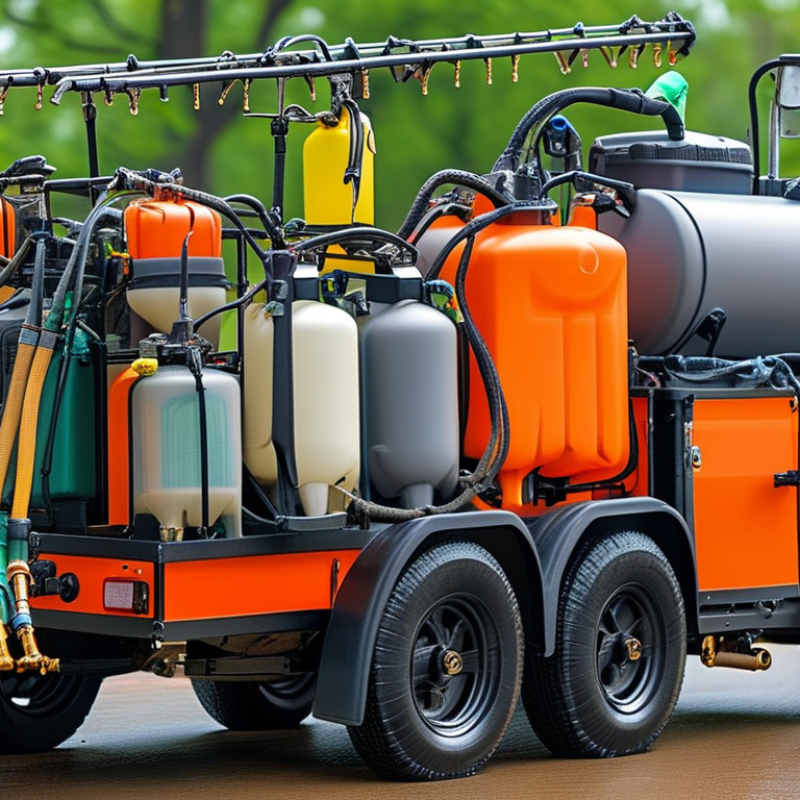
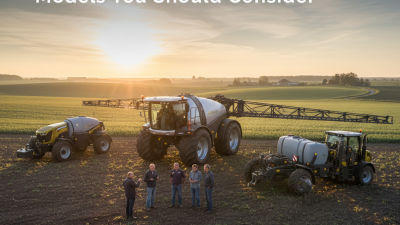
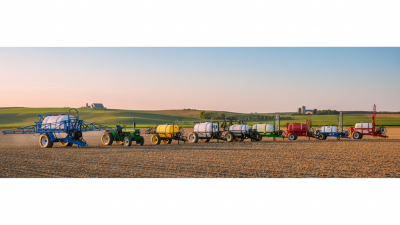
When choosing a trailer sprayer, understanding the available types is crucial. There are several categories to consider, including tow-behind, skid sprayers, and all-terrain models. Each type serves specific functions. Tow-behind models attach easily to tractors or trucks. They are ideal for large agricultural fields. On the other hand, skid sprayers are compact, fitting into the back of utility trucks. They provide mobility, making them great for urban landscaping jobs.
All-terrain trailer sprayers offer versatility. They work well on various terrains, adapting to different landscape challenges. However, these models can be pricier than others. It's essential to evaluate your budget against your needs. Some may find that smaller models are more suitable for their tasks. Bigger isn’t always better.
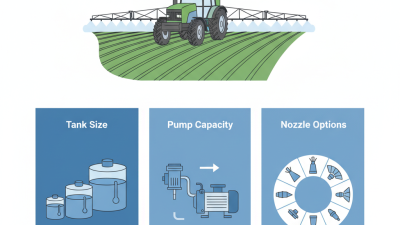
Consider the tank size, pump capacity, and spray options. Does it come with adjustable nozzles? This can enhance efficiency. Always think about maintenance and replacement parts. Some sprayers are easier to service than others. Reflect on how often you will use the sprayer. A heavy-duty option may not be necessary for occasional use. Balancing features with your actual requirements can prevent overspending.
Comparison of Different Types of Trailer Sprayers
Key Features to Consider When Selecting a Trailer Sprayer for Your Needs
When selecting a trailer sprayer, it's crucial to consider its tank capacity. The size largely determines how long you can spray without refilling. Choose a sprayer that meets your needs for your application duration. If your tasks are extensive, opt for a larger tank. This can save time and increase efficiency during operations.
Another important feature is the pump type. There are diaphragm and centrifugal pumps available. Diaphragm pumps are excellent for handling thick liquids while centrifugal pumps work better for lighter solutions. Understanding the specific requirements of your spraying tasks will help you choose the right type. For instance, if you're dealing with fertilizers, a diaphragm pump could be more effective.
Adjustability is also key. A sprayer with adjustable pressure and nozzles allows you to customize the output. This flexibility is essential for different crops and conditions. Think about your usual spraying needs. Are you spraying wide areas or focusing on specific plants? Having features that adapt to your tasks can boost your productivity. In the end, reflect on your regular tasks and preferences to make the best choice for your spraying needs.
Evaluating Tank Size and Capacity: Choosing the Right Volume for Your Tasks
Choosing the right tank size for your trailer sprayer is essential for effective application. A report by the American Society of Agricultural and Biological Engineers indicates that sprayer efficiency significantly depends on tank capacity relative to field size. A smaller tank may require frequent refills, interrupting workflow. Larger tanks can reduce this downtime but may add weight and impact maneuverability.
When assessing tank capacity, consider the areas you need to cover. For small residential tasks, a tank around 50 gallons may suffice. For larger applications, tanks can range from 200 to 600 gallons. However, exceeding your vehicle's towing capacity can compromise both safety and performance. Review weight distribution carefully.
Managing your tank size can directly influence your operational costs. Larger tanks can lead to over-application of chemicals if not calibrated correctly. A balance is crucial; buying too much sprayer often results in underutilized capacity. Conversely, too little may mean wasted time.
Choose wisely to ensure that your equipment meets your specific needs. Always align tank size with intended tasks, considering both efficiency and safety in your selection.
Assessing Spray Technology: Choosing Between Boom, Nozzle, and Pressure Types
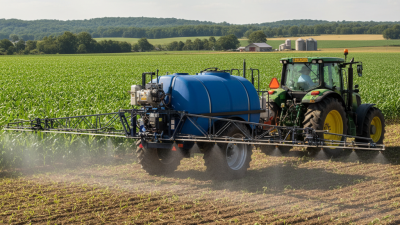
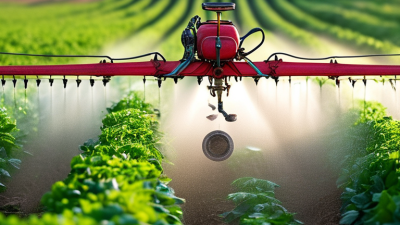
When selecting the right trailer sprayer, understanding spray technology is crucial. The choice between boom, nozzle, and pressure types directly impacts efficiency. Research indicates that boom sprayers are most effective for large fields. They can cover wide areas quickly, but they may struggle with uneven terrain. In contrast, nozzle sprayers provide targeted application. They allow for flexibility in various crops and more precise chemical use.
Evaluate your operational needs. If your farm has varied topography, consider a nozzle system. According to industry data, farmers reported a 15% increase in yield when using precision nozzle technology. This improvement stems from reduced chemical waste and better crop coverage. Meanwhile, high-pressure sprayers are essential for penetrating dense foliage. These systems require careful calibration to prevent over-spray. Regular testing of pressure settings can help maintain optimal performance.
Pay attention to your chosen sprayer's compatibility with your existing equipment. Sometimes, sprayers do not integrate well, leading to inefficiencies and maintenance challenges. Choosing the wrong type can result in costly mistakes. Reflect on your specific requirements, and assess if your current sprayer meets them consistently. It might be worth investing time in understanding the latest technologies and practices within the industry.
How to Choose the Best Trailer Sprayer for Your Needs? - Assessing Spray Technology: Choosing Between Boom, Nozzle, and Pressure Types
| Sprayer Type |
Advantages |
Disadvantages |
Best Use Cases |
| Boom Sprayer |
Covers large areas quickly, adjustable spray width |
Less effective on uneven terrain, requires careful calibration |
Large fields, uniform crop types |
| Nozzle Sprayer |
Versatile spray patterns, precise application |
Slower coverage, requires more operator skill |
Specialty crops, targeted applications |
| Pressure Sprayer |
Consistent pressure and flow, effective for small areas |
Labor-intensive, can be inefficient for large areas |
Gardens, landscapes, small farms |
| Electric Sprayer |
Environmentally friendly, quiet operation |
Limited battery life, may lack power for large jobs |
Small fields, residential applications |
| Handheld Sprayer |
Portable, easy to use for spot treatments |
Limited capacity, labor-intensive for larger areas |
Flower beds, gardens, patios |
Budget Considerations: Average Costs and ROI of Trailer Sprayers in Agriculture
Selecting the right trailer sprayer demands careful budget considerations. On average, agricultural trailer sprayers can range from $5,000 to $20,000 depending on size and features. An investment of this magnitude can yield a return on investment (ROI) of up to 20% annually, particularly when optimizing crop yields and reducing pesticide costs. A detailed cost analysis in agricultural reports reveals that well-maintained equipment results in lower operational costs and improved efficiency.
Consider the total cost of ownership. Beyond the initial purchase price, assess maintenance, fuel consumption, and repair expenses. A study from the American Society of Agricultural and Biological Engineers suggests that efficient sprayers help farmers reduce chemical waste by up to 30%. Sprayers that promote precision application not only conserve resources but also enhance crop safety.
When making your choice, prioritize reliability alongside cost. Seek sprayers with strong user reviews and proven performance in similar conditions. Understanding specific needs is essential. Local agricultural extension services or cooperative offices offer valuable insights tailored to regional crops and climate. Repeatedly evaluating performance can help identify areas for improvement, ensuring you maximize both productivity and profitability in your operations.