2026 How to Use Boomless Spray Nozzle Effectively?
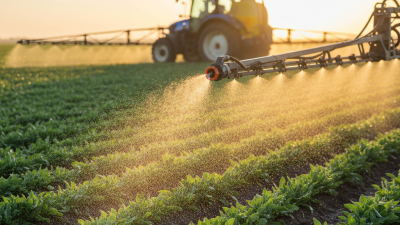
In the world of agricultural spraying, the use of a boomless spray nozzle has gained popularity for its efficiency and flexibility. Industry expert Dr. Samuel Green, a leading authority in crop spraying technology, emphasizes, "Boomless spray nozzles allow for greater maneuverability in tight spaces." This effectiveness makes them suitable for diverse applications.
Understanding how to maximize the performance of a boomless spray nozzle is essential. Many users struggle to achieve optimal spray patterns and coverage without a boom. This can lead to uneven distribution or excess chemical use. It's vital to consider the settings on your equipment and the specific nozzle type you are using.
Improper techniques can diminish the benefits of this innovative tool. Reflection on past mistakes is critical in improving future applications. Mastering your approach will enhance results, reduce waste, and promote healthier crops. Embracing the unique advantages of a boomless spray nozzle can transform your spraying practices.

Understanding Boomless Spray Nozzles: A Comprehensive Overview
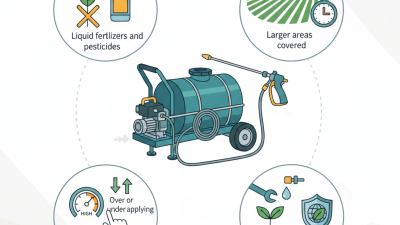
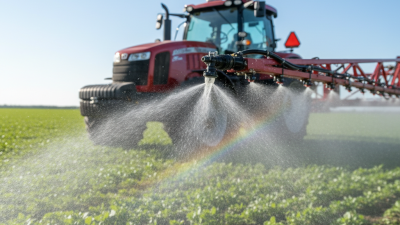
Boomless spray nozzles are gaining popularity in various applications due to their unique design. Unlike traditional sprayers, these nozzles lack a boom, allowing for greater versatility. Farmers and landscapers often use them for spraying in uneven or tight spaces. They provide an efficient way to apply pesticides, fertilizers, or other solutions, especially when navigating obstacles. However, proper usage is vital for achieving optimal results.
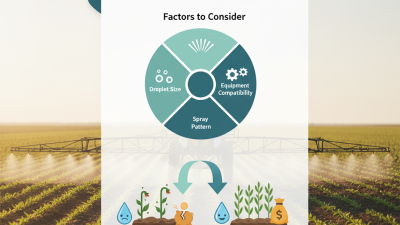
Understanding how to adjust the nozzle’s pressure and angle is essential. These factors influence droplet size and coverage. Larger droplets minimize drift but require more pressure. Smaller droplets provide better coverage but may drift further. Experimenting with different settings helps to identify the best configuration for specific tasks. Observing the spray patterns is key to ensuring even application, but this often requires trial and error.
Common challenges exist when using boomless nozzles. Users sometimes report streaks or uneven coverage. This can be due to improper setup or sudden weather changes. Regular maintenance and cleanings are essential to avoid clogs. Users should be vigilant about their equipment's performance and adjust as needed. Adopting a keen eye for detail can lead to improved efficiency and a more successful spraying experience.
Advantages of Boomless Spray Nozzles for Agriculture and Landscaping
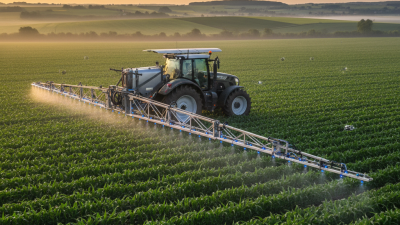
Boomless spray nozzles have gained popularity in agriculture and landscaping for several reasons. One significant advantage is their versatility. Unlike traditional boom systems, these nozzles can be used in tight spaces. Farmers can easily maneuver around crops and structures, reducing the risk of damage. This adaptability means that more areas can be covered efficiently.
Another benefit is the ability to produce a wide spray pattern. Boomless nozzles can cover larger areas with fewer passes. This feature not only saves time but also reduces the overall chemical usage. Farmers often find that this leads to lower costs, making it more economical. However, users should be cautious about drift. Wind can carry sprays away from the target area, diminishing effectiveness. Proper calibration and conditions are essential to maintain accuracy.
Furthermore, the maintenance of boomless nozzles can be less demanding. They typically have fewer moving parts, resulting in reduced wear and tear. Yet, they still require regular cleaning and checks. Neglecting these routines may lead to clogs or uneven flow. It’s vital to stay vigilant about maintenance to ensure the best results.
Essential Factors for Optimal Boomless Spraying Techniques
Boomless spray nozzles have become a popular choice for various agricultural and landscaping applications. To maximize their effectiveness, understanding a few key factors is essential. According to recent studies, improper use can lead to uneven coverage and waste of materials. This is where technique becomes critical.
When operating boomless nozzles, maintaining an appropriate spraying height is vital. Aim for a height of 18 to 24 inches above the target area. This measurement helps prevent drift and promotes uniform distribution. A report from the American Society of Agricultural and Biological Engineers suggests that nozzle orientation also plays a significant role in spray pattern consistency.
Tips: Regularly calibrate nozzles to ensure accurate flow rates. Ensure your equipment is cleaned and well-maintained.
Another crucial factor is the pressure setting. Operating at optimal pressure, typically between 30 to 50 PSI, can enhance droplet size and minimize drift. In many cases, farmers overlook this aspect. Ensuring that your pressure matches the nozzle's specifications will improve the overall efficiency of your spraying.
Tips: Check pressure gauges frequently while spraying. Adjustments may be necessary depending on wind conditions.
Calculating Application Rates and Coverage for Boomless Nozzles
When using boomless spray nozzles, understanding application rates and coverage is crucial. These nozzles, designed for diverse terrains, provide flexibility. However, precise calculations are essential for effective use. You must determine the spray width and nozzle output to achieve uniform coverage.
To calculate application rates, consider the speed of movement and the nozzle flow rate. Adjust the pressure to maintain a consistent spray pattern. It's important to test different settings. Sometimes, the spray may not reach all target areas. Factors like wind and terrain can affect coverage. Mapping your area can highlight spots needing more attention.
Reflecting on past applications can also be enlightening. Did you notice under-dispersion in certain zones? Did your calculations align with actual outcomes? Documenting these experiences allows for improvements. This process requires continuous learning about nozzle adjustments and environmental impact. Regularly revisiting your strategies can lead to better results with boomless nozzles.
2026 How to Use Boomless Spray Nozzle Effectively
This chart illustrates the application rates and coverage of different fluid types when using boomless spray nozzles. The data reflects optimal performance across various situations.
Maintenance Tips for Longevity and Efficiency of Boomless Sprayers
Maintaining boomless sprayers is essential for efficient operation and durability. Regularly inspect the nozzle for clogs. A small debris piece can cause uneven spray patterns. Clean the nozzle with water and a soft brush. This ensures consistent performance.
Check the seals and hoses for signs of wear. Even minor leaks can lead to wasted resources. Replace old or damaged components promptly. Using high-quality parts enhances the sprayer’s reliability. Don’t overlook the importance of calibrating your equipment regularly. Proper calibration allows for accurate applications, reducing overuse of chemicals.
Keep the sprayer clean after each use. Residues can degrade components over time. Use mild detergents and rinse thoroughly. Storing the sprayer in a cool, dry place prevents rust. Consideration of these maintenance practices can extend the lifespan of your boomless sprayer significantly. Regular attention pays off in the long run.