Why Choose a Foldable Sunroom for Your Outdoor Space?
A Foldable Sunroom can turn a neglected patio into a useful retreat within minutes. Its panels open for fresh air and close when rain arrives. Morning coffee feels different beneath a clear roof, especially when sunlight reaches the floor. This flexibility suits changing weather, limited gardens, and homes that need adaptable outdoor space. It also avoids the permanence of a conventional extension. Still, convenience should not replace careful planning.
Outdoor-living designer Alexandra Haynes explains, “The best outdoor room adapts to real life, not just perfect weather.” Her point matters. A Foldable Sunroom should support dining, reading, children’s play, or quiet evening use. Look for strong frames, reliable seals, smooth folding hardware, and materials suited to your local climate. A poorly fitted unit may rattle in wind or trap heat on summer afternoons. That weakness deserves attention.
Comfort depends on more than appearance.
Experienced homeowners should also inspect drainage, anchoring, ventilation, and cleaning access before purchasing. Measure the patio carefully, including furniture clearance and folding space. Shade screens may reduce glare, while removable panels can simplify seasonal maintenance. Energy performance varies widely between products, so product specifications deserve close comparison. No design solves every problem. A Foldable Sunroom may cost more than a basic canopy, yet it can provide greater year-round value when selected thoughtfully. The honest question is simple: will this space improve your daily routine, or merely look attractive in photographs?
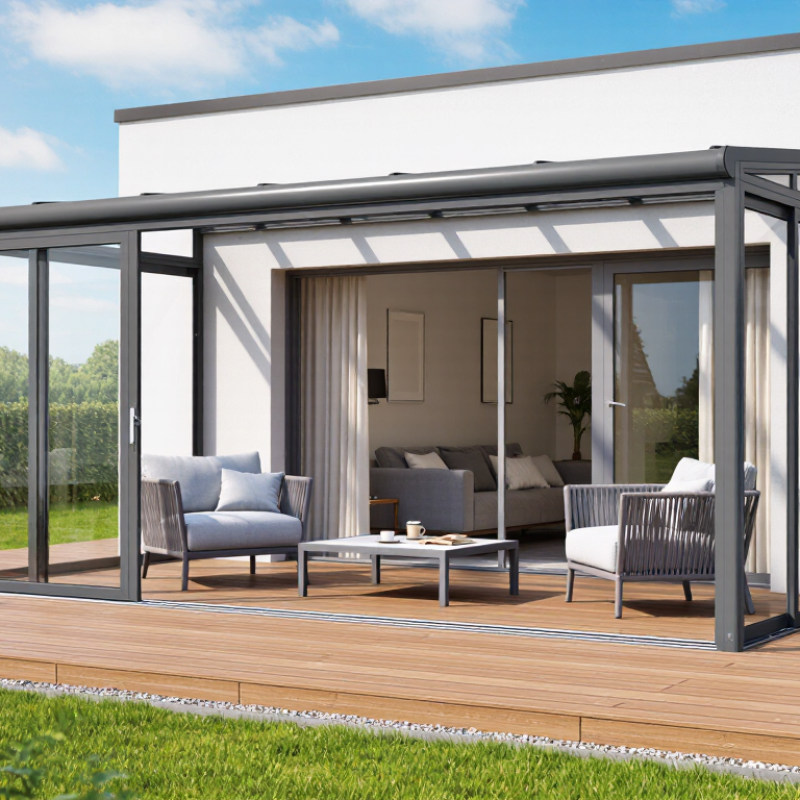
What Is a Foldable Sunroom?
A foldable sunroom is a lightweight outdoor structure with a collapsible frame, roof, and surrounding panels. It creates a sheltered sitting area without building a permanent room. Depending on the design, the walls may use clear panels, screened fabric, or weather-resistant curtains. When the weather changes, the structure can fold away or move into storage.
In practice, a foldable sunroom works well on patios, decks, and small gardens. It can soften sunlight, reduce light wind, and keep insects away during meals. However, it is not a complete replacement for a solid extension. Heavy rain, strong wind, or snow may exceed its design limits. Check the frame, seams, and anchors regularly. I have found that ventilation matters more than expected, especially on warm afternoons. A beautiful enclosure can quickly feel uncomfortable without airflow.
Tips: Choose a level surface before opening the structure. Secure every anchor, even on calm days. Measure your available space carefully. Leave room for doors, chairs, and safe movement. Check local building requirements before installation. Fold the sunroom only when it is clean and fully dry. Otherwise, trapped moisture may cause stains, odors, or material damage. A small mistake here can shorten its useful life.
Why Choose a Foldable Sunroom for Your Outdoor Space?
What Is a Foldable Sunroom?
A foldable sunroom is a flexible outdoor enclosure with a lightweight frame and transparent panels or screens. It can be opened, closed, or folded away as weather and daylight conditions change.
The chart shows approximate average daylight duration in London by month, based on typical sunrise and sunset patterns. A foldable sunroom helps extend comfortable outdoor use during changing seasonal daylight conditions while allowing the space to be opened when full outdoor access is preferred.
How a Foldable Sunroom Works
A foldable sunroom works through linked panels, hinges, and sliding tracks. When opened, the roof and wall sections extend into a sheltered outdoor room. When folded, they stack neatly against one side, leaving more space available. Some designs use manual handles, while larger structures may include assisted opening systems.
The frame transfers wind and roof loads toward anchored posts and the ground. Sealed joints help reduce drafts, while sloped roof panels guide rain toward a drainage channel. Ventilation remains important, especially on sunny afternoons. Without airflow, the room can become uncomfortably hot within minutes. In practical installations, careful alignment matters. A small track error can make folding difficult, and I would not ignore that warning sign.
Tips: Check the floor level before installation. Keep tracks free from grit and leaves. Inspect seals after harsh weather. Choose panels that match your local climate, and confirm anchoring requirements with a qualified installer. A foldable sunroom offers useful flexibility, but it is not maintenance-free. Its convenience depends on regular cleaning, secure fasteners, and sensible operation.
Key Benefits for Outdoor Living
Why Choose a Foldable Sunroom for Your Outdoor Space?
Key Benefits for Outdoor Living
A foldable sunroom can turn a patio into a practical living area. In my experience, it works well for morning coffee, reading, and small family meals. Clear panels bring in daylight while reducing direct exposure to strong sunlight. Adjustable windows also improve airflow when the afternoon becomes warm.
The main benefit is flexibility. You can open the structure on mild days and close it during light rain. Foldable sections make seasonal storage easier than permanent outdoor rooms. A stable frame, secure fasteners, and weighted bases are important for everyday safety. Place the sunroom on a level surface, away from sharp branches or standing water. Local building rules may also apply, especially for larger installations.
Comfort depends on more than appearance. Choose breathable materials, effective drainage, and openings that support cross-ventilation. Check seams and connections after heavy weather. Small gaps may invite insects or allow water inside. It is not completely maintenance-free. I once underestimated how quickly dust collected on transparent panels, especially near a garden. Cleaning them regularly improved visibility and kept the space brighter. Wind remains another limitation, so folding or securing the structure during severe weather is a sensible habit.
Materials, Designs, and Space Requirements
Why Choose a Foldable Sunroom for Your Outdoor Space?
A foldable sunroom adds sheltered outdoor living without permanently changing your property. In my experience, aluminum frames offer strength, light weight, and better resistance to moisture than untreated steel. Powder-coated surfaces also reduce routine maintenance. For panels, clear polycarbonate is practical because it handles impact better than ordinary glass. Glass feels more luxurious, but it adds weight and may require stronger supports. Insulated panels can improve comfort during cool mornings, although they usually increase the purchase cost.
Design should match your climate and daily habits. A retractable roof or folding wall can release heat during bright afternoons. Screen panels improve airflow while limiting insects. Look for secure hinges, smooth tracks, sealed joints, and adjustable feet. A 10-by-12-foot sunroom needs more than 120 square feet. Allow at least 24 inches around moving panels and access points. Check drainage, nearby trees, ground stability, and local building requirements before installation. A level concrete pad is usually more reliable than loose paving stones. Still, no design is perfect. Folding parts can wear faster when dirt collects in the tracks.
Tips: Measure the open and folded positions. Leave room for furniture movement. Test the frame after rain. Choose materials you can clean easily. I would also inspect fasteners twice each year, especially after strong winds. Small oversights matter. A beautiful structure becomes frustrating when its doors scrape, puddles form, or storage blocks the folding mechanism.
How to Choose and Maintain the Right Sunroom
A foldable sunroom can turn a patio into a bright, flexible living area. The right choice begins with your weather, available space, and daily habits. Measure the open area, including door clearance and folded storage space. For windy locations, choose a frame with secure anchoring and tested load information. A coated roof helps manage rain, while mesh panels improve airflow on warm afternoons. Do not judge quality by appearance alone. Check stitching, joint strength, fasteners, ventilation, and replacement-part availability.
During installation, keep the base level and leave a small drainage path around it. I once underestimated afternoon sun, and the interior became uncomfortable before lunch. Now, I recommend observing the site at different hours before selecting roof opacity. A transparent roof feels open, but shaded panels may protect furniture and skin better. Follow the supplied installation instructions carefully. Test the folding mechanism gently. Never force a stiff hinge.
Brush off leaves weekly, especially where the roof folds. Wash fabric with mild soap and clean water, because harsh chemicals can weaken protective coatings. Dry every panel fully before storage. Inspect anchors after storms, and tighten loose connections promptly. Look for rust, torn seams, cracked plastic, or pooling water. Keep a simple maintenance record with dates and observed changes. This habit sounds excessive, yet it reveals gradual wear early. If a panel remains difficult to fold, stop using it until the fault is assessed.
Why Choose a Foldable Sunroom for Your Outdoor Space? - How to Choose and Maintain the Right Sunroom
| Decision or Maintenance Factor | What to Look For | Practical Standard or Guidance | Recommended Action |
|---|---|---|---|
| Available outdoor space | A footprint that leaves safe clearance around the structure | Measure the usable area, including door swing, walkways, furniture, and drainage routes. | Confirm dimensions before purchase and keep entrances and emergency routes unobstructed. |
| Portability and storage | A collapsible frame, manageable packed size, and a protective storage bag | Choose a model that can be moved by the intended users without lifting beyond their safe capability. | Dry the fabric and frame completely before folding and store them in a cool, dry location. |
| Frame construction | Corrosion-resistant metal, secure joints, stable feet, and reinforced connection points | The frame should open evenly, lock securely, and remain stable on the intended surface. | Inspect joints, fasteners, and feet before every setup; tighten loose hardware promptly. |
| Fabric and weather protection | Water-resistant, UV-resistant fabric with sealed or reinforced seams | Water resistance helps with light rain but does not automatically make a temporary sunroom suitable for severe weather. | Follow the care label; do not use harsh bleach, abrasive brushes, or high-pressure cleaning. |
| Ventilation and comfort | Mesh windows, adjustable panels, screened openings, and roll-up sides | Cross-ventilation is important because enclosed fabric spaces can become hot and humid in direct sun. | Open screened panels when weather permits and close them during rain, dust, or strong wind. |
| Sun exposure | Roof and wall materials designed to reduce glare and limit ultraviolet exposure | Shade performance varies by fabric color, weave, coating, orientation, and surrounding trees or buildings. | Use natural shade or an approved canopy accessory and avoid placing heat-sensitive items inside. |
| Anchoring and surface | Anchors compatible with grass, soil, decking, concrete, or other installation surfaces | A temporary structure still needs anchoring; the correct method depends on the surface and local wind conditions. | Install all supplied anchors and remove the sunroom when severe weather is forecast. |
| Cleaning routine | A fabric that can be cleaned with mild soap and water | Routine cleaning helps remove dust, pollen, and organic residue that can encourage mildew. | Brush off loose dirt, spot-clean with mild soapy water, rinse thoroughly, and air-dry fully. |
| Moisture and mildew control | Good airflow, dry storage, and drainage around the base | Mildew risk increases when fabric is folded while damp or remains wet with poor ventilation. | Check after rain, remove standing water, and never pack the sunroom until every part is dry. |
| Seasonal inspection | Tears, stretched seams, bent frame parts, rust, damaged screens, and missing hardware | Small defects can worsen when the structure is repeatedly folded, opened, or exposed to wind. | Inspect before the first use, after severe weather, and before long-term storage. |
| Best use and limitations | A flexible shelter for relaxing, dining, reading, or entertaining in mild conditions | A foldable sunroom is generally a temporary outdoor shelter, not a permanent insulated building. | Use it within the manufacturer’s weather limits and never rely on it as protection during storms, heavy snow, or extreme wind. |