Essential Tips for Understanding Food Additives in Global Trade?
Understanding Food Additives is crucial in today's global trade. With the international food market growing, the role of food additives becomes more significant. According to the Food and Agriculture Organization, the global food additives market is projected to reach $250 billion by 2024. This rapid expansion raises questions about safety and regulation.
Dr. Emily Chen, a leading expert in food safety, emphasizes, "Food additives are essential for preservation, but they must be understood fully." This quote reflects the complexity of food additives in global trade, where transparency is often lacking. Consumers deserve clear information about what they are consuming.
As the market evolves, challenges remain. Mislabeling and varying regulations across countries can lead to confusion and distrust. A recent survey found that 35% of consumers do not trust the ingredients in food products. Addressing these concerns requires ongoing education and regulation. The need for reliable information on food additives is paramount in fostering consumer trust and ensuring safety in global trade.
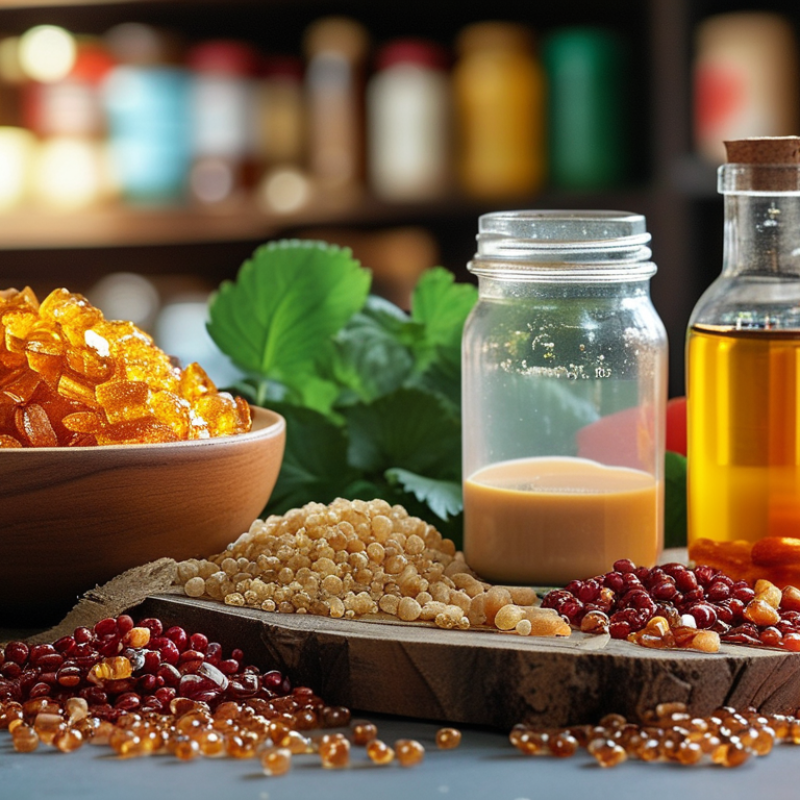
Understanding Food Additives: Definition and Purpose
Food additives play a crucial role in the global food trade. They help improve flavor, enhance shelf life, and ensure safety. Many people may not understand what these substances are or why they are used. In simple terms, food additives are ingredients added to food products for a specific purpose.
Some common types include preservatives, colorings, and stabilizers. For instance, preservatives prevent spoilage, while colorings enhance the appearance of food. These additives can make a product more appealing to consumers. However, the use of food additives is not without controversy. Some people express concerns about potential health risks. This raises questions about safety and regulation in different countries.
Understanding food additives requires an awareness of both their benefits and drawbacks. Consumers often face the challenge of deciphering ingredient labels. Not all additives are harmful; many are safe and necessary. Still, critical evaluation is needed to ensure the products we consume are healthy. Although these substances serve vital roles, it’s essential for consumers to stay informed.
Types of Food Additives Used in Global Trade
Food additives play a crucial role in global trade. They enhance flavor, preserve freshness, and improve appearance. Different countries use various additives based on cultural preferences and regulations. Understanding these differences is essential for businesses and consumers alike.
Common types include preservatives, colorants, and emulsifiers. Preservatives help extend shelf life, ensuring food remains safe during transit. Colorants enhance visual appeal, making products more attractive. Emulsifiers improve texture and stability, crucial for products like sauces and dressings. Yet, not all additives are universally accepted. Some are viewed with skepticism.
The impact of additives on health is a topic of ongoing debate. Some individuals may experience allergic reactions. Others may question their long-term effects. It’s vital to stay informed and scrutinize ingredient labels. Businesses must also consider consumer attitudes toward additives to navigate market demands effectively. Understanding food additives is essential in today's interconnected world.
Essential Tips for Understanding Food Additives in Global Trade
| Type of Food Additive | Common Use | Regulatory Status | Regions Commonly Used |
| Preservatives | Extend shelf life of products | Generally recognized as safe (GRAS) in many countries | North America, Europe, Asia |
| Color Additives | Enhance visual appeal | Approval required in food products | Worldwide, with specific regulations |
| Flavor Enhancers | Enhance or mimic flavor | Regulated by food safety authorities | Widely used globally |
| Emulsifiers | Aid in mixing oil and water | Permitted with specific usage limits | Common in Europe and Americas |
| Thickeners | Increase viscosity of products | Generally permitted in foods | Used in Asia, America, and Europe |
| Acidulants | Control pH and add sour taste | Regulated to ensure safety | Global use with various approvals |
Regulatory Framework for Food Additives Across Different Regions
The regulatory framework for food additives varies significantly across regions, impacting global trade. In the European Union, the European Food Safety Authority (EFSA) evaluates additives before market approval. In 2020, EFSA assessed 270 food additives, setting strict safety norms. These regulations ensure consumer safety by requiring comprehensive toxicity studies.
In Asia, countries like China have their own guidelines. The National Health Commission of China published the "GB 2760" standard, outlining permitted additives. Compliance with these regulations can be challenging for international businesses. Differences in standards can lead to rejection of products at borders.
The United States has a more flexible approach, relying on the Generally Recognized as Safe (GRAS) designation. This allows certain substances to bypass extensive testing, often raising concerns among consumers and experts. Data from the Institute of Food Technologists indicates that 45% of consumers worry about the safety of food additives. Understanding and navigating these varying regulations is crucial for success in global trade.
Impact of Food Additives on Health and Safety Standards
Food additives play a critical role in global trade, influencing both health and safety standards. According to the World Health Organization (WHO), approximately 3,000 additives are currently approved for use in food products worldwide. These additives serve various purposes, such as preserving freshness, enhancing flavors, and improving appearance. However, not all additives are created equal.
Research indicates that some food additives, like certain artificial colors and preservatives, may pose health risks. A study published in the Journal of Nutrition found a potential link between food dyes and hyperactivity in children. The FDA has also reported concerns over the safety of specific preservatives, necessitating stringent regulations. In contrast, naturally derived additives often present fewer health concerns, yet they can be more expensive and less stable.
Regulatory bodies, such as the Codex Alimentarius Commission, continuously assess these additives to ensure public safety. However, ongoing debates about the balance between consumer safety and industry profit margins remain. This dynamic landscape urges consumers and producers to stay informed and critical about ingredient labels. Awareness and understanding of food additives are essential to navigating global trade effectively.
Best Practices for Importers and Exporters of Food Additives
Understanding food additives is crucial for importers and exporters in global trade. These substances enhance flavor, appearance, and shelf life. Knowledge of regulations in different countries is essential. For instance, some additives approved in one country may be banned in another. This discrepancy can lead to costly mistakes.
One best practice is thorough research. Importers should study the chemical composition and safety evaluations of additives. Documentation must include certifications and ingredient lists. Always keep up with regulatory changes, as they can affect trade. Engage with local experts to ensure compliance. This builds trust and strengthens business relationships.
Communication is key. Maintain clear dialogue with suppliers and buyers. Share information about additive use and sourcing. Misunderstandings can lead to disputes and reputational harm. Establishing a transparent supply chain is beneficial. It not only enhances reliability but also fosters a commitment to quality. Reflect on these practices continuously to improve operations and maintain a strong market position.
Global Trade in Food Additives: Imports vs Exports
