The Ultimate Guide to Choosing the Best Trailer Sprayer?
Choosing the right trailer sprayer can seem daunting. According to John Smith, a renowned expert in agricultural equipment, "Selecting the best trailer sprayer can significantly impact your productivity." This statement holds true as choosing the right sprayer is crucial for efficient spraying operations.
When considering a trailer sprayer, think about size and capacity. A larger capacity sprayer may save time but can be cumbersome. Many users overlook weight distribution. Imbalanced sprayers can lead to handling issues on uneven terrain. It’s essential to match your sprayer to your specific tasks.
Finally, pay attention to pump quality. A reliable pump ensures consistent flow and efficacy. Skimping on this aspect may lead to frustrating downtime. Reflect on your needs carefully. The right trailer sprayer is about more than just price; it’s about efficiency and suitability for your work.
Understanding Trailer Sprayers: Types and Benefits
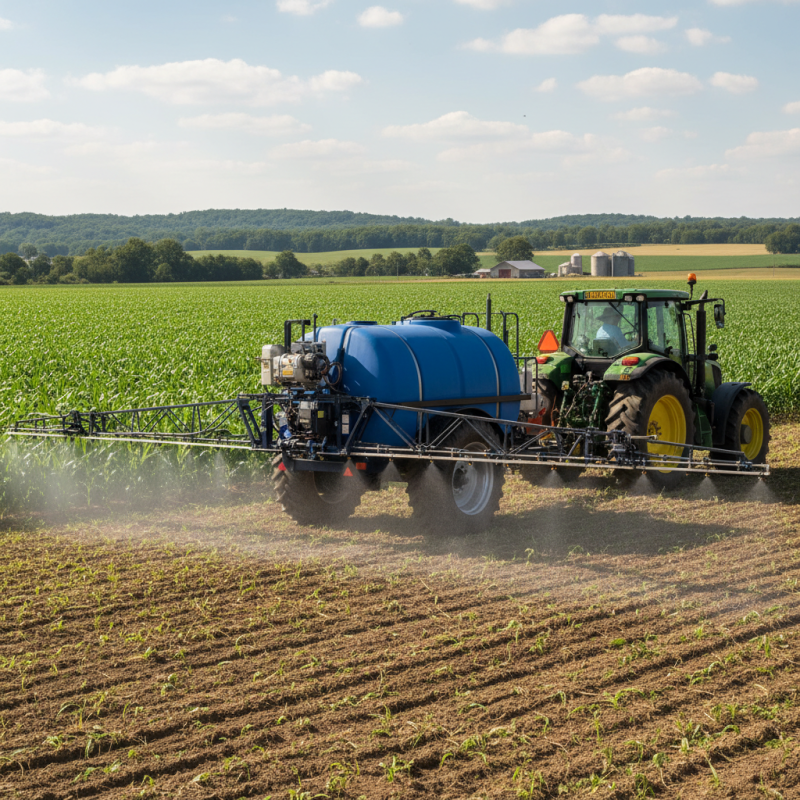
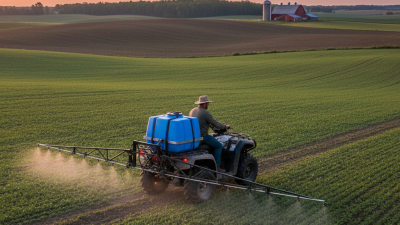
When considering trailer sprayers, understanding their types and benefits is crucial. There are several types available, each serving different needs. For instance, the boom sprayer covers large areas quickly. It's ideal for farms with extensive crops. In contrast, a spot sprayer focuses on precise applications. This type minimizes waste and ensures targeted treatment.
Data from industry reports states that trailer sprayers improve efficiency by up to 50%. Farmers can cover more ground in less time. This is particularly beneficial during peak seasons. However, not every sprayer fits every scenario. Choosing the wrong type can lead to overspray or under-application. This can result in ineffective pest control or crop damage.
Another important consideration is maintenance. Regular checks are essential. Neglecting maintenance can lead to decreased performance. Minor leaks or clogs can affect the sprayer's output. Research indicates that maintenance can boost sprayer efficiency by 20%. Understanding the specific needs of your crops can help make the right choice. Each sprayer type has its pros and cons, demanding careful thought and planning.
Key Features to Consider When Choosing a Trailer Sprayer
When selecting a trailer sprayer, consider essential features that align with your specific needs. The tank size is crucial. Larger tanks can hold more liquid, reducing the need for frequent refills. However, they also add weight, which could affect your vehicle's towing capacity. Think about how much area you need to cover and the liquids you'll use.
The pump type is another important factor. Gear pumps provide high pressure but can be noisy. Diaphragm pumps are quieter and easier to maintain but may not deliver the same pressure. Assess what fits your situation better. Additionally, look at the spray width and nozzle types. A wider spray pattern can cover more ground quickly, but it may lead to wastage.
Also, don't overlook the ease of use. Features like easy-to-read gauges and adjustable flow controls can make a significant difference. Sometimes, sprayers look great on paper but lack practical functionality. Always evaluate the user interface before making a decision. Choose wisely and reflect on your specific needs.
The Ultimate Guide to Choosing the Best Trailer Sprayer - Key Features to Consider
| Feature |
Description |
Importance |
| Tank Capacity |
The size of the tank determines the amount of liquid that can be carried, impacting the efficiency of spraying. |
High |
| Pump Type |
Different pump types (diaphragm, gear, etc.) affect flow rate and pressure. |
High |
| Spray Width |
The width of the spray pattern determines the efficiency of coverage. |
Medium |
| Portability |
Weight and design that make it easier to maneuver the trailer. |
Medium |
| Durability |
Materials and construction quality that withstand harsh conditions. |
High |
| Nozzle Types |
Variety of nozzle options to accommodate different spraying needs. |
Medium |
| Ease of Maintenance |
Features that simplify cleaning and upkeep of the sprayer. |
Medium |
Comparing Trailer Sprayers: Capacity, Pressure, and Size
When choosing a trailer sprayer, three key factors stand out: capacity, pressure, and size. Understanding these elements can drastically enhance your spraying efficiency.
Capacity determines how much liquid can be stored. Larger tanks may reduce the need for frequent refills. However, they can also add weight, making transport more challenging. A balance is essential.
Pressure is vital for effective application. Different tasks require different pressures. Higher pressure generally leads to finer spray patterns. Yet, too much pressure may cause overspray, wasting valuable liquid. It’s worth experimenting to find the optimal pressure for your specific needs.
Size is about more than just tank dimensions. Consider the spout and hose length as well. A compact sprayer can navigate tight spaces easily. But if the nozzle is too short, it may not reach where it's needed most.
Reflect on your working environment to make the best choice. Each sprayer has trade-offs, requiring careful thought about your actual usage scenarios.
Assessing Your Needs: Agriculture vs. Landscaping Applications
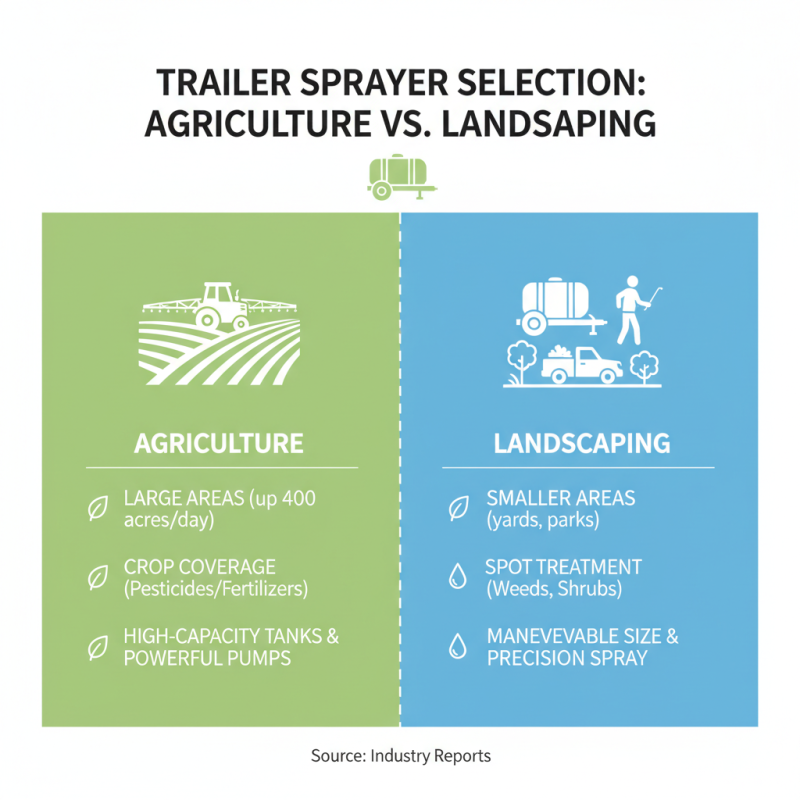
When choosing a trailer sprayer, understanding the specific application is crucial. Agriculture and landscaping have different needs. In agriculture, sprayers must handle large areas and cover crops efficiently. For instance, farmers often treat up to 400 acres daily, according to industry reports. These sprayers require high-capacity tanks and powerful pumps for effective pesticide and fertilizer application.
Landscapers, in contrast, typically operate in smaller spaces. They may focus on gardens and parks, where precision is key. A landscaping sprayer might only need to cover a few acres but must deliver an even and controlled application. Many professionals prefer models that allow for adjustable spray patterns.
Tips:
Consider your average job size when selecting a sprayer. For larger agricultural needs, prioritize tank capacity. If your work is more localized, choose a sprayer with fine-tuning capabilities. Moreover, think about compatibility with various attachments. Adapting to different tasks could save time and resources.
Finally, don’t overlook user feedback. It’s common to see mixed reviews about efficiency and durability. Engaging with real users can provide insight into practical performance. Understand that what works in theory may not fit your specific needs perfectly.
Maintenance Tips for Prolonging the Life of Your Trailer Sprayer
Maintaining your trailer sprayer is essential for its longevity. Regular cleaning is crucial. After each use, make sure to flush the tank and hoses. This prevents chemical build-up. Pay attention to small parts like filters and nozzles. They can clog easily. A quick inspection can save you from bigger issues later.
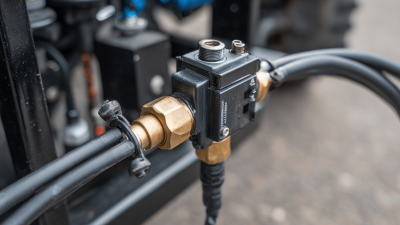
Check the pump for any signs of wear. Pitted or rusty surfaces can lead to leaks. Sometimes, a simple tightening of connections might do the trick. Replace worn-out washers. They might seem small, but they play a big role in preventing leaks. Also, don’t forget to lubricate moving parts as specified in the manual. This small step helps maintain performance.
Storage is another vital aspect. Keep your sprayer in a dry, sheltered location. Avoid exposing it to harsh weather conditions. It can cause cracks and weaken materials. If you notice any damage, take the time to address it. Waiting might lead to more extensive repairs. Always remember, a little upkeep goes a long way in preserving your sprayer's functionality.