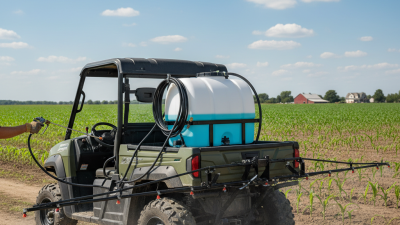
Top 10 UTV Sprayer Tips for Efficient Farming Use?
In modern farming, efficiency is key. Utilizing a UTV sprayer can significantly improve your workflow. These versatile machines are designed to tackle various agricultural tasks. However, using them effectively requires knowledge and careful planning.
Farmers often overlook small details that can enhance performance. Understanding your UTV sprayer's capacity and limitations is crucial. Proper calibration can prevent waste of resources and ensure effective coverage. Additionally, regular maintenance will prolong the life of your equipment. Without attention to these factors, efficiency may suffer.
Enhancing your farming processes with a UTV sprayer involves thoughtful implementation. Learning from both successes and mistakes can lead to better outcomes. Sharing tips and strategies from experienced users can guide you in maximizing your machine's potential. In this article, we explore key tips for using UTV sprayers effectively, ensuring your farming efforts yield the best results.
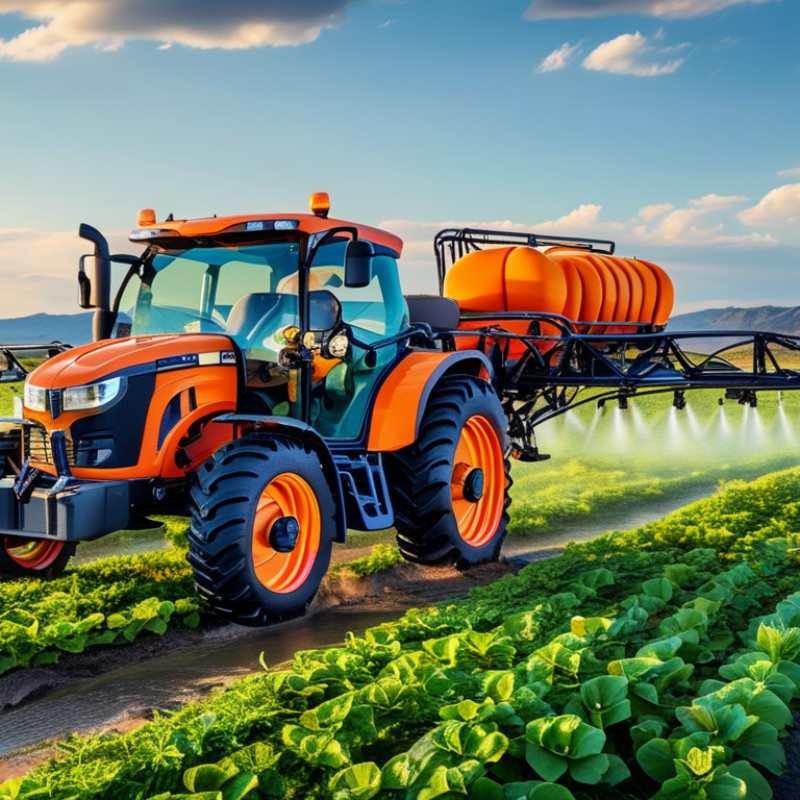
Top UTV Models for Spraying: Performance and Efficiency Ratings
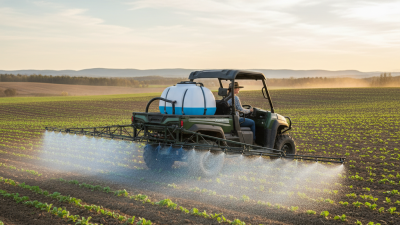
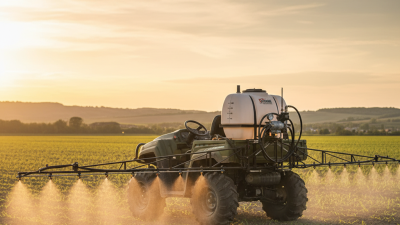
When choosing UTV models for spraying, performance and efficiency are key considerations. Look for vehicles with robust engines and reliable transmissions that can handle varied terrains. These factors directly impact how effectively the sprayer operates. A higher ground clearance can help navigate rough fields, ensuring your spraying gets done smoothly.
Efficiency ratings often hinge on factors like tank capacity and distribution accuracy. Larger tanks minimize refill stops, but they can add weight to the vehicle. Balancing tank size with overall maneuverability is essential. Meanwhile, a good spray system should evenly distribute liquids without oversaturation.
Not all UTV models excel in every environment. Some might struggle on steeper slopes or in wet conditions. It's crucial to test different models, understanding their strengths and weaknesses. Take time to reflect on how a UTV’s specifications align with your farming needs and the specific tasks at hand. A thoughtful analysis can lead to enhanced efficiency on the farm, optimizing both performance and resource management.
Understanding Spray Technology: Nozzle Types and Coverage Considerations
Choosing the right nozzle type is crucial for effective spraying. Nozzles come in various shapes and sizes, affecting both droplet size and distribution pattern. Larger droplets may minimize drift but could lead to uneven coverage. Conversely, finer droplets ensure better coverage but require careful management of wind and environmental factors. Understanding what each nozzle offers can drastically enhance your spraying efficiency.
Coverage considerations go beyond just nozzle selection. It's vital to know the crops being treated and their specific needs. An uneven application could mean certain areas receive too much or too little treatment. This disparity leads to potential crop damage or ineffective pest control. Adjusting your spray pressures can aid in achieving the required coverage, yet, this must be monitored closely to avoid over or under-spraying.
Calibration of your UTV sprayer is another important aspect. Regular checks ensure consistent performance and accuracy. Many farmers overlook this process, assuming their equipment is functioning well. However, small changes like wear and tear can lead to significant discrepancies over time. Addressing these details can make a difference in the field, ultimately supporting better yield outcomes and sustainable practices.
Top 10 UTV Sprayer Tips for Efficient Farming Use
Optimal Spraying Techniques: Timing and Weather Conditions for Best Results
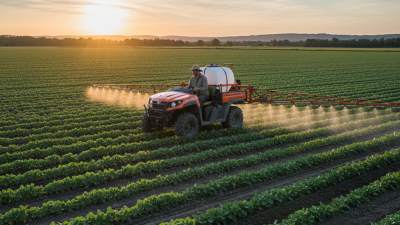
Effective spraying is crucial for successful farming. Timing plays a significant role in achieving optimal results.
Early morning or late evening is often the best time for spraying.
During these hours, temperatures are cooler, and wind activity is typically lower.
This reduces evaporation and drift, allowing for better coverage and absorption by plants.
Weather conditions also greatly influence spraying effectiveness.
Avoid spraying right before or after rain.
Wet leaves can hinder adherence and reduce efficacy.
Similarly, applying pesticides during high winds can lead to uneven distribution.
Consider monitoring local forecasts to plan applications accordingly.
Recognizing patterns like humidity and temperature can enhance the timing of treatments.
It's important to reflect on past spraying experiences.
Did wind disrupt the coverage? Was rain an issue?
Learning from these instances can fine-tune future applications.
Continuous observation will help in developing a routine that aligns with local conditions.
Each farm is unique, so adjustments may be necessary over time.
More than just following guidelines, understanding your environment is key to efficient farming.
Maintenance Best Practices: Ensuring UTV and Sprayer Longevity
Regular maintenance of your UTV and sprayer is crucial for their longevity. Start with a thorough inspection. Look for leaks or signs of wear. Pay attention to the sprayer’s nozzle. A clogged nozzle can impact performance. Clean it regularly to ensure even distribution.
Check the UTV’s tires and brakes frequently. Proper tire pressure enhances fuel efficiency. Inspect the brake system for wear. This can prevent costly repairs down the line. Fluid levels are equally important. Low oil or hydraulic fluid can lead to bigger issues.
Stay updated on maintenance schedules. Ignoring minor repairs can lead to serious breakdowns. Also, consider the environment when spraying. Avoid windy days. This prevents drift and ensures targeted application. By following these practices, you'll ensure you're getting the most from your equipment.
Top 10 UTV Sprayer Tips for Efficient Farming Use
| Tip # |
Tip Description |
Frequency |
Expected Outcome |
| 1 |
Regularly check the sprayer's nozzles for clogging. |
Before each use |
Improved spray efficiency |
| 2 |
Clean the tank after every use to prevent residue buildup. |
After each use |
Longer equipment lifespan |
| 3 |
Calibrate the sprayer for accurate application rates. |
Monthly |
Optimal chemical use |
| 4 |
Inspect and replace worn hoses regularly. |
Quarterly |
Prevent leaks and pressure issues |
| 5 |
Store the sprayer in a dry place to avoid rust. |
Year-round |
Maintained equipment condition |
| 6 |
Use the correct pressure settings for each application. |
Before each use |
Consistent spray pattern |
| 7 |
Check battery levels and connections for electric sprayers. |
Weekly |
Reliable performance |
| 8 |
Review and update chemical labels and safety data sheets. |
Annually |
Informed safety practices |
| 9 |
Train operators on safe handling practices. |
As needed |
Enhanced operator safety |
| 10 |
Perform regular maintenance checks as part of a schedule. |
Monthly |
Prevention of equipment failure |
Precision Agriculture Integration: Using GPS and Data Analytics in Spraying
Precision agriculture has transformed crop spraying practices. Integrating GPS technology and data analytics significantly enhances efficiency. According to a report from the Agricultural and Food Research Council, effective GPS use can increase crop yield by as much as 15%. Farmers can now map their fields in detail. This mapping allows for targeted spraying, which reduces waste.
Data analytics plays a crucial role in optimizing spraying schedules and areas. By analyzing weather patterns and soil conditions, farms can decide the best times to spray. This prevents unnecessary application and ensures better pest control. However, many farmers still struggle with interpreting this data. Reports indicate that over 30% of farmers do not utilize available data analytics tools effectively.
Utilizing these technologies requires training and adjustment. Farmers often need to rethink their traditional methods. Customizing spray applications based on real-time data can lead to better resource management. This shift may be daunting, but the potential benefits are significant. Embracing these changes can ultimately lead to a more sustainable farming future.