Top 10 Seaweed Fertilizers You Need for Your Garden?
In the world of sustainable gardening, Seaweed Fertilizer has gained significant attention. Renowned horticulturist Dr. Emily Green once stated, “Seaweed fertilizers are nature’s miracle for plants.” This sentiment emphasizes the profound benefits these natural fertilizers offer.
Seaweed fertilizers are packed with nutrients. They enhance soil health, help plants resist disease, and promote robust growth. With various types of seaweed fertilizers available, it’s essential to understand their unique features. They vary in formulation and effectiveness, which can be a confusing aspect for many gardeners.
Navigating through these options requires a thoughtful approach. Consideration should be given to your specific plants' needs and the local soil conditions. It’s also crucial to reflect on your gardening practices. Are you using the best type of seaweed fertilizer for your garden’s health? Embrace the journey to discover the perfect seaweed fertilizer that will nourish your plants and improve the environment.
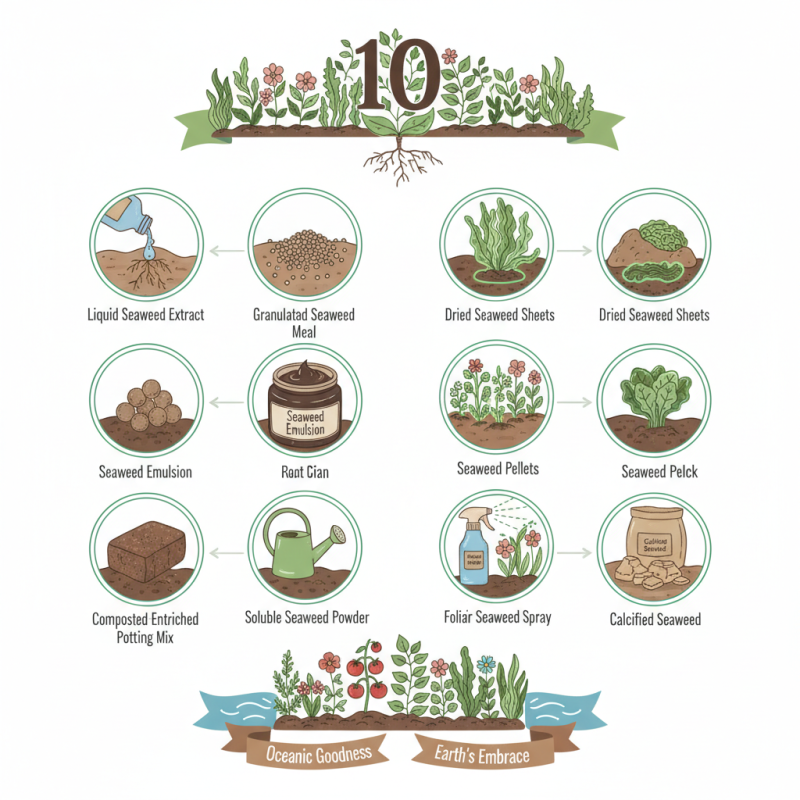
Top 10 Seaweed Fertilizers: An Overview of Their Benefits in Gardening
Seaweed fertilizers have gained popularity among gardeners due to their many benefits. Research shows that seaweed contains vital nutrients. It includes nitrogen, potassium, and phosphorus, essential for plant growth. A study indicated that seaweed extracts can improve soil health. Healthy soil leads to better plant resilience and higher yields.
Seaweed also enhances microbial activity in the soil. Microorganisms break down organic matter, releasing nutrients for plants. A report from the International Journal of Agriculture highlights that using seaweed as fertilizer can increase crop yield by up to 15%. Additionally, it helps plants resist pests and diseases.
Gardeners appreciate the sustainability factor of seaweed fertilizers. They are renewable resources, reducing the reliance on synthetic chemicals. However, some gardeners may feel uncertain about application rates and methods. It’s essential to follow recommended guidelines to avoid overuse. Not all seaweed sources are equal, so choosing the right type matters. This reflects the need for more research in this area.
Understanding the Nutritional Profile of Seaweed Fertilizers for Plants
Seaweed fertilizers are gaining attention among gardeners for their rich nutritional profile. They contain essential minerals such as potassium, magnesium, and calcium. These nutrients are crucial for plant growth and development. Seaweed also provides trace elements, including iron and manganese, that plants need in smaller amounts. The amino acids found in seaweed can enhance plant resilience, encouraging stronger growth.
Another benefit of seaweed fertilizers is their natural growth hormones, like auxins and cytokinins. These hormones help stimulate root development and improve overall plant health. However, the effectiveness can vary depending on the seaweed source and preparation method. Some gardeners might not see immediate results, which can be frustrating. Understanding the specific needs of your plants is key to making the most of these fertilizers.
It's essential to apply seaweed fertilizers correctly. Over-application can lead to nutrient imbalances in the soil. Testing your soil can provide insights into what your plants truly need. This ensures you’re enriching your garden without excess. Not every plant responds the same way to seaweed, and experimenting can lead to different outcomes. Keeping track of your plants’ responses will help refine your approach in the future.
Comparing the Effectiveness of Liquid vs. Granular Seaweed Fertilizers
When considering seaweed fertilizers, both liquid and granular forms offer unique benefits and drawbacks. Research indicates that liquid seaweed fertilizers can deliver nutrients quickly. They are easily absorbed by plants, which means faster visible results. A study by the Journal of Plant Nutrition noted that liquid applications can enhance nutrient uptake by up to 50%. However, the increased absorption rate can sometimes lead to nutrient imbalances if not carefully managed.
On the other hand, granular seaweed fertilizers provide a slower, more sustained release of nutrients. This gradual availability can contribute to long-term soil health. According to the International Journal of Sustainable Agriculture, granular fertilizers help improve soil structure and microbial activity over time. However, the lag in visible effects can be a downside for gardeners seeking immediate results. Balancing these options requires careful thought about the specific needs of your garden.
One challenge lies in understanding the precise nutrient composition of seaweed fertilizers. Not all products are created equal; some may lack essential micronutrients. Gardeners must consider their soil tests and plant needs, which requires ongoing evaluation. Ultimately, the best choice often depends on individual garden conditions and goals. Understanding the strengths and weaknesses of both formats can lead to more effective gardening practices.
Key Ingredients in Seaweed Fertilizers and Their Impact on Soil Health
Seaweed fertilizers are rich in nutrients that greatly benefit soil health. They contain essential minerals like potassium, magnesium, and trace elements that plants need. These ingredients help in improving soil structure, enhancing water retention, and promoting beneficial microbial activity. The presence of natural growth hormones in seaweed supports plant growth and resilience.
Using seaweed fertilizers can be straightforward, but some gardeners might overlook proper application methods. Overuse can lead to nutrient imbalances. It's essential to consider the specific needs of your soil and plants. Testing soil before application can guide your choices.
Incorporating seaweed into your routine can significantly improve soil health if done correctly. Monitoring the plant responses is equally crucial. Adjustments may be necessary as plants grow. Balancing these components allows for a thriving garden ecosystem with enhanced soil vitality.
How to Properly Apply Seaweed Fertilizers for Maximum Garden Yield
Seaweed fertilizers are an excellent way to nourish your garden. They offer a rich source of trace minerals and vitamins. These nutrients enhance plant growth while improving soil health. Proper application is key for maximum yield.
Before applying, consider how to dilute the seaweed fertilizer. Typically, mixing one part fertilizer with ten parts water works well. Ensure even distribution across your garden. Over-application may lead to nutrient imbalance. Observe your plants. If they show signs of stress, adjust the dilution.
Tips: Apply seaweed fertilizer during the early morning or late afternoon. Avoid hot midday sun. This minimizes evaporation and maximizes absorption. Regularly check for pests. Healthy plants can resist them better.
Watch out for overwatering. Seaweed can retain moisture. Use a moisture meter to ensure your soil is well-drained. This can prevent root rot and other issues. Adjust your watering schedule based on weather conditions.
Top 10 Seaweed Fertilizers You Need for Your Garden
| Fertilizer Type | Nutrient Content (%) | Best Application Method | Ideal Plants | Frequency of Application |
| Liquid Seaweed Extract | 0.5 - 1.0 | Foliar Spray or Soil Drench | Vegetables, Herbs | Every 2-4 weeks |
| Kelp Meal | 1.0 - 2.0 | Top Dressing or Mixing into Soil | Fruit Trees, Berries | Once every season |
| Seaweed Powder | 1.5 - 3.0 | Mixed into Potting Mix | Seedlings, Houseplants | At planting time |
| Dried Seaweed Flakes | 2.0 - 3.5 | Top Dressing | Flowering Plants, Lawns | Monthly |
| Seaweed Compost | Varied | Soil Incorporation | All Plants | Twice a year |
| Seaweed Granules | 2.0 - 4.0 | Broadcasting | Root Vegetables | Every 6 weeks |
| Liquid Seaweed Concentrate | 5.0 - 7.0 | Diluted Foliar Spray | Succulents, Cacti | Bi-weekly |
| Organic Seaweed Fertilizer | 4.0 - 6.0 | Mix with Feed | All Vegetables | As needed |
| Seaweed Liquid Fertilizer | 3.0 - 5.0 | Foliar Application | Indoor Plants | Monthly |
