Who Are the Top Inflatable Bubble Tent Suppliers in China?

Choosing among China’s leading Inflatable Bubble Tents suppliers takes more than comparing glossy product photos. Buyers need to examine the frame, membrane, seams, blower, and after-sales support. A clear dome can look impressive online. The details matter more.

A well-built tent should hold its shape under steady airflow, with smooth seams and securely finished entry points. Ask suppliers for material specifications, available dimensions, packing details, and inspection records. Request close-up photos of joints and zipper tracks. If possible, review a sample before placing a large order. Small checks can reveal big gaps.

This guide compares suppliers through practical criteria: product range, customization, production capability, communication, and quality-control transparency. It also considers whether a company explains its limits clearly. That matters. Inflatable structures still depend on setup, airflow, and suitable site conditions. No supplier should be judged by a catalogue alone.

A verified expert quotation was not included in the source material, so this introduction avoids assigning invented words to a named specialist. That restraint is deliberate. Readers deserve claims they can check. Use the supplier profiles as a starting point, then confirm specifications directly and compare written quotations. The best choice is not always the cheapest or most polished. It is the supplier whose answers stay consistent, whose product details are clear, and whose promises match the evidence.
Who Are the Top Inflatable Bubble Tent Suppliers in China?

What Is an Inflatable Bubble Tent and Where Is It Used?

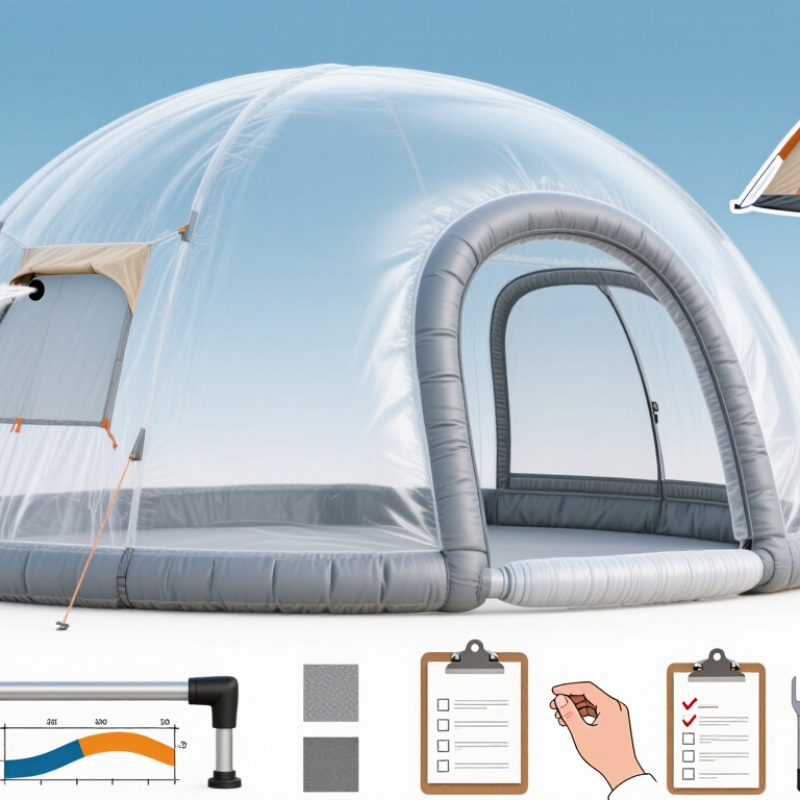
An inflatable bubble tent is a lightweight shelter supported by air-filled beams or a continuous air system. Its clear panels create an open view while providing a barrier from insects and light wind. Some designs include an enclosed sleeping area, an entry tunnel, or opaque sections for privacy. The transparent walls can make stargazing feel close to the outdoors. They can also reveal every smudge and collect condensation, which is easy to overlook.

People use bubble tents for glamping, backyard gatherings, outdoor photography, and temporary event displays. They work best on level ground with suitable anchoring and access to power when the design requires a blower. Ventilation matters, especially when several people occupy a warm tent. A bubble tent is not a dependable choice for severe weather or a substitute for a rated, insulated shelter. Check the manufacturer’s setup and weather guidance before use.

Tips: Choose a model with clear ventilation details, repair instructions, and a suitable floor. Check seams and inflation before guests arrive. Check the forecast. Even a sturdy-looking tent needs careful placement, and site conditions can change quickly. When comparing suppliers, ask for material specifications and written care guidance rather than relying on photos alone.

Who Are the Top Inflatable Bubble Tent Suppliers in China? - What Is an Inflatable Bubble Tent and Where Is It Used?

Topic Typical Details Practical Use or Supplier Check
What it is A transparent, air-supported enclosure. A blower typically maintains positive air pressure to hold the structure in shape. Ask whether the blower is designed for continuous operation and whether a backup blower or replacement parts are available.
Common materials Clear PVC and TPU are commonly used for transparent inflatable structures. Material choice affects flexibility, weight, durability, and cost. Request the material specification, thickness, seam-construction details, and documentation for any claimed UV or flame performance.
Entry and airflow Many designs use an air-lock entrance or vestibule to limit pressure loss when people enter. Ventilation is important for occupant comfort. Confirm the entrance layout, ventilation provisions, blower noise level, and the manufacturer's guidance on occupancy.
Glamping and accommodation Used at campsites and outdoor hospitality sites where guests want a panoramic view. Comfort depends on climate, ventilation, privacy, and site preparation. Check local planning, fire-safety, weather, and accommodation requirements before installation or commercial use.
Events and exhibitions Can serve as temporary event spaces, product-display areas, or viewing enclosures, subject to the design and venue conditions. Ask about setup time, anchoring, access routes, power requirements, and the wind limits stated in the operating instructions.
Outdoor conditions An air-supported tent depends on continuous inflation and suitable anchoring. Wind, heavy rain, temperature, and surface conditions can affect safe operation. Obtain written operating limits and anchoring instructions; do not assume a transparent inflatable tent is suitable for every weather condition.
Supplier comparison Useful comparison factors include product specifications, customization options, production quality controls, export experience, warranty terms, and after-sales support. Request current product drawings, a sample or inspection report, references for comparable projects, and a written quotation with delivery terms.
Finding a “top” supplier A reliable ranking requires current, independently checked information; supplier capability and compliance can vary by product and order. Compare qualified manufacturers against the same specification and verify business details, production capability, test documents, and contract terms before ordering.

How Are Chinese Bubble Tent Suppliers Evaluated?

Evaluating a Chinese inflatable bubble tent supplier starts with evidence, not polished showroom images. Request a current specification sheet covering film type, thickness, seam construction, ventilation, and anchoring points. Ask how the tent handles condensation and temperature changes. Details matter. A clear answer should name materials and limitations, not promise that the structure performs well in every climate.

Review a physical sample when possible. Inspect welded seams under bright light, run the zippers several times, and check whether repair patches and instructions are included. Ask for dated test reports and confirm which model they cover; a generic certificate may reveal little about the tent you plan to order. Ask for proof. Compare lead times, minimum order quantities, replacement-part availability, and packaging details in writing.

Communication is another useful measure. Send the same technical questions to each supplier and compare how directly they answer. Request a production checklist, inspection photos, and a clear process for reporting defects. Video calls can show workshop conditions, but they cannot replace independent checks. Sample quality may differ from bulk production, so agree on inspection points before manufacturing. Even careful screening leaves uncertainty; keep records and revisit assumptions after the first shipment.

Which Chinese Suppliers Are Recognized for Bubble Tents?

Chinese suppliers recognized for bubble tents usually show more than polished product photos. Look for firms that explain their role as manufacturers or trading companies, and can share current workshop images or production details. Ask what their transparent panels are made from, how seams are joined, and how the blower connects to the tent. Specific answers matter. Vague promises do not.

Experienced suppliers can discuss practical details, such as ventilation, condensation, entrance layout, and replacement parts. Request written specifications for fabric thickness, dimensions, packed weight, and operating conditions. A sample inspection can reveal cloudy panels, uneven seams, or awkward zippers that a catalog may hide. Small details count. Check whether inspection records and after-sales terms are available before placing a large order.

Recognition should come from evidence, not a supplier’s own ranking claim. Ask for references from comparable projects, and confirm that the listed products match the proposed specification. Some suppliers may customize quickly, but changes can affect lead time and consistency. That part deserves a second look. Compare quotations item by item, including the blower, accessories, packaging, and any testing documentation, rather than choosing by price alone.

How to Evaluate Chinese Inflatable Bubble Tent Suppliers

A buyer-focused comparison of the evidence to check when assessing suppliers—not a ranking of companies.

The percentages are editorial due-diligence weights, not measured supplier results or market statistics. Verify product specifications, material documentation, quality-control processes, customization options, and export experience directly with each supplier.

What Products and Services Do Leading Suppliers Offer?

Leading inflatable bubble tent suppliers in China typically offer more than a clear enclosure. Their product ranges may include round lounge tents, connected dome units, transparent panels, entrance vestibules, and floor mats. Buyers can often choose tent diameter, door placement, ventilation openings, and printed graphics. Ask which panels are replaceable. That detail matters.

Materials and airflow systems deserve close attention. Suppliers should explain the fabric type, seam construction, blower capacity, and recommended operating conditions in plain language. Request photographs of finished seams and a written packing list, not just attractive renderings. Some companies provide sample checks or pre-shipment inspections, though the scope varies. Ask for proof. A glossy surface alone says little about durability.

Service may cover design drawings, logo placement, packaging, shipping coordination, and setup guidance. Useful support includes clear instructions for anchoring the tent, managing cables, and checking airflow before guests enter. Confirm what spare parts are available and how quickly the supplier responds to maintenance questions. These points can be overlooked. I would also compare quoted specifications line by line; similar-looking tents may differ in panel thickness, blower configuration, and included accessories. A supplier that welcomes specific questions is easier to assess, though no checklist removes every uncertainty.

How Can Buyers Verify and Compare Potential Suppliers?

Who Are the Top Inflatable Bubble Tent Suppliers in China?

How Can Buyers Verify and Compare Potential Suppliers?

A supplier’s catalog can look convincing. It is not proof. Ask for a live video walkthrough of the production area, not only edited product footage. Check whether the company can explain its material thickness, seam construction, blower specifications, and repair process clearly. Request a sample or a small trial order when practical. Inspect the seams, zippers, viewing clarity, and included accessories under real conditions.

Compare suppliers using the same written specification. Include tent dimensions, intended use, material details, anchoring accessories, packaging, lead time, and warranty terms. Ask for relevant test reports, then confirm that the model and material listed match your quotation. A report for a similar product may not answer your question. Also check how the supplier handles replacement parts and defects; vague answers deserve follow-up. Small details matter.

Price is only one signal. A much lower quote may leave out a blower, spare parts, or suitable packaging. Clarify what is included before comparing totals. Ask how the tent performs in the climate and setting where it will be used, and get care instructions in writing. I would still leave room for uncertainty: a factory visit or video call cannot guarantee every shipment. Keep specifications, approvals, and agreed delivery details documented, and compare responses for consistency rather than confidence alone.