Top 2026 Claude Cowork Trends You Need to Know?
In the evolving landscape of workspaces, "claude cowork" stands out as a pivotal trend shaping the future. As we navigate into 2026, understanding this trend is crucial for freelancers and entrepreneurs alike. The demand for flexible, collaborative environments is on the rise. People crave productivity and connection, which "claude cowork" embodies.
Emerging "claude cowork" spaces offer more than just desks and Wi-Fi. They foster a community of like-minded individuals, encouraging creativity and innovation. These spaces are designed for collaboration, yet they sometimes lack privacy. For many, the bustling atmosphere can be distracting.
With the growth of remote work, "claude cowork" is also challenged by technology. Virtual interactions are replacing face-to-face meetings. This shift raises questions: Are we losing the human touch? Will technology enhance or hinder collaboration? Reflecting on these questions is essential as we adapt to future work environments. Embracing the positive aspects of "claude cowork" while addressing its imperfections can lead us to more sustainable and effective working models.
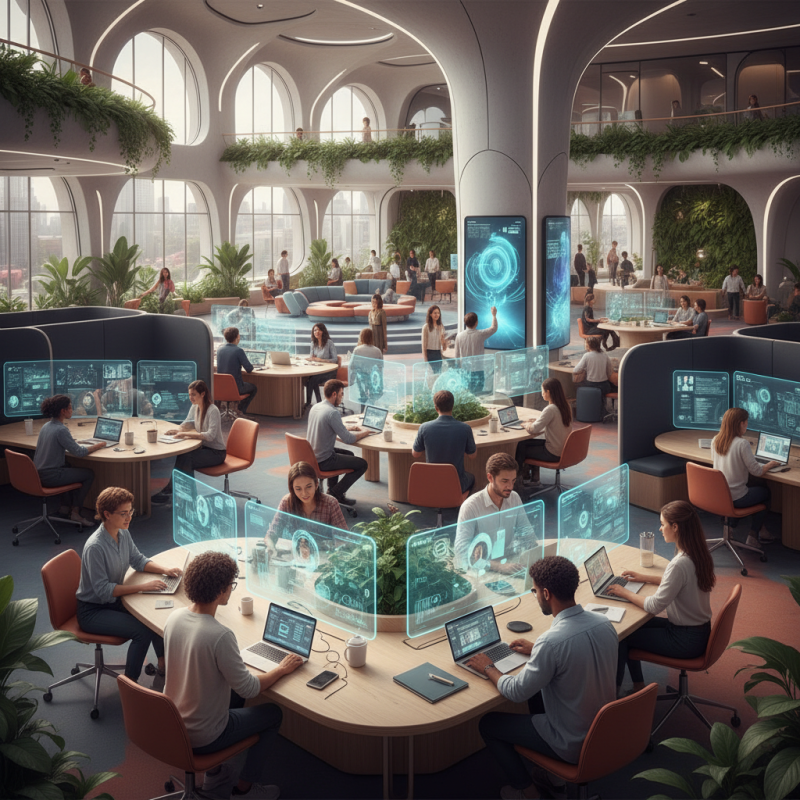
Emerging Technologies Influencing Coworking Spaces in 2026
As we look ahead to 2026, coworking spaces are evolving rapidly. Emerging technologies are reshaping how these shared environments function. Smart sensors will play a crucial role. They monitor air quality, lighting, and occupancy in real time. This data-driven approach helps enhance employee wellbeing and productivity.
Virtual reality is another exciting development. Coworkers can immerse themselves in simulated environments, holding meetings anywhere, anytime. This technology could break geographical barriers but may lead to a lack of face-to-face interaction. Companies should consider the balance between innovation and personal connection.
Moreover, automation is on the rise. From booking spaces to managing resources, AI tools streamline operations. However, there's a risk of losing the human touch. Dependence on automation might reduce problem-solving skills among staff. Finding the right mix will be essential for a thriving community.
The Rise of Flexible Work Arrangements in Coworking Trends
Flexible work arrangements are reshaping the coworking landscape. Reports indicate that over 75% of employees prefer flexible work options. This trend highlights the need for adaptable coworking environments.
More professionals are seeking a blend of remote and in-office time. A study by Global Workplace Analytics suggests that by 2026, 30% of the workforce will primarily work remotely. Coworking spaces must accommodate this shift while maintaining a collaborative atmosphere.
However, not all coworking spaces are equipped for this change. Many lack adequate facilities for virtual meetings. Connectivity issues can disrupt productivity. Spaces must evolve to meet the demands of hybrid work. With challenges come opportunities to innovate. Adaptation will ultimately shape the future of coworking dynamics.
Top 2026 Claude Cowork Trends You Need to Know? - The Rise of Flexible Work Arrangements in Coworking Trends
| Trend | Description | Impact on Work Culture | Employee Preference (%) |
| Hybrid Work | Blending remote and in-office work to enhance flexibility. | Promotes work-life balance and increases job satisfaction. | 75% |
| Flexible Hours | Allowing employees to choose their working hours. | Encourages productivity during peak personal performance times. | 68% |
| Collaborative Spaces | Designing areas that promote teamwork and creative exchange. | Fosters innovation and enhances team dynamics. | 65% |
| Digital Nomadism | Supporting remote work from any location globally. | Increases employee freedom and attracts diverse talent. | 70% |
| Subscription Models | Offering coworking spaces through monthly subscriptions. | Provides financial flexibility and commitment ease for users. | 60% |
Sustainability Practices Shaping the Future of Coworking
As coworking spaces evolve, sustainability practices become essential. Many coworking spaces are focusing on eco-friendly practices. This includes using renewable energy and sustainable materials. The goal is to create a greener work environment. Spaces that prioritize sustainability often attract like-minded individuals. This sense of community enhances collaboration.
Recycling programs are becoming common in these environments. Some spaces have even adopted zero waste policies. Members are encouraged to bring reusable containers for meals. These small changes leave a significant impact on the environment. However, it’s not always easy to implement these practices. Some challenges include cost and member buy-in. Without full commitment, sustainability efforts may fall flat.
Designing spaces with natural light can improve mood and reduce energy use. Many coworking environments are also integrating plants. This not only boosts aesthetics but also air quality. However, ensuring proper care for these plants can be overlooked. Regular maintenance is crucial for long-term success. In the end, balancing sustainability with practicality requires continuous reflection and commitment.
The Importance of Community Engagement in Coworking Environments
Community engagement plays a vital role in coworking environments. A vibrant community can enhance collaboration and foster creativity. When members interact openly, they share ideas and resources. This naturally leads to more productive workspaces. However, not every community thrives spontaneously. Some need nurturing and intentional effort.
Here are some tips for enhancing community engagement. Organize regular social events. They can spark conversations and build relationships. Encourage members to showcase their skills or projects. This can create a sense of pride and ownership. Remember, it's essential to listen. Solicit feedback on community activities. Not everyone feels comfortable speaking up.
Building a truly engaged community takes time. Some members may be shy or reluctant to participate. It's important to acknowledge these challenges. Creating a welcoming atmosphere is crucial. Sometimes, a simple “hello” can make a difference. Celebrate small victories and recognize contributions. This can motivate others to join in.
Design Innovations Enhancing Productivity in 2026 Cowork Spaces
The workspace landscape in 2026 is evolving rapidly. Recent studies show that 75% of workers prefer collaborative environments. Flexible designs promote creativity and enhance productivity. Open layouts, adjustable furniture, and soundproof areas are becoming standard. These elements help minimize distractions and foster teamwork.
Innovative designs utilize biophilic principles, integrating nature into workspaces. Research indicates that incorporating plants can improve air quality by up to 30%. This not only enhances worker health but also boosts mood and productivity. However, poorly planned spaces can disrupt focus. A cluttered area can lead to stress and decreased output.
Digital technology plays a significant role as well. Smart meeting rooms with integrated tech streamline collaboration. But reliance on technology can create barriers. Overloaded systems might frustrate employees, reducing overall efficiency. It's crucial to balance tech with human connection to maintain a positive work culture.
