Essential Tips for Choosing Hidden Cabinet Hinges?
When it comes to cabinetry, the choice of a Hidden Cabinet Hinge can significantly affect both aesthetics and functionality. Hidden cabinet hinges offer a clean and sleek appearance, keeping hinges concealed from view. They provide a seamless look that enhances the overall design of furniture. However, selecting the right hidden cabinet hinge can be challenging.
There are several factors to consider. The size, weight, and type of cabinet play crucial roles in hinge selection. It is also essential to assess the cabinet's intended use. Will it be frequently opened? This could impact the durability needed in a hinge. Pay attention to the material, as it can affect longevity and performance. Each hinge carries different weight ratings and installation methods.
Choosing a hidden cabinet hinge is not solely about appearance. Performance matters too. Look for quality options that offer smooth operation. Still, sometimes, mistakes in hinge selection occur, leading to functionality issues. This can prompt reflection on how vital proper research is before making a decision. Ultimately, the ideal hinge should blend form and function harmoniously.
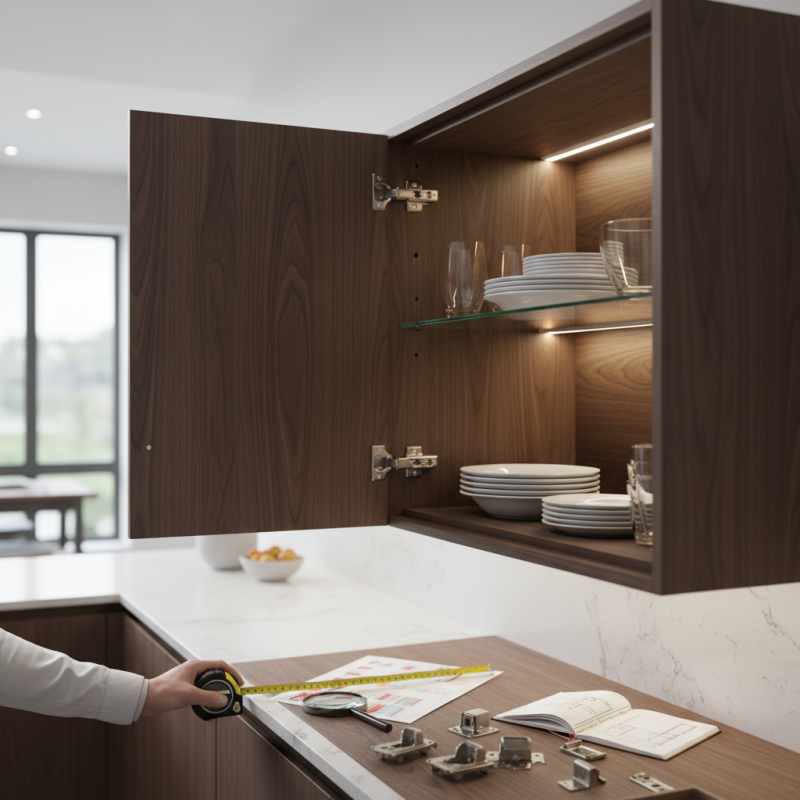
Understanding Hidden Cabinet Hinges: An Overview
Hidden cabinet hinges offer a seamless look for modern cabinetry. They are designed to be concealed within the cabinet structure. This design feature allows for a clean, uninterrupted surface, enhancing aesthetic appeal. According to industry studies, over 70% of homeowners prefer hinges that don't detract from the overall look of their cabinets. These hinges keep the focus on the cabinetry rather than the hardware.
Choosing the right hidden hinges can be complex. There are various types, such as full overlay and partial overlay hinges. Each type serves a unique purpose based on cabinet construction. Reports indicate that improper hinge selection can lead to functionality issues, with 35% of homeowners facing alignment problems. It is crucial to consider door weight and material when selecting hinges. Heavy doors may require stronger, more robust options to perform effectively.
Installation can also be tricky. If improperly mounted, hinges may not align correctly. This misalignment affects the door's movement over time. Research shows that about 25% of cabinet door issues stem from hinge-related problems. Understanding these details can help ensure the longevity of cabinets. It’s essential to weigh your choices carefully before making a final decision.
Types of Hidden Cabinet Hinges: A Comprehensive Guide
When selecting hidden cabinet hinges, it’s vital to understand the different types available. The most common options include concealed hinges, European hinges, and lift-off hinges. According to a recent industry report, concealed hinges account for nearly 45% of the market. They offer a sleek, modern look while remaining fully functional. This style is preferred in contemporary cabinetry and modular designs, adding both beauty and efficiency.
Another popular choice is the European hinge, known for its adjustable features. These hinges allow for easy installation and fine-tuning. A study indicates that almost 30% of kitchen remodels incorporate these hinges due to their versatility. However, it’s essential to consider that their complexity can sometimes lead to installation errors. Many installers feel overwhelmed by adjustments.
Lift-off hinges are another option but are less common. They provide the benefit of easy door removal, which can simplify maintenance. However, they may not offer the same aesthetic appeal as concealed types. Some homeowners express concern about their durability. In summary, understanding these types helps refine your selection for better functionality and design.
Factors to Consider When Choosing Hidden Cabinet Hinges
When selecting hidden cabinet hinges, several key factors come into play. The weight of the cabinet doors is crucial. Heavier doors require sturdier hinges for support. If the hinges can't handle the weight, they may fail sooner than expected.
The style of the cabinet also matters. Some hinges look better with specific designs. Consider the overall aesthetic. It should complement your cabinets, not clash with them. Another point to contemplate is the installation method. Some hinges are more challenging to install. You may need professional help.
Don't rush your decision. Getting it wrong can lead to frustration. Test the functionality before finalizing your choice. Remember, the right hinge should allow for smooth operation. Misalignment can happen. This affects the door's usability. Always check reviews and seek craft advice if you're unsure. The right choice makes a difference in your kitchen or bathroom’s functionality.
Essential Tips for Choosing Hidden Cabinet Hinges
| Factor | Description | Importance Level (1-5) |
| Material | Choose high-quality materials like stainless steel for durability and resistance to corrosion. | 5 |
| Weight Capacity | Ensure the hinge can support the weight of the cabinet door for proper function. | 4 |
| Adjustability | Consider hinges that allow for height, depth, and side adjustments. | 4 |
| Installation Type | Evaluate whether you prefer clip-on or screw-on installation methods. | 3 |
| Concealment Level | Check how much of the hinge is visible when the door is closed to enhance aesthetics. | 5 |
| Finish | Choose a finish that matches or complements your cabinetry for a cohesive look. | 3 |
| Brand Reputation | Research brands known for quality and longevity to ensure a worthwhile investment. | 4 |
Installation Tips for Hidden Cabinet Hinges
When installing hidden cabinet hinges, precise measurements are crucial. Take the time to measure the door and cabinet frame carefully. Ensure the hinge attachment points align well. An error here can lead to misaligned doors. Check your measurements multiple times, as mistakes are easy to make.
Positioning the hinges is another key aspect. Place them at a consistent height for a uniform look. Adjust the distance from the edge to avoid interference with cabinet structures. Sometimes, you might find that the hinges do not close as smoothly as anticipated. This may require adjustments to the hinge placement or modifications to the cabinet itself.
Always test the doors after installation. Open and close them multiple times. Listen for any unusual sounds. If they stick, re-evaluate your setup. Take a step back and observe the overall alignment of the doors. Reflect on your approach. Adjustments can be frustrating, but they are often necessary for a polished finish.
Essential Tips for Choosing Hidden Cabinet Hinges
Maintenance and Care for Hidden Cabinet Hinges
Hidden cabinet hinges are essential for a clean look. However, they also require regular care. Start by keeping them free of dust and grime. Use a soft cloth to wipe down the hinges. This simple step can significantly enhance their lifespan.
Occasionally, you may notice squeaking sounds when opening doors. This can be annoying. A few drops of lubricant can solve this. Make sure to choose a suitable product that won’t damage the finish. Be careful; too much can attract dirt.
Inspect the hinges regularly for signs of wear. Sometimes, they can become loose over time. Tighten them gently, but don’t overdo it. A little attention goes a long way in ensuring smooth operation. Remember, neglect can lead to bigger problems down the road.
