Best Tips for Choosing Decorative Acoustic Panels for Your Space?
Choosing the right Decorative Acoustic Panels can transform any space. These panels not only enhance aesthetics but also improve sound quality. With the growing popularity of home offices and open spaces, understanding their importance is essential. Unwanted noise can be disruptive, affecting productivity and comfort.
When selecting Decorative Acoustic Panels, consider your specific needs. The design should complement the existing decor while serving its primary purpose of sound absorption. Different materials and shapes yield varying results in sound control. Colors and textures also play a vital role in maintaining visual harmony.
However, it's important to recognize that not all panels are created equal. Some may underperform in soundproofing despite their appealing designs. Researching brands and reading reviews can ensure reliability. Understanding these nuances can help you make a well-informed choice. The right balance of functionality and style makes all the difference.
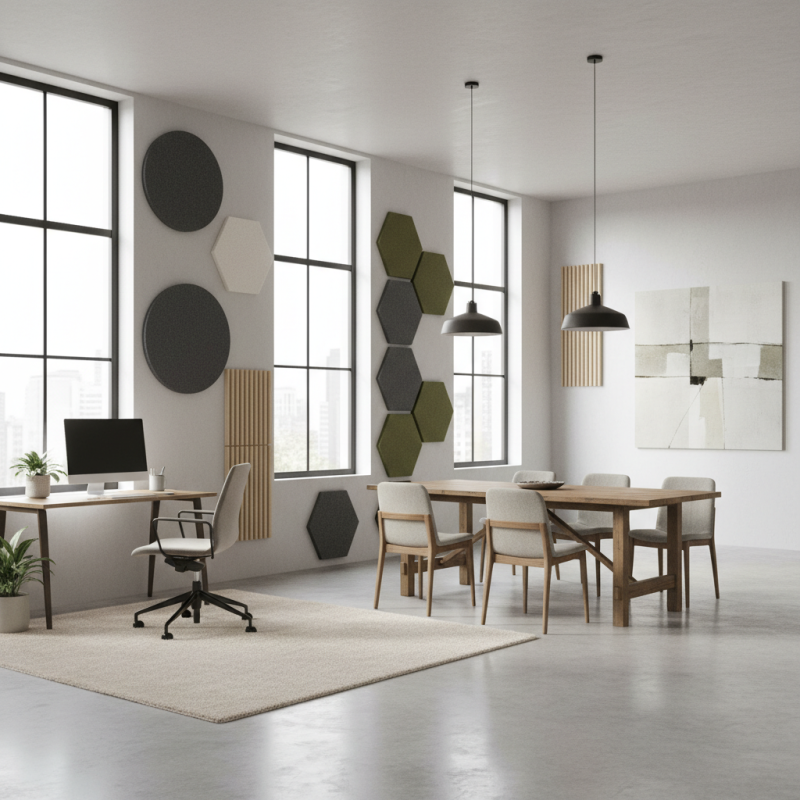
Understanding the Purpose of Decorative Acoustic Panels in Your Space
Decorative acoustic panels serve multiple purposes in enhancing a space. They primarily reduce ambient noise levels, creating a more pleasant environment. According to a report by the Acoustical Society of America, poor acoustics can lead to increased stress and decreased productivity. Thus, incorporating these panels can positively impact both welfare and efficiency.
These panels are not just functional; they also add aesthetic appeal. A well-designed space can inspire creativity and comfort. Many professionals recommend choosing colors and textures that align with your existing decor. This attention to detail can make a room feel cohesive. However, a common mistake is selecting panels solely based on appearance while neglecting acoustic performance.
Understanding the balance between design and function is crucial. Research shows that placing panels strategically can enhance their effectiveness. For instance, locating them near reflective surfaces significantly improves sound absorption. Yet, the challenge remains in optimizing placement and design harmoniously. Engaging with a professional or conducting thorough research can alleviate these concerns.
Evaluating the Material Options for Acoustic Panel Effectiveness
Choosing the right material for decorative acoustic panels is essential for optimal sound control. Common materials include fiberglass, foam, and wood. Fiberglass panels offer high sound absorption, making them effective in spaces with heavy noise. A report from the Acoustical Society suggests that fiberglass can reduce noise levels by more than 50% in some applications. This makes it a top choice for studios and offices.
Foam panels are often lighter and easier to install. Their effectiveness can vary widely based on density and thickness. A study published in the Journal of Sound and Vibration indicated that thicker foam panels significantly outperform thinner ones in low-frequency sound absorption. This insight is crucial when aiming for balanced acoustics in a room.
Wood panels provide aesthetic value alongside functionality. While they may absorb mid to high frequencies better, their effectiveness in low frequencies is limited. This can lead to unbalanced sound quality. It's important to reflect on the specific acoustic needs of your space to avoid potential shortcomings with the chosen material. Balancing aesthetics and sound absorption is often a challenge, but essential for achieving the desired acoustic environment.
Choosing the Right Size and Shape for Your Acoustic Panels
When selecting decorative acoustic panels, size and shape play a crucial role. Panels come in various dimensions, impacting not only aesthetics but also sound absorption. A large, flat panel can dominate a wall, while smaller, modular shapes can create a dynamic layout. Consider the scale of your furniture and room. Oversized panels may overwhelm a tiny space, while minuscule options might get lost in larger areas.
The shape of panels also influences how sound travels. Rectangular shapes are versatile, fitting well above artwork or furniture. On the other hand, geometric or organic shapes can add intrigue. They might not absorb sound as efficiently, though. Don’t overlook the placement either; panels are more effective when positioned at strategic focal points or high-traffic areas.
Experiment with different configurations, as this can lead to unexpected results in both acoustics and design. It’s vital to reflect on personal style too. Choosing a size or shape solely based on popularity can misalign with one’s vision. If a panel style feels out of place, it often shows. Finding the right balance between function and aesthetics may take time, but investing effort here pays off in the overall ambiance of your space.
Exploring Aesthetic Styles to Match Your Interior Design
Decorative acoustic panels enhance both sound quality and aesthetic appeal. It's important to choose styles that fit seamlessly with your interior design. According to a report by the Acoustical Society of America, sound can impact productivity by up to 30% in office environments. Therefore, selecting attractive acoustic solutions can significantly improve your space's function and look.
When choosing decorative acoustic panels, consider the overall theme of your space. Bold geometric patterns may suit modern designs, while soft, natural textures can complement rustic interiors. It's crucial to match colors and materials with existing decor. Seek panels that bring harmony without overwhelming the room's ambiance.
Tip: Measure your wall space accurately before purchasing. Understanding dimensions helps avoid oversized or undersized panels. Furthermore, explore options that offer custom designs tailored to your needs. This can lead to a more cohesive design that enhances both acoustics and visual appeal. Remember, a panel's effectiveness can diminish if it does not align with the space's overall theme or purpose.
Considering Installation Methods and Placement Strategies for Panels
When considering decorative acoustic panels, placement strategies are crucial for achieving the desired effect. Install panels in areas where sound bounces, like corners and flat walls. Using a mix of vertical and horizontal installations helps break sound waves effectively, improving acoustics in your space. Consider experimenting with various heights and orientations for a unique aesthetic that complements your design.
Think about your room’s purpose. A home theater may benefit from denser panel placements, while a workspace might need fewer panels to maintain openness. Measuring your space before installation can prevent over or under-paneling. It's essential to allow flexibility in your design. Sometimes, panels may not perform as expected, leading to echoes. Be ready to adjust their positions. Small tweaks can often make a significant difference in sound quality.
Lighting also plays a role in panel placement. Consider how light interacts with the panels, as it can add depth and interest. Placement shouldn't compromise natural light; this might require a bit of trial and error. Be open to changing your initial plan. Each space is unique, and finding the right configuration may take time. Reflect on your results to achieve a perfect balance between aesthetics and sound control.
