Top 5 Tips for Choosing the Best Matcha Powder?
In recent years, Matcha Powder has gained immense popularity. This vibrant green powder, rich in antioxidants, is celebrated for its health benefits. According to a report by Grand View Research, the global matcha market is projected to reach USD 4.83 billion by 2027. With such growth, discerning consumers are seeking top-quality matcha.
Choosing the right Matcha Powder can be overwhelming. Not all matcha is created equal. Factors like color, texture, and origin play a vital role in determining quality. Studies show that premium matcha contains higher levels of L-theanine, which promotes relaxation without drowsiness. However, affordability raises questions. Cheaper options may lack essential nutrients.
When selecting Matcha Powder, consider these critical elements. Authenticity matters; look for Japanese sources, specifically from Uji, Nishio, or Shizuoka. The grading system can be confusing. Ceremonial grade is the highest quality, while culinary grade is more suitable for cooking. Reflecting on these aspects can enhance your matcha experience. Make informed choices for your health and wellness journey.
Understanding Matcha: Types and Grades Explained
When selecting matcha powder, understanding the types and grades is essential. Matcha is categorized mainly into culinary and ceremonial grades. Culinary matcha usually has a lower price tag and is great for baking or smoothies. Conversely, ceremonial matcha is vibrant green and has a finer texture, making it ideal for traditional tea ceremonies.
Grading is crucial. Premium matcha is often shade-grown, highlighting its rich flavor and antioxidant properties. According to a recent study from the Journal of Food Science, high-grade matcha contains about 137 times the antioxidants of regular green tea. This difference significantly impacts both health benefits and taste.
Look for the "ume" and "kame" designations which indicate higher quality. These designations ensure the matcha meets specific standards. However, remember that not all labels are honest. Some brands might exaggerate their product's quality. Always verify with independent reviews and reports to ensure authenticity. Quality matters. It's worth the effort to choose wisely.
Key Factors to Consider When Purchasing Matcha Powder
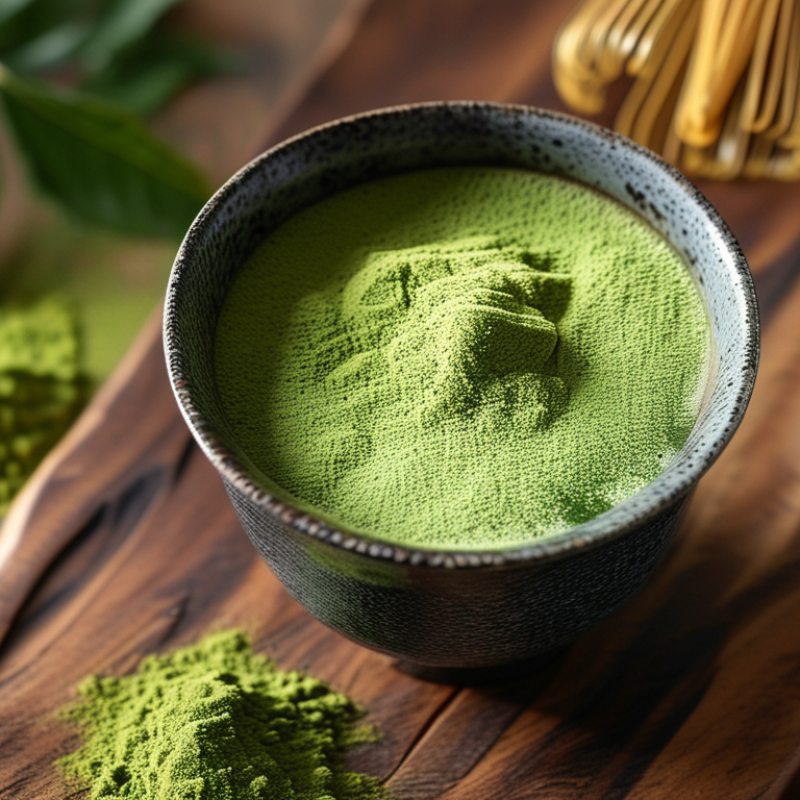
When purchasing matcha powder, several key factors play a crucial role. Firstly, the color of matcha is a strong indicator of its quality. Premium matcha usually features a vibrant, bright green hue. A dull or yellowish color suggests lower quality. The color derives from the shading process during cultivation. This method boosts chlorophyll levels, enhancing flavor and nutrients.
Another vital factor is texture. High-quality matcha powder should feel silky and smooth. If it feels gritty, it may not be the best choice. When visually inspecting matcha, find a fine, powdery consistency. This texture allows for better mixing and a smoother taste. The taste itself is also essential. Quality matcha tends to have a rich, umami flavor, rather than bitterness.
Packaging can also reflect freshness. Look for matcha stored in opaque, airtight containers. Light and air can degrade the powder quickly. Consumption should be as fresh as possible for the best nutritional benefits. Trying small amounts from various sources can also help validate your choice. Personal preference matters greatly when selecting the right matcha.
Top 5 Tips for Choosing the Best Matcha Powder
| Tip | Description | Key Factors |
| 1. Check the Color | High-quality matcha should have a vibrant green color, indicating freshness and nutrient content. | Color, Freshness |
| 2. Assess the Texture | The powder should be fine and silky; gritty texture indicates lower quality. | Texture, Quality |
| 3. Evaluate the Aroma | Good matcha has a sweet, grassy aroma, signaling freshness and quality. | Aroma, Freshness |
| 4. Consider the Origin | Matcha from Japan, especially Uji, is generally recognized for its quality. | Origin, Authenticity |
| 5. Analyze the Ingredients | Ensure that the matcha contains only pure green tea leaves without additives. | Ingredients, Purity |
Identifying Quality Indicators in Matcha Powder
Choosing the right matcha powder involves looking for key quality indicators. The vibrant green color should be bright and fresh. Dull or yellowish hues indicate lower quality. According to the U.S. Matcha Association, premium matcha retains its green color due to high pigment levels. This is often a sign of careful harvesting.
A smooth, fine texture is another indicator of quality. Quality matcha feels silky when touched. Coarse or gritty powders suggest poor processing. Evaluating the aroma is also crucial. High-grade matcha has a sweet, vegetal scent. If it smells stale or musty, it may not be fresh.
When selecting matcha, consider sourcing practices. Authentic matcha comes from shaded tea leaves, enhancing flavor and nutrients. The region also matters; matcha from Uji, Japan, is known for its excellence.
Tip: Always check for specifics on the packaging. Look for harvest date and origin. Knowing this ensures you buy the freshest product. Freshness significantly impacts flavor and health benefits in matcha. Understanding these quality indicators can lead to a better matcha experience.
Evaluating Origin and Production Methods of Matcha
When choosing matcha powder, understanding its origin and production methods is crucial. The geographical location of the tea plants significantly impacts the flavor and color. For instance, matcha from Uji in Japan is often regarded as top-tier due to its unique climate and rich soil. Studies show that this region produces matcha with higher levels of antioxidants compared to others.
The production process also plays a vital role. The best matcha is typically shade-grown for several weeks before harvest. This method increases chlorophyll levels and alters amino acid profiles, creating that desirable umami flavor. Reports indicate that ceremonial-grade matcha requires meticulous hand-picking, ensuring only the youngest leaves are selected. This process can be labor-intensive, driving up the quality and cost.
Other factors, such as the grinding method, cannot be overlooked. Traditionally, stone grinding is preferred. Studies suggest that this technique preserves the delicate flavors and nutrients that can be lost in high-heat grinding. However, many consumers may not be aware of these differences, leading to decisions based on appearance rather than quality. Exploring these aspects can help consumers make informed choices when selecting matcha powder.
Tips for Storing and Using Matcha for Optimal Freshness
When it comes to matcha powder, freshness significantly affects its taste and health benefits. Proper storage can enhance its longevity. Choose an airtight container to block moisture and light. Avoid plastic bags, as they can trap moisture and degrade the matcha. Opt for a dark glass jar or a ceramic container.
Keep your matcha in a cool, dry place. A pantry works well, but avoid areas near the stove or oven. Heat can diminish its quality. If possible, refrigerate it for added freshness, especially in warm climates. Remember, exposure to air can change its flavor profile.
Using matcha properly also matters. Start with a small amount and gradually increase it to match your taste. Whisking the powder correctly helps achieve a smoother texture. If clumps form, a fine sieve can help. Enjoying your matcha promptly ensures you benefit from its vibrant flavor and nutrients. Reflect on how long you've had your matcha; older powder may not taste as good and could lose its benefits.
Top 5 Tips for Choosing the Best Matcha Powder
This chart illustrates the importance of various factors when selecting matcha powder based on consumer feedback. The ratings are based on a scale from 1 to 10, with 10 being the highest preference.
