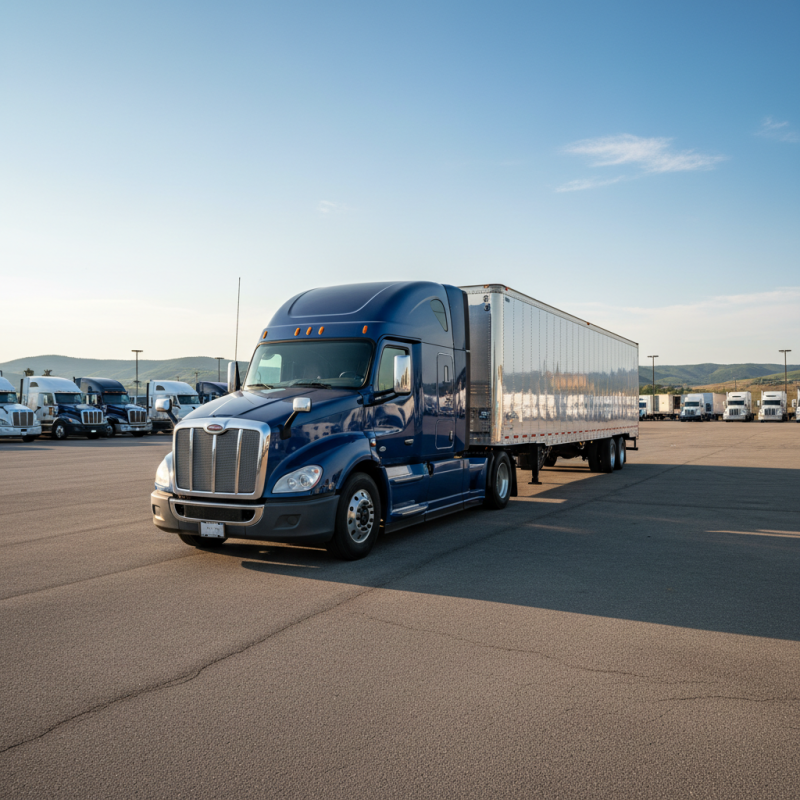
Top 10 Tips for Buying a Truck and Trailer for Sale?
Buying a truck and trailer for sale is a significant investment that demands careful consideration. The right choice can enhance your transport efficiency and save you money. However, too many buyers rush into a decision, leading to regrets later.
When looking for a truck and trailer for sale, it's essential to evaluate what you need. Think about your hauling requirements, size, and the type of loads you'll transport. Pay attention to features such as towing capacity and safety ratings. Ignoring these aspects can cause problems down the road.
Also, consider your budget. A cheaper truck and trailer may seem appealing, but it might compromise durability and performance. Reflect on long-term costs like maintenance and repairs. It's vital to strike a balance between affordability and quality to avoid future hassles. Careful planning can save you from a regrettable purchase.
Understanding Your Needs: Size, Purpose, and Budget Considerations
When considering the purchase of a truck and trailer, understanding your needs is paramount. Assess the size based on your typical cargo. For example, a standard 20-foot trailer can carry up to 10,000 pounds, which may suffice for many hauling tasks. However, if you plan to transport heavier loads, you might need a larger setup. According to the American Trucking Associations, freight demand has been increasing, which directly influences the size of vehicles needed.
Next, define the purpose of your truck and trailer. Are you using it for personal projects or commercial purposes? A report from the Bureau of Transportation Statistics shows that over 80% of freight is carried by trucks in the U.S. This statistic highlights the importance of selecting vehicles that fit your business requirements. Additionally, consider your budget. A new truck and trailer can cost upwards of $50,000. Used models may be appealing, but they often come with hidden maintenance costs. Reflect carefully on the overall value and operational costs before making a decision.
Top 10 Tips for Buying a Truck and Trailer
This bar chart illustrates the importance level of various considerations when buying a truck and trailer. Each factor is rated on a scale of 1 to 10, with 'Budget' and 'Purpose' being the most critical factors to keep in mind.
Researching Truck and Trailer Types: Differences and Best Uses
When considering a truck and trailer, understanding their types is crucial. Trucks vary from light-duty models to heavy-duty beasts. Light-duty trucks are perfect for small loads and city driving. They are often easier to handle and maintain. In contrast, heavy-duty trucks excel in tough terrains and large hauls. Their size and power come with increased costs and maintenance needs.
Trailers also come in many forms, each serving a specific purpose. Flatbed trailers are versatile and can carry various loads. Enclosed trailers protect cargo from weather. However, they can be more expensive and may limit cargo types.
It’s essential to reflect on your needs. What will you haul? How far do you travel? Are you comfortable with large vehicles? Overestimating your requirements could lead to unnecessary expenses. Conversely, underestimating can strain your operations. Finding the right balance is often challenging but vital for long-term success. Proper research can save time and money, yet it requires effort and honest reflection about your choices.
Evaluating Key Features: Engine Power, Payload Capacity, and Towing Specs
When evaluating a truck and trailer, engine power is crucial. A strong engine allows for easier towing and better performance. Look for specifications like horsepower and torque. These numbers indicate the capability of the vehicle. A powerful engine can handle heavy loads effortlessly. However, remember that more power often means greater fuel consumption. Balancing those two aspects is vital.
Payload capacity is another key feature. This tells you how much weight your truck can carry. Check the gross vehicle weight rating (GVWR). It includes passengers and cargo. Be aware of the limits to avoid overloading, which may lead to safety issues. A trailer also has a payload capacity. Considering both is essential for efficient hauling.
Towing specifications are equally important. Look for the truck's towing capacity, which varies greatly. Factors like the hitch type and axle ratio influence this. If you plan to haul heavy items, choosing a model with higher towing specs is wise. But remember, some trailers may require special towing setups. It’s worth reflecting on your actual needs, as getting a truck or trailer that's too powerful can lead to unnecessary expenses.
Top 10 Tips for Buying a Truck and Trailer for Sale - Evaluating Key Features
| Feature | Description | Recommended Range |
| Engine Power | Measure of the engine's output, impacting performance and efficiency. | 200-400 HP |
| Payload Capacity | Maximum weight the truck can carry in addition to its own weight. | 1,500-3,000 lbs |
| Towing Capacity | Weight that the truck can safely tow behind it. | 5,000-15,000 lbs |
| Fuel Efficiency | Miles per gallon (MPG) the truck can achieve. | 15-25 MPG |
| Brake System | Type of braking mechanism used for safety and control. | Disc Brakes Preferred |
| Cab Size | Amount of space inside the cab, affecting comfort. | Regular, Double, or Crew Cab |
| Bed Length | Length of the truck bed, affecting cargo storage. | 5.5 to 8.5 ft |
| Drive Type | Indicates whether the truck is 2WD or 4WD for traction. | 2WD or 4WD |
| Warranty | Coverage period for repairs, indicating reliability. | 3-5 Years |
| Safety Features | Elements such as airbags and stability control. | ABS, Traction Control |
Inspecting Condition: What to Look for in Used Vehicles
Inspecting the condition of a used truck and trailer is crucial. Start by examining the exterior. Check for rust, dents, or signs of previous accidents. A well-maintained vehicle often shows minimal wear. Inspect the tires closely. Uneven tread can indicate alignment issues. Look for cracks or bulges, which can be dangerous.
Moving to the interior, assess the cabin. Ensure the seats are in good condition and check for cleanliness. Smells can reveal hidden issues. A strong odor might indicate water damage or mold. Test all controls and electronics. Make sure everything operates smoothly.
Don't overlook the mechanical aspects. Check for leaks in the engine area. Listen for unusual noises during a test drive. If it struggles to accelerate, that’s a red flag. Review the vehicle's maintenance history: regular oil changes and service records are a good sign. A lack of documentation might raise concerns about past repairs and treatment.
Negotiating the Purchase: Pricing Strategies and Financing Options
When negotiating the purchase of a truck and trailer, understanding pricing strategies is key. Do your research on market prices beforehand. Analyze similar models and their features. This will help you establish a target price. Sticking to your budget is crucial. You may feel tempted to overspend, especially when financing options surface.
Financing can play a big role in your decision-making. Explore different loan options available. Calculate your monthly payments carefully. A low down payment might seem attractive, but it can lead to long-term financial strain. Watch out for hidden fees in contracts. They can add to the overall cost significantly.
Negotiation is an art. Confidence is important, yet don’t rush. Sometimes, the best deal takes time. Don’t hesitate to walk away if the price doesn’t feel right. Reflect on what you truly need versus what seems appealing. After all, this truck and trailer should serve your needs for years to come, not just fulfill a moment's desire.