What is a Sprayer Nozzle and How Does it Work?
Sprayer nozzles are critical components in various agricultural and industrial applications. According to a report by the American Society of Agricultural and Biological Engineers, efficient sprayer nozzles can improve application accuracy by up to 85%. This highlights their importance in minimizing waste and maximizing efficacy. The type of nozzle used can significantly influence droplet size, distribution, and coverage.
These components are available in various designs, each tailored for specific tasks. Performance can vary widely based on conditions, such as pressure and fluid type. However, even the most advanced sprayer nozzles may not achieve perfect results under all situations. Regular maintenance and calibration are essential to ensure optimal functionality.
Understanding how sprayer nozzles work is vital for achieving desired outcomes in pest control, fertilization, and painting applications. Despite advancements, challenges persist, such as nozzle wear and uneven spray patterns. These factors reinforce the necessity of ongoing research and education in the field.
What is a Sprayer Nozzle and Its Purpose in Agricultural Applications?
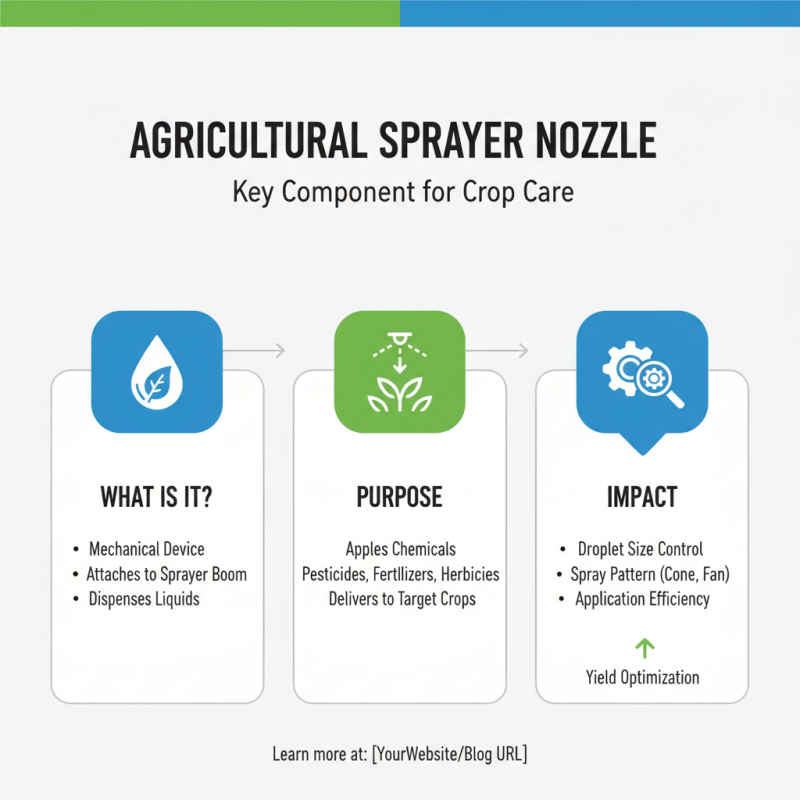
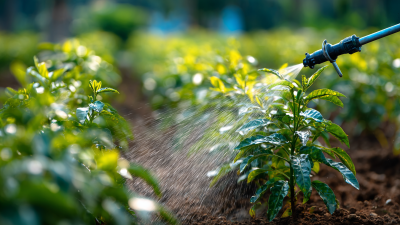
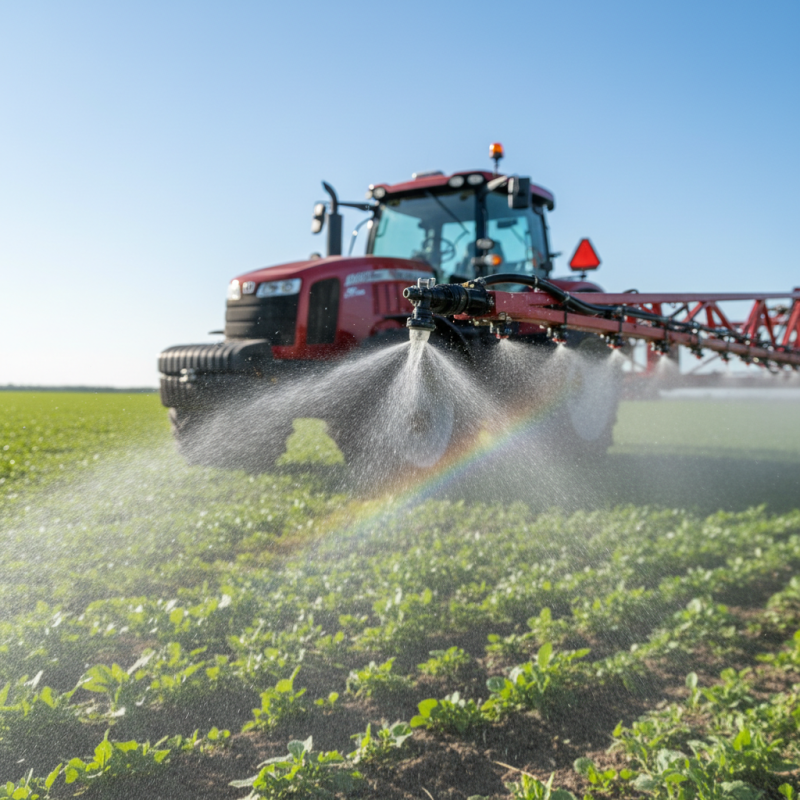
A sprayer nozzle is a critical component in agricultural applications. It plays a key role in applying pesticides, fertilizers, and herbicides. The design of the nozzle influences the droplet size and spray pattern. This directly affects how effectively the chemicals reach the target crops. Understanding how nozzles operate can enhance application efficiency.
Different types of nozzles serve specific purposes. Some create fine mist for better coverage, while others produce larger droplets to reduce drift. Farmers must choose the right nozzle for their needs. This decision can be challenging; using the wrong nozzle may lead to wasted resources or ineffective treatment. Often, farmers rely on experience to make these choices, but not all are aware of the latest nozzle technology.
Improper nozzle selection can result in adverse effects. For instance, too fine a spray can drift off-target, harming nearby plants or waterways. Conversely, a coarse spray may not penetrate dense foliage. This highlights the need for continuous learning in agricultural practices. Methodically assessing nozzle performance can lead to improvements. However, some may overlook this step, leading to suboptimal crop protection and crop yield.
Types of Sprayer Nozzles: An Overview of Common Variations Used Today
Sprayer nozzles play a crucial role in agriculture, gardening, and various industrial applications. They disperse liquid solutions like pesticides, herbicides, or fertilizers. Different types of nozzles achieve diverse spray patterns and droplet sizes, tailoring applications to specific needs.
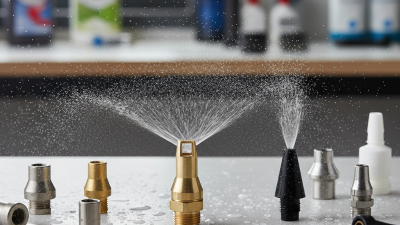
Common types of sprayer nozzles include flat fan nozzles, adjustable spray nozzles, and rotary nozzles. Flat fan nozzles are excellent for broad coverage. They produce a uniform spray pattern, making them popular for turf applications. Adjustable spray nozzles allow users to change the spray angle and droplet size. This flexibility is useful in different terrains and crops.
However, selecting the right nozzle isn’t straightforward. Not all nozzles function well in every condition. Environmental factors like wind and humidity impact performance. In some cases, using the wrong nozzle can lead to waste and ineffective application. Understanding these nuances can help in making better decisions.
How Sprayer Nozzle Design Affects Droplet Size and Distribution
Sprayer nozzles are critical in determining how liquid is applied in various settings. Their design plays a pivotal role in droplet size and distribution. A larger orifice can generate bigger droplets, while a smaller one typically produces finer mist. This difference is not trivial; it affects coverage and effectiveness dramatically.
When nozzles disperse droplets, the angle of spray matters too. Wide angles cover more area but may lead to uneven distribution. In contrast, narrow angles direct liquid more precisely but may miss spots. Over time, this could lead to issues with pest control or nutrient delivery in agriculture. Observing these details can reveal the nuances in application efficiency and crop health.
A nozzle that seems ideal may not be in all conditions. Environmental factors, such as wind and humidity, also alter performance. Understanding this relationship requires careful evaluation. Using the right nozzle can amplify benefits, but even the slightest oversight can lead to challenges and wasted resources.
Key Factors Influencing Sprayer Nozzle Performance and Efficiency
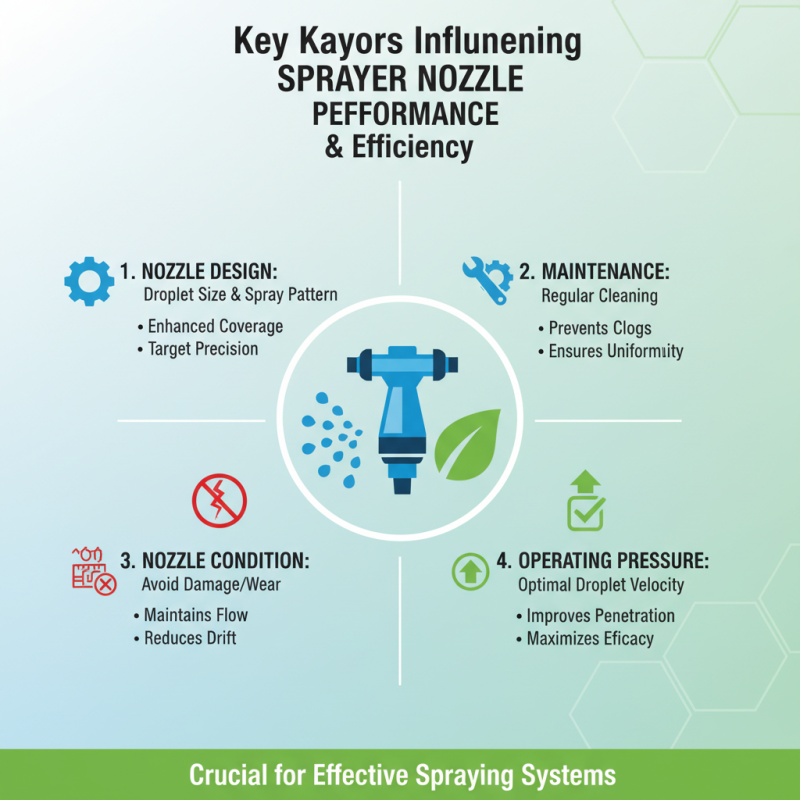
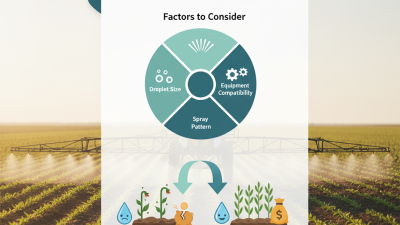
Sprayer nozzles play a crucial role in the effectiveness of spraying systems. Their performance relies heavily on several key factors. One major aspect is the nozzle design, which influences droplet size and spray pattern. A proper design can enhance coverage and target precision. If the nozzle is damaged or clogged, efficiency drops significantly. Regular maintenance is essential to ensure optimal performance.
Another important factor is the fluid properties being sprayed. Viscosity and surface tension affect how the liquid behaves once it exits the nozzle. For instance, thicker liquids may require a different nozzle type. Additionally, environmental conditions like wind speed and temperature can alter the spray pattern. Users must consider these elements to achieve effective application rates.
Lastly, the pressure at which the liquid is discharged plays a vital role. Higher pressure can create smaller droplets, improving reach but potentially leading to drift. Finding the right balance is key. Experimenting with different settings may help identify the ideal configuration. Each situation is unique, and constant adaptation is necessary for optimal results.
Maintenance and Calibration: Ensuring Optimal Functionality of Nozzles
Maintaining and calibrating sprayer nozzles is crucial for their functionality. Regular checks prevent clogs that affect spray patterns. A clogged nozzle can lead to uneven application, which may waste resources and time. This problem often goes unnoticed until it's too late.
Calibration is the next important step. Proper calibration ensures the nozzle delivers the right amount of liquid. Every sprayer operates differently, and environmental conditions can alter performance. It’s vital to readjust settings for specific tasks. Neglecting this can result in either over-application or under-application, affecting both health and crop yield.
Additionally, cleaning routines should not be overlooked. Simple practices, like rinsing nozzles after use, can extend their lifespan. This small yet vital detail is frequently ignored. Users often underestimate it. Proper maintenance isn't just about fixing problems; it's about proactive care. A little attention today can prevent major issues tomorrow.
What is a Sprayer Nozzle and How Does it Work? - Maintenance and Calibration: Ensuring Optimal Functionality of Nozzles
| Nozzle Type |
Application |
Flow Rate (GPM) |
Spray Pattern |
Maintenance Frequency |
| Flat Fan Nozzle |
Herbicide Application |
0.5 - 10.0 |
Flat |
Every 100 hours |
| Cone Nozzle |
Fungicide Application |
0.2 - 5.0 |
Conical |
Every 50 hours |
| Flood Jet Nozzle |
Thick Liquid Fertilizers |
1.0 - 20.0 |
Flood |
Every 150 hours |
| Air-Induction Nozzle |
Pesticide Application |
0.3 - 6.0 |
Air-Induced |
Every 100 hours |
| Rotary Nozzle |
General Spraying |
0.5 - 7.0 |
Rotating Cone |
Every 75 hours |