What Is a Spot Sprayer and How Does It Work?

A spot sprayer is a targeted spraying machine designed to treat individual weeds or small problem areas. Instead of covering an entire field, it delivers liquid only where treatment is needed. This approach can reduce chemical use, save time, and protect healthy vegetation nearby.

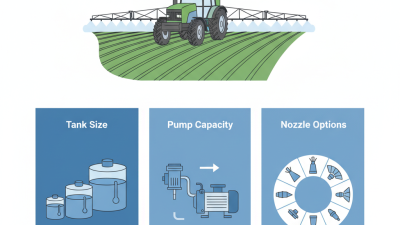
Dr. Erdal Ozkan, a respected spray-technology specialist at The Ohio State University, has stated, “The nozzle is the most important component of a sprayer.” His observation explains much of the spot sprayer’s performance. A tank stores the solution, a pump creates pressure, and a sensor, camera, or operator identifies the target. The nozzle then releases a controlled spray pattern. Some systems use GPS mapping or computer vision. Others rely on a handheld wand and careful judgment.

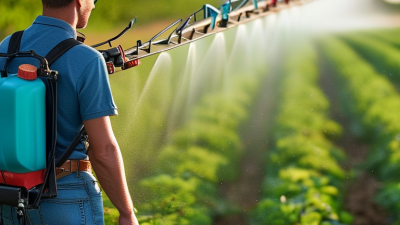
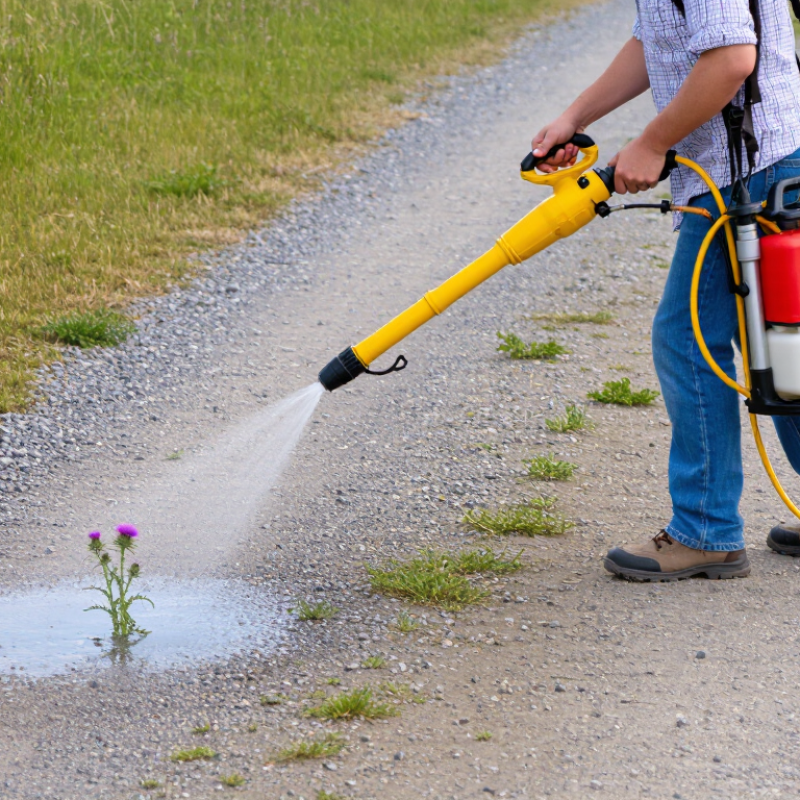
Imagine walking along a gravel driveway with a backpack unit. A yellow nozzle opens briefly above one thistle, leaving a small wet patch instead of a soaked roadside. That precision sounds simple, but it depends on calibration, wind conditions, nozzle selection, and operator experience. A poorly adjusted spot sprayer may miss the weed or create unwanted drift. Mistakes happen.

This guide explains how the equipment works, where it performs well, and what its limits are. It also considers practical details, including tank capacity, pressure settings, maintenance, and target recognition. A spot sprayer is not automatically more effective. Its value depends on using the right tool carefully, consistently, and responsibly.
What Is a Spot Sprayer and How Does It Work?

What Is a Spot Sprayer?

A spot sprayer is a small, targeted machine for treating weeds, pests, or plant diseases in specific areas. It usually includes a tank, pump, hose, wand, filter, and adjustable nozzle. Unlike a broadcast sprayer, it releases liquid only where treatment is needed. This can protect nearby plants and reduce unnecessary coverage.

The FAO AQUASTAT database reports that agriculture accounts for about 70% of global freshwater withdrawals. This figure explains why targeted application matters. A spot sprayer can lower water and product use when operators avoid healthy ground. Field experience also shows that nozzle choice changes results. A narrow stream reaches one weed, while a fan pattern covers a wider patch. Wind remains a problem. Even careful spraying can drift.

Tips: Check the nozzle before each job. Walk slowly, keep the wand close, and avoid windy conditions. Measure the tank volume accurately. Follow the product label and wear suitable protective equipment. Clean the filter after use. Never assume a stronger mixture works better.

A 2023 USDA Economic Research Service report describes precision agriculture as an expanding method for improving farm input decisions. Spot spraying fits this approach because it connects observation with selective action. Still, it is not a perfect tool. Uneven walking speed can create missed weeds or overlapping spray. A simple map, field notes, and repeated inspection can improve consistency.

What Are the Main Components of a Spot Sprayer?

A spot sprayer is a compact system for applying liquid to small, targeted areas. Its main component is the tank, which stores the diluted spray mixture. Many tanks use translucent plastic, allowing the operator to check the liquid level quickly. A secure lid helps prevent splashing during transport. Inside the tank, an intake line connects to a strainer. This simple filter blocks debris before it reaches the pump.

The pump creates pressure and moves liquid through the hose. Electric pumps commonly use a battery, switch, and wiring, while other systems may use mechanical power. A pressure regulator controls the flow and protects the lines from excessive pressure. The hose carries liquid to a hand wand, trigger gun, or small spray boom. At the end, the nozzle shapes the spray pattern. Different nozzles can produce a narrow stream or a wider fan. The control handle starts or stops application without returning to the tank.

It sounds simple. It is not.

In practical use, the nozzle often determines the final result more than expected. A partly blocked nozzle can create uneven coverage and wasted liquid. I once underestimated the importance of rinsing the strainer after every use. That small omission reduced pump performance noticeably. Operators should inspect seals, hose connections, wiring, and pressure readings before spraying. Clear labels on the tank also reduce mixing mistakes. Even a reliable component can fail when maintenance becomes an afterthought.

How Does a Spot Sprayer Operate Step by Step?

A spot sprayer delivers liquid only where treatment is needed. Its small tank, pump, hose, trigger gun, and nozzle work together in a controlled sequence. This focused approach can reduce waste, especially when treating weeds in field edges, orchards, or uneven patches.

How does a spot sprayer operate step by step? The operator checks the tank, filter, hose, and nozzle for damage. The tank is filled with clean water first. The correct product is then added according to its approved label. A pump draws liquid from the tank and sends it through the hose. Pressure pushes the liquid through the nozzle as a narrow stream or fan. The operator aims at the target plant, squeezes the trigger, and releases it immediately after coverage is achieved. This simple control prevents unnecessary spraying. USDA’s 2022 Census of Agriculture recorded over 880 million acres in farms across the United States, showing why small-area efficiency matters. FAO also reports that agriculture uses about 70% of global freshwater withdrawals. Careful application has practical value.

Tips: Calibrate the nozzle before work. Measure the output for one minute. A nozzle chart may still mislead you if pressure changes. Check coverage on a small area first. Keep the spray pattern low and steady. Clean the tank, filter, and nozzle after use. I would not skip this step; residue can alter the next application and damage equipment. Calibration also deserves a second look, because operator speed often changes the real application rate.

What Is a Spot Sprayer and How Does It Work? — How Does a Spot Sprayer Operate Step by Step?

Step Operating Stage What Happens Main Components Involved Practical Outcome
1 Tank Filling The operator fills the tank with water and adds a properly measured spray solution according to the product label. Chemical tank, fill opening, strainer, measuring container A diluted liquid mixture is prepared for targeted application.
2 System Inspection The hose, fittings, filter, spray wand, nozzle, battery or power connection, and tank cap are checked for damage, blockage, or leaks. Hose, filter, fittings, wand, nozzle, power supply The sprayer is ready to operate safely and efficiently.
3 Pump Activation When the control switch is turned on, the pump draws liquid from the tank and creates pressure in the delivery line. Electric or engine-driven pump, intake line, pressure switch Liquid begins moving from the tank toward the spray outlet.
4 Pressure Regulation The operator adjusts the pressure or flow control to match the application task and nozzle type. Pressure regulator, bypass line, control valve, pressure gauge The spray pattern and application rate become more consistent.
5 Liquid Delivery Pressurized liquid travels through the hose to the hand wand, trigger gun, or boom section. Delivery hose, valve, trigger handle, boom line The spray solution reaches the selected application point.
6 Nozzle Atomization The nozzle converts the liquid stream into droplets and shapes the spray according to its design and operating pressure. Spray tip or nozzle, nozzle body, cap A controlled spray pattern is produced for spot treatment.
7 Targeted Application The operator directs the spray only at the intended weed, pest, stain, or small treatment area while maintaining a suitable distance. Wand or trigger gun, nozzle, operator controls The treatment is applied to a localized area with less unnecessary coverage.
8 Flow Shutoff Releasing the trigger closes the outlet valve and stops the spray. Many systems then reduce pump activity through pressure control. Trigger valve, shutoff valve, pressure switch, pump Spraying stops promptly, helping reduce drips and over-application.
9 Tank Monitoring The operator monitors the tank level and checks the spray pattern during use to identify low liquid, blockage, or uneven output. Tank gauge or sight line, filter, nozzle, pressure control Application quality remains more uniform throughout the task.
10 Rinsing and Storage After use, the tank and spray system are rinsed as required, the lines are drained safely, and the equipment is stored in a protected location. Rinse water, tank, hose, nozzle, drain point Chemical residue and the risk of corrosion, clogging, or cross-contamination are reduced.

Key principle: A spot sprayer uses a tank, pump, hose, control valve, and nozzle to deliver a measured liquid spray to a specific area rather than treating an entire field or surface. Always follow the product label, wear the required personal protective equipment, and avoid spraying in unsuitable wind or weather conditions.

Where Are Spot Sprayers Commonly Used?

A spot sprayer is a compact system designed to treat small, specific areas. It usually includes a tank, pump, hose, and adjustable nozzle. The pump pushes liquid through the hose, while the nozzle controls the spray pattern and flow. Operators can target one weed, plant row, fence line, or patch of ground instead of treating an entire area.

Spot sprayers are common on small farms, vegetable gardens, orchards, and pasture edges. They are useful when unwanted plants appear in scattered locations. Grounds crews also use them around paths, storage areas, sports fields, and drainage borders.

Homeowners may use smaller models for garden beds or isolated weed growth. They are practical where a large sprayer would waste time and liquid.

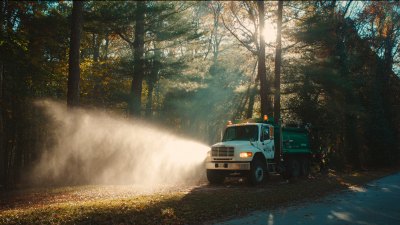
Roadside maintenance teams sometimes use spot sprayers near signs, gravel shoulders, and difficult corners. However, nearby drains, ponds, pets, and desirable plants require careful attention. A visible target does not always mean easy treatment. Wind can carry fine droplets, and uneven pressure can cause poor coverage. I have found that checking the nozzle before work prevents many problems. It is easy to assume a sprayer is accurate. It is not always. Operators should follow the product label, wear suitable protective equipment, and clean the system after use. A brief calibration check can make each application more controlled.

What Factors Affect Spot Sprayer Performance?

What Is a Spot Sprayer and How Does It Work?

A spot sprayer delivers liquid only where treatment is needed. It usually uses a tank, pump, hose, wand, and adjustable nozzle. The pump creates pressure, pushing liquid through the nozzle in a controlled spray pattern. Operators can target weeds, fence lines, garden beds, or isolated pests without covering the entire area. In practice, accurate targeting depends on steady hand movement and a clear view of the spray zone.

What Factors Affect Spot Sprayer Performance?

Nozzle selection strongly affects coverage, droplet size, and drift risk. Higher pressure may create finer droplets, but excessive pressure can reduce control. Walking or driving speed also matters. Moving too quickly leaves weak coverage, while moving too slowly applies too much liquid. Wind can carry spray away from the target, even during a short application. Liquid thickness, clogged filters, low battery power, and uneven ground can create inconsistent results. I have found that a sprayer may appear reliable until its pressure changes halfway through a job. That detail is easy to miss.

Tips: Calibrate the sprayer with clean water before use. Mark a small test area and check the spray pattern. Keep the nozzle at a consistent height. Clean the filter and nozzle after each session. Follow the product label, wear suitable protective equipment, and avoid spraying near people, pets, or water. One careful test is worth repeating the entire job.