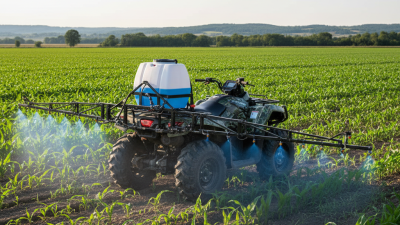
What is a Spot Sprayer and How Does It Work?
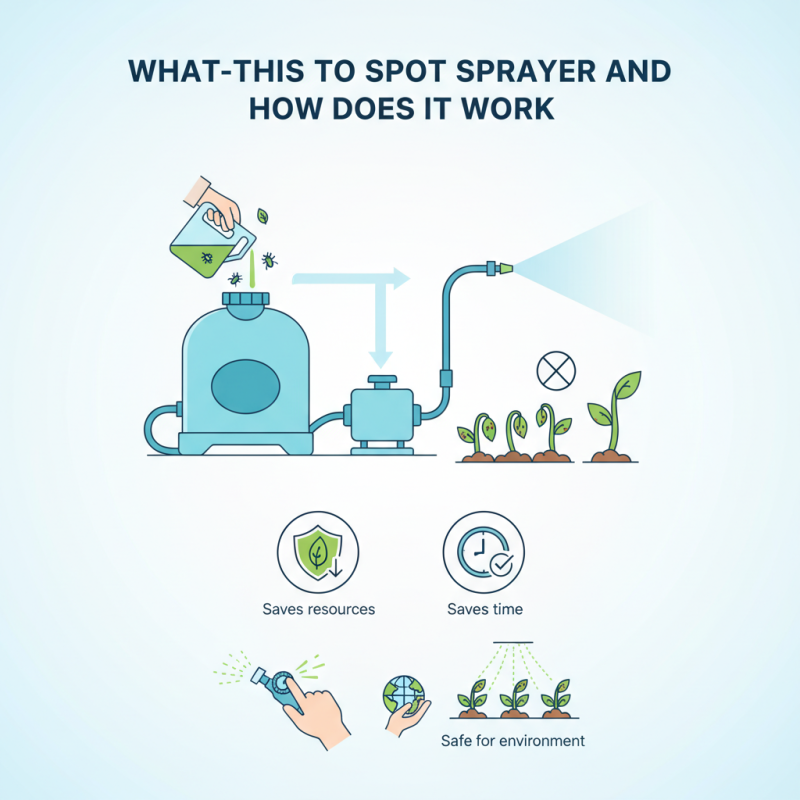
A spot sprayer is a versatile tool designed for targeted applications of herbicides, pesticides, and fertilizers. Its compact nature makes it ideal for small areas. Farmers and gardeners use it to address specific problems without treating the entire field or garden. This targeted approach saves both time and resources.
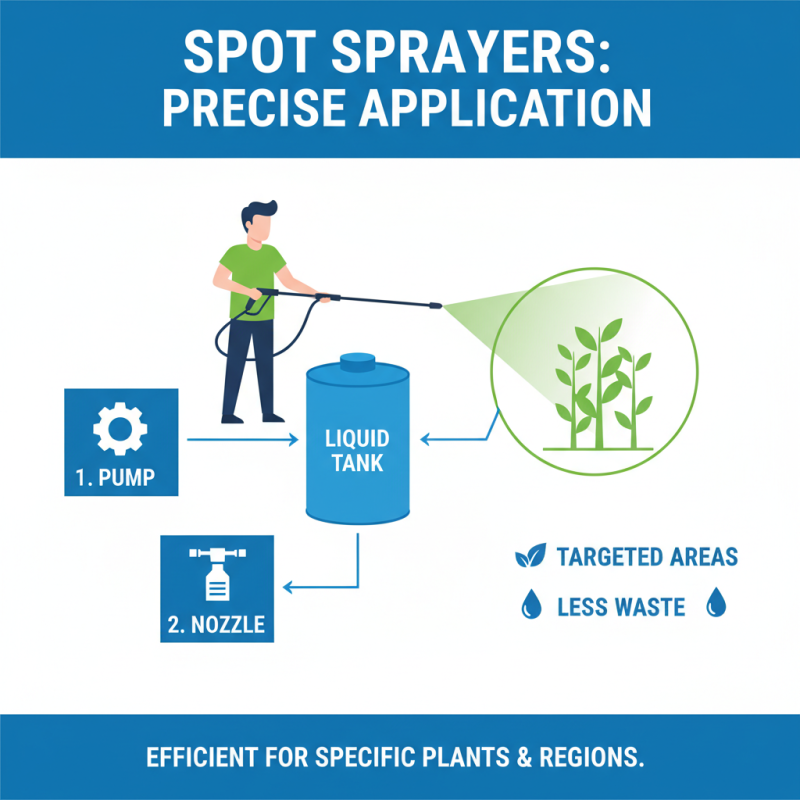
Understanding how a spot sprayer works can unlock its full potential. Typically, it consists of a tank, a pump, and a nozzle. The operator fills the tank with the desired solution. The pump pressurizes the liquid, allowing it to spray through the nozzle. Users can adjust the spray pattern for precise application.
However, using a spot sprayer requires careful handling. Owners must ensure they are applying the right amount. Overapplication can harm plants and the environment. Often, people may not consider the impact of their actions. Reflecting on safe practices and their importance is crucial for effective spot sprayer use.
What is a Spot Sprayer?
A spot sprayer is an essential tool in modern agriculture and gardening. It allows users to target specific areas without spraying the entire field or garden. This method is efficient, reduces chemical waste, and minimizes environmental impact. Reports show that targeted spraying can save up to 50% of pesticides compared to traditional methods.
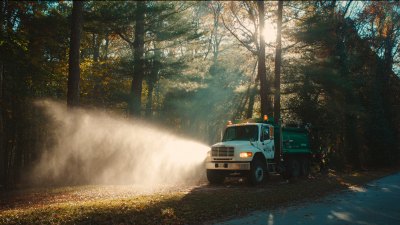
Spot sprayers come in various sizes and designs, making them versatile for both small and large applications. These devices can be mounted on vehicles or carried manually. Many models feature adjustable spray patterns, which provide flexibility in application. Users can easily switch from a concentrated stream to a fine mist, depending on their needs.
**Tips:** Always calibrate your sprayer before use. This ensures accuracy in application rates. Regular maintenance is crucial for optimal performance. Clean nozzles to prevent clogs and consider using biodegradable products when possible. Targeting specific areas helps ensure that plants receive the right amount of treatment. However, improper use can lead to over-spraying. Such actions can disrupt the local ecosystem. Be mindful of wind conditions to prevent drift and unintended damage to non-target plants.
Spot Sprayer Performance Metrics
This chart illustrates the performance metrics of a Spot Sprayer, showcasing its efficiency, cost per acre, water usage, and coverage area. The data highlights the advantages of using spot sprayers in agricultural applications.
Components of a Spot Sprayer
A spot sprayer is an efficient tool used in agriculture and landscaping. Its primary function is to target specific areas for spraying. This can include herbicides, pesticides, and fertilizers, focusing on patches that require treatment. Spot sprayers minimize chemical use and reduce environmental impact.
Key components of a spot sprayer include a tank, pump, and spray nozzle. The tank holds the liquid to be sprayed. A typical tank can range from 15 to 50 gallons, depending on the need. The pump is crucial, pressurizing the liquid to ensure proper spray coverage. Many modern sprayers use diaphragm or gear pumps, which are both reliable and easy to maintain. Spray nozzles, available in various types, allow for customization of the spray pattern and droplet size. A well-chosen nozzle can improve efficiency, achieving up to 90% coverage on targeted areas.
Despite their advantages, spot sprayers have limitations. They can sometimes struggle with uneven terrain, leading to inconsistent applications. Users may find it challenging to manage larger areas effectively. Research shows that proper calibration of the equipment can enhance accuracy. According to the Agricultural Research Service, inefficiencies in spraying can lead to an estimated 20% waste of chemicals. Regular maintenance of these components is vital. Neglect may result in reduced performance and increased costs over time.
Applications of Spot Sprayers in Agriculture and Gardening
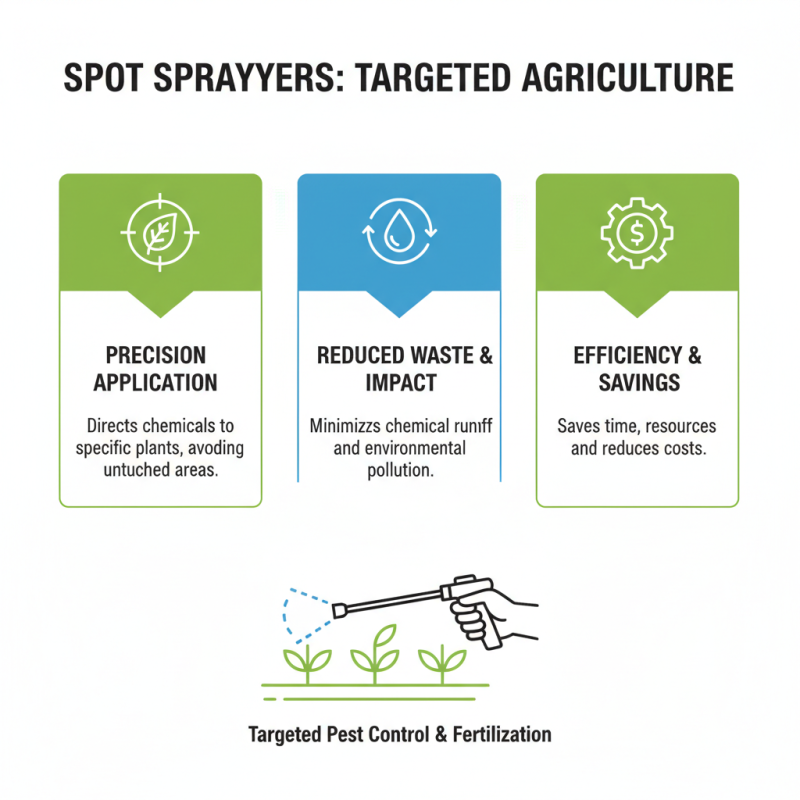
In agriculture and gardening, spot sprayers have gained popularity for their targeted approach to pest control and fertilization. These sprayers allow users to apply chemicals directly to specific plants or areas, minimizing waste and environmental impact. Farmers can focus on problem spots, ensuring that healthy plants remain untouched. This method enhances efficiency, saving both time and resources.
Using a spot sprayer requires careful calibration. Operators need to adjust the nozzle settings for different plant types. The spray pattern must cover the intended area without overspray. Miscalculations can lead to under-dosing or over-dosing, affecting plant health. Precision is key, yet it can be challenging to achieve, especially for those new to this technique.
Spot sprayers are versatile tools in gardening. They are effective for treating weeds and diseases in flower beds or vegetable gardens. However, users must remain vigilant about application timing. Spraying during windy conditions can cause drift, resulting in unintentional damage to neighboring plants. Reflecting on the experience, gardeners often find they need to learn from these missteps to improve future applications.
Benefits of Using a Spot Sprayer Over Traditional Spraying Methods
Spot sprayers are becoming popular in various applications, especially for targeted weed control. They offer distinct advantages over traditional spraying methods. With a spot sprayer, users can target specific plants rather than covering large areas. This greatly reduces the amount of herbicide used. Less chemical runoff into the environment is another key benefit. Precision is essential for environmentally-friendly practices.
Using a spot sprayer means less waste. The sprayer allows for adjustment, delivering the right amount of solution where it's needed. Each application is unique. It can be challenging to master the technique, and one might not always apply the liquid evenly. There are learning curves involved. People often underestimate the setup and calibration required for effective use.
Consumers often find spot sprayers easier to use and manage. However, mistakes can happen. If you don’t calibrate properly, the results can be inconsistent. Some users might rush the process, leading to overspraying or underspraying. Planning is crucial here. Ultimately, while spot sprayers offer flexibility and efficiency, proper care and attention are essential for the best outcomes.
What is a Spot Sprayer and How Does It Work? - Benefits of Using a Spot Sprayer Over Traditional Spraying Methods
| Aspect |
Spot Sprayer |
Traditional Spraying |
| Application Method |
Targeted spraying on specific areas |
General spraying across larger areas |
| Chemical Usage |
Reduced chemical use, minimizing waste |
Higher chemical usage, potential for runoff |
| Precision |
High precision targeting |
Lower precision, wider coverage |
| Labor Intensity |
Less labor-intensive for small areas |
More labor-intensive over large fields |
| Cost Efficiency |
Lower cost due to less chemical and labor |
Higher costs associated with larger application areas |
| Environmental Impact |
Reduced environmental impact due to targeted application |
Higher risk of pollution due to overspray |
| User Skill Level |
Less skill required for effective use |
Higher skill level required for proper application |