Solid State Battery System Tips for Global Buyers to Consider
The Solid-State Battery System is emerging as a pivotal technology in the energy storage and electric vehicle sectors. Renowned expert Dr. Emily Chen, a leading figure in battery research, states, "Solid-state batteries promise improved safety and energy density." This highlights the growing significance of this innovative technology for global buyers.
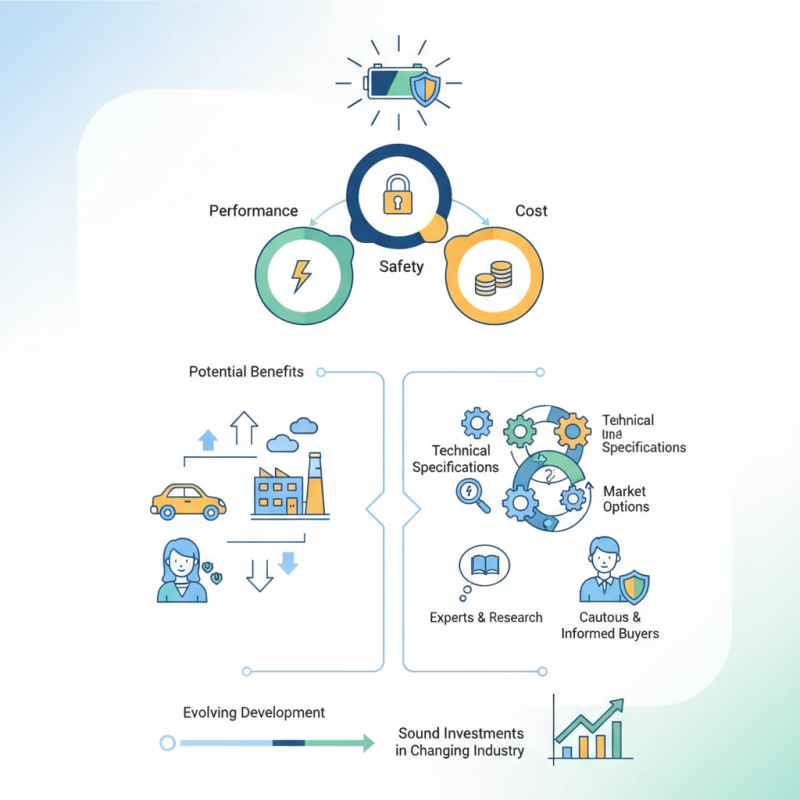
When considering a Solid-State Battery System, it's essential to evaluate various factors. Performance, safety, and cost are critical elements that can influence decisions. Many buyers mistakenly focus solely on the potential benefits without fully understanding the complexities involved in implementation.
Navigating the technical specifications and market options can be daunting. It's crucial to engage with experts and conduct thorough research. While solid-state batteries offer great promise, their development is still evolving. Buyers should remain cautious and informed to make sound investments in this rapidly changing industry.
Understanding Solid State Battery Technology and Benefits
Solid state battery technology represents a significant leap forward in battery performance and safety. Unlike conventional lithium-ion batteries, solid state batteries use solid electrolytes. This change improves energy density and safety while potentially extending battery life. According to a recent report by IDTechEx, solid state batteries could see energy densities exceeding 500 Wh/kg by 2025. This increase allows for lighter applications, furthering their use in electric vehicles and consumer electronics.
In addition to energy density, solid state batteries are inherently safer. The solid electrolytes reduce the risk of leakage and flammability. This is a crucial factor given the rise in electric vehicle adoption. A report from McKinsey highlights that the market for these batteries could surpass $100 billion by 2030. However, manufacturing challenges remain, including scale-up issues and high production costs. These hurdles must be addressed to achieve widespread adoption.
Manufacturers should consider longevity alongside performance. Solid state batteries show potential for longer cycle life, possibly lasting up to 3,000 cycles. However, real-world performance can vary significantly. The technology is still evolving and may require more time before reaching commercial viability. While the promise is significant, buyers should stay informed and skeptical of premature claims in the market.
Solid State Battery System Tips for Global Buyers to Consider
| Specification | Solid State Battery | Traditional Lithium-ion Battery |
| Energy Density (Wh/kg) | 300-500 | 150-250 |
| Cycle Life (cycles) | 2000-5000 | 500-1500 |
| Operating Temperature (°C) | -40 to 60 | -20 to 60 |
| Cost per kWh ($) | 200-300 | 150-200 |
| Safety Rating | Higher | Lower |
| Weight (kg) | Lighter | Heavier |
Key Factors to Evaluate When Choosing a Solid State Battery System
When selecting a solid state battery system, several key factors should be assessed. Understanding the technology’s safety features is crucial. These batteries are generally safer than traditional lithium-ion systems. Consider thermal stability, as this plays a significant role in performance. Look for systems that demonstrate reliable temperature management.
Another important aspect is the energy density. Higher energy density means longer battery life and less frequent recharging. Evaluate how the battery performs under various conditions. Make sure to check the cycle life, as longevity impacts overall cost-effectiveness.
Tips for buyers:
- Look for certifications and testing reports. These documents assure quality and reliability.
- Assess the manufacturer's expertise. Years in the industry often correlate with product reliability.
- Seek systems with a proven track record in real-world applications. Customer reviews can provide deeper insights.
Choosing wisely ensures you invest in a solid state battery system that meets your needs.
Top Manufacturers and Innovators in the Solid State Battery Market
The solid state battery market is rapidly evolving. Several manufacturers are leading this innovative technology. They are focused on creating safer, more efficient energy storage solutions. These batteries promise better performance compared to traditional lithium-ion batteries. Global buyers must stay informed about these key players and their advancements.
Innovators in the solid state battery sector are experimenting with different materials and designs. Some options include using ceramic electrolytes and new anode materials. These experiments sometimes face challenges. For instance, improving energy density while maintaining thermal stability can be complex. Buyers should consider these factors when researching.
As the market grows, competition intensifies. This drives improvements in efficiency and cost. However, not all innovations are successful. Some prototypes may not scale effectively for mass production. It’s important for buyers to evaluate the reliability of manufacturer partnerships. Assessing a company's experience and credibility is key to making informed decisions.
Regulatory and Environmental Considerations for Battery Buyers
When considering a solid-state battery system, regulatory and environmental factors are crucial for buyers. Various regions have specific regulations regarding battery safety, recycling, and environmental impact. Understanding these regulations helps ensure compliance and promotes responsible sourcing. In some cases, regulations can change. Staying updated on the latest requirements is essential for any buyer.
Environmental considerations are equally important. The production of solid-state batteries often involves rare materials. These materials can have significant ecological footprints. Responsible sourcing of raw materials helps reduce harm to the environment. It is wise to consider the entire lifecycle of the battery. This includes its disposal and impact on local ecosystems.
Additionally, awareness of the supply chain is vital. Many suppliers may not prioritize sustainability. Buyers should ask about material sourcing and waste management practices. Transparency in these areas can reflect a company’s commitment to ethical practices. It’s essential for buyers to remain vigilant and reflect on their choices as global demands evolve. This careful consideration can lead to more informed and responsible decisions in the battery market.
Future Trends and Developments in Solid State Battery Systems
Solid state battery systems are gaining attention for their potential to revolutionize energy storage. The shift from traditional lithium-ion batteries to solid state technology may transform various industries. One key trend is the focus on safety. Solid state batteries reduce fire risks, a significant concern with liquid electrolytes. The materials used are non-flammable, providing a safer alternative.
Another crucial development is energy density. Solid state batteries can store more energy in a smaller space. This compactness makes them ideal for electric vehicles and portable devices. Researchers are exploring advanced materials to enhance performance and longevity. However, there are still challenges. Manufacturing processes need to be scaled up to meet rising demand.
Additionally, cost remains a barrier. Solid state batteries often require expensive materials and complex production techniques. As technology matures, costs may decrease, making these systems more accessible. For global buyers, staying informed about these trends is essential. It helps in making smart purchasing decisions. Understanding these developments aids in anticipating future market shifts.
