Complete Sheet Metal Best Practices for Precision and Efficiency?
In the realm of manufacturing, "Complete Sheet Metal" practices play a vital role. Experts emphasize the need for precision and efficiency. John Smith, a renowned sheet metal specialist, once stated, "Efficiency is the lifeblood of quality production." This encapsulates the essence of best practices.
To achieve remarkable outcomes, it's essential to adopt integrated approaches. However, common pitfalls often arise. Many manufacturers overlook the importance of proper tooling and setup. Without meticulous attention to detail, results can vary significantly. Inefficiencies can lead to wasted resources, and lost time compounds the issue.
Embracing the concept of "Complete Sheet Metal" means striving for continuous improvement. It requires ongoing training, careful planning, and a commitment to quality. Many companies find it challenging to balance all these factors. Reflection on past practices often reveals areas for enhancement. In this fast-paced industry, staying ahead demands both precision and a willingness to adapt.
Best Practices for Selecting Sheet Metal Materials
Selecting the right sheet metal materials is crucial for achieving precision and efficiency in manufacturing. Different applications require different properties. Aluminum, for instance, is lightweight and corrode-resistant, but it can be challenging to weld. Stainless steel, on the other hand, offers durability, yet it may be more difficult to form. Each material has its strengths and weaknesses.
Consider the intended use of the final product. Think about factors like weight, corrosion resistance, and strength. A project might benefit from a hard material, but it could lead to additional costs and processing time. Gathering feedback from your production team can reveal insights that might be overlooked.
Sometimes, a less expensive option can perform just as well as a premium one. It’s also wise to evaluate local suppliers. Availability can impact delivery timelines and costs. If a preferred material isn't readily accessible, it may lead to delays. Revisiting your material choices regularly can also reveal new opportunities for efficiency. Trends and advancements in technology can change the landscape of materials. Don't hesitate to adapt your selection.
Techniques for Accurate Sheet Metal Fabrication
Accurate sheet metal fabrication is essential for efficiency and quality. A recent report from the Fabricators and Manufacturers Association highlights that 84% of manufacturers report issues with precision in their metal parts. Many factors contribute to this challenge. For example, inconsistent cutting speeds can lead to varying edge qualities. This inconsistency affects the overall fit and assembly of components.
Investing in training can significantly improve skills in the workplace. Employees trained in the latest techniques show a 30% increase in output quality, according to the Metal Forming Industry report. Adopting advanced technologies like laser cutting and CNC machining leads to tighter tolerances. However, not all companies can afford such technologies. Many still rely on traditional methods, which can result in waste and inefficiency.
Quality control measures are also vital. Regular audits can help identify recurring issues. A survey found that 50% of manufacturers do not conduct sufficient checks, leading to costly reworks. In the pursuit of accuracy, it’s crucial to strike a balance between speed and quality. As the industry evolves, constant reflection on these practices will be necessary. Embracing change may lead to better outcomes.
Tools and Equipment for Sheet Metal Precision
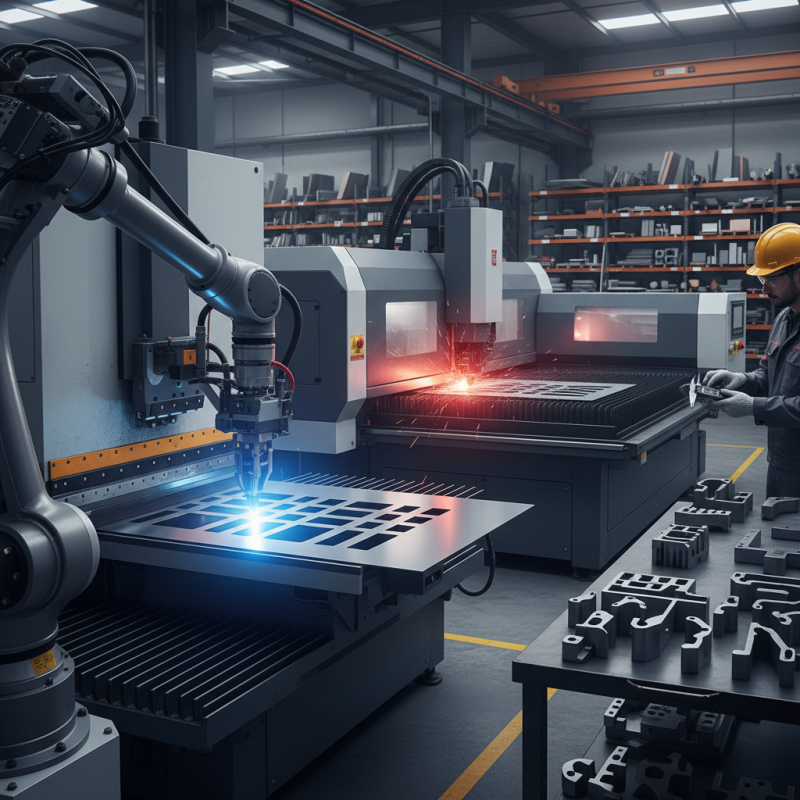
When exploring sheet metal work, the tools and equipment play a crucial role in achieving precision. Various studies highlight that precision tools can increase workflow efficiency by over 30%. Advanced CNC machines allow for incredibly accurate cuts, significantly reducing the margin of error. Investments in reliable tools often yield substantial returns in quality and production output.
Tips: Regular maintenance of tools is vital. A small oversight in upkeep can lead to poor results. Check calibration frequently to ensure accuracy. Poorly maintained tools can undermine intricate designs, causing delays.
Laser cutting is another significant advancement. It offers high precision and reduces material waste by up to 15%. However, the cost of such technology can be daunting for small operations. Balancing expenses with potential efficiency gains is a common dilemma. Ensuring that the equipment meets the specific needs of the project can lead to better resource management.
Tips: Always assess your project's requirements before purchasing new equipment. Sometimes, renting can be more cost-effective than buying. Evaluate your long-term needs and avoid impulsive decisions that could disrupt workflow.
Quality Control Measures in Sheet Metal Production
Quality control is vital in sheet metal production. Effective measures ensure precision and efficiency. Inspecting raw materials is the first step. Checking for imperfections can save time later. For instance, a single flaw can cause delays. Unchecked materials may lead to defective products. This can harm reputation and waste resources.
Utilizing advanced measurement tools is essential. Tools like laser gauges help maintain accurate dimensions. Regular calibration of these tools is a must. Inconsistencies can creep in without proper checks. Employees should be trained to recognize common faults. Simple visual inspections can often catch issues early. However, relying solely on human inspection may not suffice.
Documentation plays a key role in quality control. Keeping a record of inspections helps track patterns. It's beneficial to address recurring problems promptly. Feedback loops between production and quality teams help identify issues. Continuous improvement needs commitment and reflection. Every batch should teach us something. Mistakes are valuable learning opportunities.
Strategies to Enhance Efficiency in Sheet Metal Processes
Enhancing efficiency in sheet metal processes requires a thoughtful approach. One effective strategy involves optimizing machine setups. Proper alignment can reduce setup time dramatically. Regular maintenance of equipment also plays a crucial role. A well-maintained machine operates smoothly, resulting in fewer errors and less downtime.
Another key area is workflow organization. Streamlined workflows can decrease unnecessary movements. For instance, placing tools and materials closer to workstations saves time. However, it's important to periodically reassess this setup. What worked yesterday may not be the best today. Continuous evaluation ensures that processes remain effective.
Employee training is essential for maintaining efficiency. Skilled workers can identify potential issues early. However, not all training programs are equally impactful. Some may miss crucial elements, leaving employees underprepared. Regular feedback sessions can address these gaps, fostering a culture of improvement and adaptability. By prioritizing these strategies, businesses can enhance their efficiency and precision in sheet metal processes.
Complete Sheet Metal Best Practices for Precision and Efficiency
