What is Packaging Machinery and How Does it Work?
Packaging Machinery plays a crucial role in modern manufacturing. Experts stress its significance in ensuring efficiency and product integrity. John Smith, a renowned expert in the field, once stated, "Packaging Machinery is the backbone of production lines, impacting speed and reliability." His insights highlight the importance of this technology.
In the realm of Packaging Machinery, various technologies come to play. These machines automate the packaging process. They enhance speed and reduce human error, which is vital for today's fast-paced industries. However, selecting the right machinery can be challenging. Each product has unique packaging needs, and not every machine fits all.
Despite advancements, concerns linger. Some manufacturers struggle with maintenance and adaptability of their machines. Additionally, staying updated with technology can be overwhelming. As industries evolve, so must their Packaging Machinery. Continuous training and adaptation remain essential for optimal efficiency and productivity.
What is Packaging Machinery?
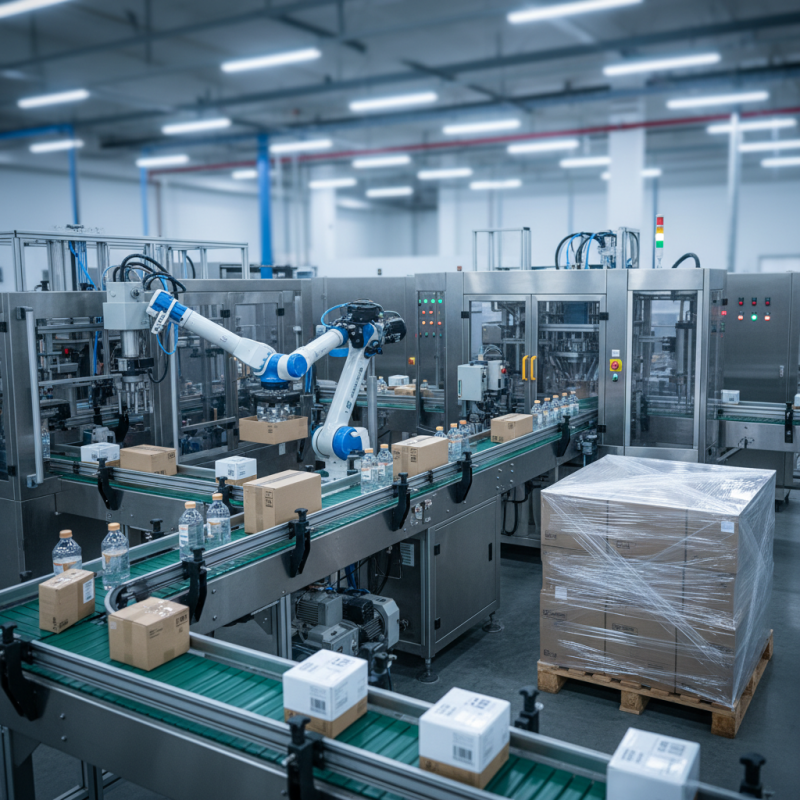
Packaging machinery plays a crucial role in various industries. It refers to equipment used to package products for storage, distribution, and sale. This machinery encompasses a wide range of devices and systems designed for different packaging applications. From filling and sealing to labeling and wrapping, each machine serves a specific purpose within the packaging process.
Understanding how packaging machinery works is essential for manufacturers. Most machines automate repetitive tasks, improving efficiency and reducing labor costs. For example, filling machines can control the volume of a product dispensed into containers. Similarly, sealing machines ensure that packaging is airtight, preserving product freshness. Yet, complexities in maintenance and operation can arise. Machines can malfunction, leading to production delays and wasted materials. Regular training and updates are essential to mitigate these challenges.
Moreover, different industries require tailored machinery. Food packaging may have strict hygiene standards, while pharmaceuticals may need precision. As technology advances, more smart and adaptive machines are emerging. They integrate sensors and data analytics to optimize production. However, the initial investment and setup can be daunting for some companies. It's a balance of cost versus benefit that requires careful consideration.
Types of Packaging Machinery and Their Functions
Packaging machinery plays a vital role in modern manufacturing and distribution. Various types of machinery serve specific functions in the packaging process. For instance, filling machines accurately measure and dispense products into containers. According to market reports, the global filling machine market is projected to grow by 4.5% annually, highlighting its importance.
Sealing machines are another key component. They securely close packages, ensuring product longevity and safety. In 2022, the sealing machine segment accounted for approximately 25% of the overall packaging machinery market share. This suggests businesses prioritize reliable sealing solutions to maintain product integrity.
Wrapping machines also contribute significantly. They enable efficient packaging, reducing material waste and labor costs. Industry data shows that wrapping machinery can improve line efficiency by up to 30%. However, companies often face challenges in selecting the appropriate machinery for their specific needs. This requires a deep understanding of the production workflow and product characteristics. As the market evolves, businesses must continually reassess their machinery choices and adapt to new technologies.
Key Components and Mechanics of Packaging Machinery
Packaging machinery plays a crucial role in modern manufacturing. Understanding its key components helps in optimizing efficiency. The primary elements include conveyors, filling systems, sealing devices, and labeling machines. Each component works in harmony to automate processes. For instance, conveyors transport products smoothly along the production line. They improve reliability but require regular maintenance to avoid delays.
Filling systems vary based on the product type. Liquid fillers use gravity or pressure to dispense liquids accurately. This system needs recalibration frequently to ensure precision. Meanwhile, solid fillers often employ augers or vibratory systems. Sealing devices create airtight packages, critical for product preservation. Heat sealing is common, but not always foolproof.
Labeling machines are essential for compliance and branding. They apply labels quickly, but precision is vital. Misaligned labels can lead to costly errors. Despite advancements, packaging machinery is not without flaws. Operators must remain vigilant and ready to troubleshoot issues on the fly. The complexity of these systems requires ongoing learning and adaptation.
Operations and Processes in Packaging Machinery
Packaging machinery plays a crucial role in the modern manufacturing landscape. These machines are essential for the efficient packing of products in various industries. According to a report by MarketsandMarkets, the global packaging machinery market is projected to reach USD 56.45 billion by 2025, illustrating significant industry growth. Efficient packaging ensures product safety, maximizes shelf life, and enhances consumer appeal.
The operations within packaging machinery involve several processes. These include filling, wrapping, sealing, and labeling. Each step requires precision and speed. For instance, a study by Freedonia Group indicated that automated packaging solutions can improve throughput by nearly 30%. This aspect highlights the importance of embracing technology to optimize operations. Manual packing, while sometimes necessary, often leads to inconsistencies and higher error rates. The need for reliability in packaging processes cannot be overstated.
Monitoring and maintenance of packaging machinery are vital for long-term success. Neglecting these areas can lead to costly downtimes and inefficiencies. Regular assessments can reveal issues that might not be immediately apparent. For example, wear and tear on seals can affect integrity. Understanding these nuances is essential for manufacturers looking to maintain competitiveness in a rapidly evolving market.
Applications and Benefits of Packaging Machinery in Industries
Packaging machinery plays a crucial role in various industries. It streamlines the packing process, ultimately improving efficiency. In food production, for instance, machines ensure products are sealed properly to maintain freshness. This reduces food waste and enhances shelf life.
In pharmaceutical manufacturing, packaging machinery guarantees that medications are correctly labeled and sealed. Accuracy is vital in this sector, as errors can have severe consequences. Automated machines minimize human error and speed up production. They can adapt to different packaging types, like bottles or blisters, which adds versatility.
The benefits of using packaging machinery include cost savings and time efficiency. However, reliance on technology may lead to challenges. Breakdowns can halt production, impacting supply chains. Machines also require maintenance and regular updates, which can be costly. Balancing the advantages and challenges is essential for industries aiming to optimize their packaging processes.
What is Packaging Machinery and How Does it Work? - Applications and Benefits of Packaging Machinery in Industries
| Application | Type of Machinery | Benefits |
| Food and Beverage | Filling Machines | Increased speed of production, Reduced manual handling |
| Pharmaceuticals | Blister Packaging Machines | Enhanced protection, Improved product integrity |
| Consumer Goods | Wrapping Machines | Cost-effective packaging, Versatile options |
| Cosmetics | Labeling Machines | Brand visibility, Efficient labeling process |
| Industrial Products | Cartoning Machines | Improved shipping efficiency, Better organization |
