Maximize Safety with Local Exhaust Ventilation Tips for Buyers
Maximizing safety in industrial environments is crucial. This can be achieved through effective Local Exhaust Ventilation systems. According to Dr. Helen Thompson, a renowned expert in occupational health, “Proper ventilation is not just an option; it’s a necessity for safety.”
Understanding Local Exhaust Ventilation is vital for buyers. It helps to control airborne contaminants. This technology captures and removes hazardous fumes, ensuring cleaner air. However, many buyers overlook critical aspects before investing. They may focus solely on cost rather than system efficiency and safety compliance.
Choosing the right Local Exhaust Ventilation system requires thorough evaluation. Buyers should consider airflow rates, filter types, and maintenance needs. These details impact safety and system performance. Without proper insight, decisions may lead to inadequate protection. It’s essential to reflect on what safety truly means when selecting ventilation solutions.
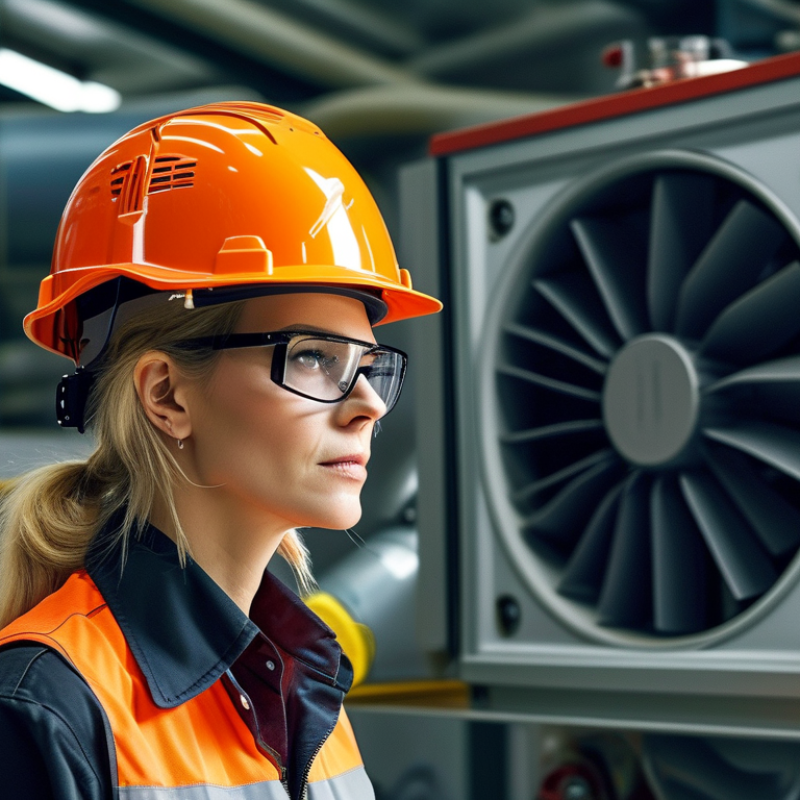
Understanding Local Exhaust Ventilation: Key Concepts and Benefits
Local exhaust ventilation (LEV) is essential for maintaining a safe workplace. This system removes harmful air contaminants at their source. Effective LEV reduces health risks for workers. Understanding its key concepts helps in making informed decisions.
When considering LEV systems, pay attention to airflow design. Ensure that the system captures pollutants effectively. Positioning hoods close to sources of contamination is crucial. Regular maintenance is also important for consistent performance. Monitor airflow rates to ensure they meet safety standards.
Educating staff about LEV benefits enhances safety culture. Encourage reporting of any malfunctioning systems. An engaged workforce can identify issues early. Use visual cues to highlight areas needing ventilation. These practices not only improve safety but also foster responsibility. Consider these factors carefully; they can make a significant difference in workplace safety.
Maximize Safety with Local Exhaust Ventilation Tips for Buyers
| Key Concept | Description | Benefits | Considerations |
| Local Exhaust Ventilation (LEV) | A system designed to capture contaminants at the source before they disperse into the workplace. | Reduces exposure to harmful substances, improves air quality, and enhances workplace safety. | Requires proper installation and maintenance to ensure efficacy. |
| Types of LEV Systems | Includes hoods, ducts, fans, and filters customized for specific applications. | Tailored solutions can effectively target various pollutants and improve operational efficiency. | Choice of system affects performance; consult a specialist for recommendations. |
| Regulatory Compliance | Adhering to OSHA and other safety standards regarding exposure limits. | Ensures a safe work environment and avoids potential legal issues. | Regular audits and adjustments may be necessary to maintain compliance. |
| User Training | Educating employees on proper use and maintenance of LEV systems. | Enhances system effectiveness and ensures user safety. | Ongoing training and refreshers help maintain awareness and compliance. |
Assessing Your Needs: Identifying the Right Local Exhaust Ventilation System
Assessing your needs when choosing a local exhaust ventilation system is crucial. Many industries, such as manufacturing and construction, prioritize worker safety. According to the Occupational Safety and Health Administration (OSHA), proper ventilation can reduce harmful exposure to airborne contaminants by up to 90%. It’s essential to evaluate the specific pollutants in your environment. Are you dealing with dust, fumes, or vapors? Understanding the nature of the contaminants helps in selecting the right system.
Worksite size and layout are also vital factors. A report from the National Institute for Occupational Safety and Health (NIOSH) indicates that inadequate ventilation can lead to reduced worker performance and increased health issues. A system that works well in one area might not perform effectively in another. Consider airflow patterns and potential dead zones. A thorough site assessment is needed. Often, professionals overlook the importance of tailored solutions, opting for generic systems instead.
Consulting with experts ensures you make informed decisions. Having a system that meets your specific needs enhances safety and compliance. However, relying solely on vendor recommendations may cause blind spots in your assessment. Regular re-evaluation of your ventilation system is important as work conditions change.
Safety Standards: Compliance and Regulations for Local Exhaust Systems
Local exhaust ventilation (LEV) systems play a crucial role in maintaining workplace safety. According to the Occupational Safety and Health Administration (OSHA), improper ventilation can lead to increased exposure to harmful substances. Studies reveal that a significant percentage of industrial workers face respiratory risks due to inadequate LEV setups. A survey indicated that 70% of employers are not fully compliant with existing ventilation standards.
Understanding safety standards is essential for buyers of LEV systems. The American National Standards Institute (ANSI) provides guidelines that help ensure compliance with federal regulations. Buyers should prioritize systems that meet or exceed ANSI standards. It is also vital to regularly monitor performance levels. Inadequate monitoring could result in undetected failures in airflow, leading to hazardous conditions.
However, meeting these standards isn’t always straightforward. Many buyers underestimate the complexity of local exhaust systems. Effective implementation often requires specialized knowledge. Deciding on system placement, for example, can significantly impact effectiveness. Without sufficient planning, the stored design might not adequately protect workers. Collaborating with safety experts can help identify potential pitfalls and improve overall safety.
Installation and Maintenance Tips for Effective Local Exhaust Ventilation
Effective installation of local exhaust ventilation is crucial for maintaining a safe work environment. Start by evaluating the workspace. Identify areas with significant airborne contaminants, such as dust, fumes, or vapors. Measure the airflow and determine the best location for the exhaust system. Ensure the exhaust hood is positioned close to the contamination source. Proper placement maximizes efficiency and reduces worker exposure.
Maintenance plays a vital role in the system’s performance. Regularly inspect the ductwork for leaks or blockages; even minor issues can significantly impact airflow. Consider cleaning filters and ducts every few months. This not only improves efficiency but also increases the lifespan of the system. Document your maintenance routine; it helps in assessing performance over time.
Installation and upkeep require a thoughtful approach. Seek professional advice if unsure about the system's design or placement. An improperly installed system may lead to inadequate protection. Reflect on how your workplace's needs might change. Adaptations may be necessary as new processes or materials are introduced. Prioritize safety and respond proactively to evolving challenges.
Evaluating Performance: Measuring Effectiveness of Ventilation Solutions
Effective local exhaust ventilation (LEV) is crucial for maintaining safety in industrial environments. Evaluating the performance of these systems is key. According to the American Industrial Hygiene Association, improper ventilation can lead to hazardous conditions. A study found that 45% of workplaces report inadequate LEV performance, emphasizing the need for assessment.
To measure effectiveness, consider airflow velocity, capture efficiency, and system design. Airflow should be at least 100 feet per minute at the capture point. This ensures contaminants are effectively pulled away. Regular monitoring is essential. Some systems may not perform as expected, leading to exposure risks. Yet, 25% of facilities lack a measurement routine.
Choosing the right LEV system requires a detailed evaluation of these factors. Assessment should include analyzing work practices and contaminant types. Not all systems fit every situation. Many buyers overlook the necessity for tailored solutions. Engaging with industry experts can provide insights into best practices and adjustments.
Maximize Safety with Local Exhaust Ventilation Effectiveness
This bar chart illustrates the performance effectiveness of different local exhaust ventilation systems. Each system's effectiveness is represented as a percentage, helping buyers make informed decisions based on performance metrics.
