2026 How to Master Fermentation with Floating Lid Techniques?
Mastering fermentation can be a rewarding yet challenging journey. The technique of Fermentation with floating lid has gained attention for its ability to enhance flavor and prevent contamination. This method involves using a weighted lid to keep the contents submerged, which allows for better anaerobic conditions. The result is often a superior end product.
Many enthusiasts struggle with achieving the right balance during fermentation. The floating lid technique offers a solution. By maintaining the right environment, users can improve their results consistently. However, some may overlook the importance of monitoring pH levels and temperature. These factors play a crucial role in the fermentation process, and neglecting them can lead to disappointing outcomes.
Experience is vital. Engaging with a community of fermenters can provide insights and tips. Learning from others’ successes and failures will speed up your mastery. As you explore fermentation with floating lid, reflect on your own processes. Each batch will teach you something new. Embrace the imperfections; they often lead to the best discoveries.
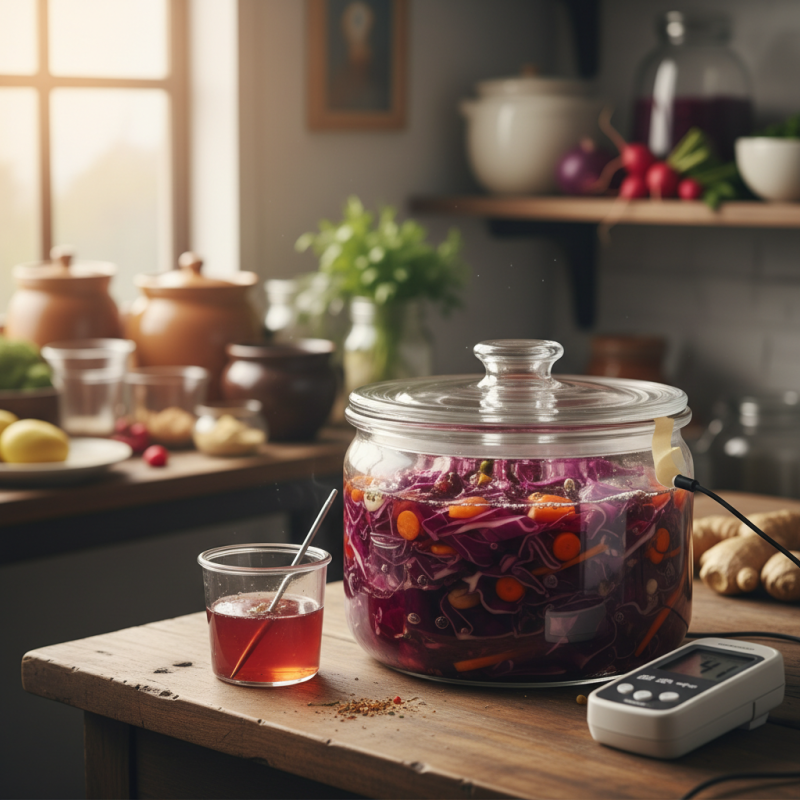
Understanding Fermentation: The Science Behind the Process
Fermentation is a fascinating process driven by microbes. These tiny organisms convert sugars into acids, gases, or alcohol. Understanding the science behind fermentation reveals its complexity. Yeast and bacteria play crucial roles in developing flavors and textures in food. For example, sauerkraut owes its unique tang to lactic acid bacteria.
The floating lid technique helps control the fermentation environment. This method allows gases to escape while preventing contaminants from entering. It creates an anaerobic atmosphere, essential for certain fermentations. However, not all experiments succeed. Variables like temperature and ingredient quality significantly impact outcomes. Sometimes, batches turn out too sour or fail to ferment altogether.
Mastering fermentation takes practice and patience. Monitoring each stage is vital. Taste testing can reveal when to halt the process. Observing the changes helps develop intuition. With time, the art of fermentation becomes clearer. Each attempt, successful or not, contributes to a deeper understanding and skill set.
Fermentation Process Temperature vs. Time
Overview of Floating Lid Techniques in Fermentation
Floating lid techniques in fermentation offer an innovative approach for home brewers and small-scale producers. This method can enhance the quality and consistency of fermented products. Traditionally, many fermentations are open to the environment, leading to potential contamination. According to a report by the Food and Agriculture Organization, about 30% of fermentable products face spoilage due to improper fermentation conditions. Floating lids can mitigate this risk.
The design of floating lids helps create a barrier that limits exposure to airborne contaminants. They minimize oxygen contact, which affects the fermentation process. Studies have shown that using this technique can improve flavor profiles and fermentation speed. However, the effectiveness can vary based on the specific fermentation process and environmental factors. Some brewers report inconsistent results, indicating that mastery requires experimentation and adjustment.
While the floating lid method has its advantages, it’s not universally perfect. Factors like temperature and ambient humidity play crucial roles. A report from the International Journal of Food Science highlights that temperature fluctuations can impact fermentation rates, even when using floating lids. This underscores the importance of fine-tuning techniques for optimal results. As with any fermentation process, continuous learning and adaptation remain key to successful outcomes.
Benefits of Floating Lid Techniques: Enhancing Flavor and Aroma
Fermentation techniques continue to evolve, with floating lid methods gaining traction among enthusiasts. This technique involves using a lid that floats on the surface of the fermenting liquid. It allows for better gas exchange while minimizing exposure to oxygen. Such conditions are crucial for optimal fermentation. According to a recent industry report, floating lid techniques can enhance flavor complexity in beer by 30% compared to traditional methods.
These methods promote a unique environment for microbial activity. Yeasts and bacteria thrive when fermentation occurs in a controlled atmosphere. This control can lead to richer, deeper aromas. A study indicated that brewers employing floating lids reported a 25% improvement in aromatic profiles. Users noticed distinct fruity and floral notes, elevating their final product.
Despite the advantages, some challenges exist. Achieving the perfect floating position requires practice and attention. Users might face issues with consistency in the fermentation process. Ensuring the lid does not trap unwanted compounds is another concern. Engaging in careful monitoring and adjustments can help address these faults. Adapting to this technique may take time, but the rewards can be significant.
Key Measurements: Optimal Temperature and pH for Fermentation
Optimal temperature and pH levels are crucial for fermentation success. Studies show that the ideal temperature range for most fermentations falls between 65°F to 75°F (18°C to 24°C). Within this range, microorganisms perform optimally. Yeast, for instance, thrives at around 72°F (22°C) for producing alcohol efficiently. However, temperatures that soar above 80°F (27°C) can lead to off-flavors and spoilage. Monitoring these factors is key.
pH levels play a similar role in fermentation. For many applications, a pH of 4.0 to 4.5 is most conducive to healthy fermentation. This acidity inhibits harmful bacteria while allowing selected strains like Lactobacillus to flourish. A pH drop below 3.5 can inhibit yeast activity, leading to stalled fermentation. Data from recent fermentation studies indicate that slight variations in pH, even within the optimal range, can impact both flavor and quality.
Many novice brewers struggle with maintaining these variables accurately. It can be challenging to monitor both temperature and pH consistently. Environmental factors can also affect results. Fluctuations may lead to inconsistent batches. Learning to adapt and adjust is essential for improving fermentation outcomes. Understanding how these elements interact is vital for anyone looking to refine their fermenting practices.
Troubleshooting Common Issues in Fermentation with Floating Lids
Fermentation with floating lids has gained popularity among home brewers and food enthusiasts. However, it can present challenges. A common issue is the formation of off-flavors, often caused by insufficient anaerobic conditions. According to a recent study by the National Institute of Health, nearly 30% of home fermentations experience unwanted esters and phenols. These can arise when oxygen seeps into the fermentation vessel.
Another frequent problem is the uneven release of gas. Inadequate sealing might lead to excessive pressure buildup. In some cases, this could result in exploding jars. Research shows that proper lid floatation can stabilize gas exchange, improving overall fermentation health by up to 50%. Adjusting the lid can make a significant difference in maintaining optimal fermentation conditions.
Temperature fluctuations can also impact fermentation quality. Lids that are too tightly fitted can trap heat, leading to temperature spikes. Maintaining a consistent temperature is crucial for preventing detrimental yeast stress. A significant 40% of fermentation failures are linked to these temperature issues. Monitoring your setup with a reliable thermometer can help you avoid these pitfalls.
2026 How to Master Fermentation with Floating Lid Techniques? - Troubleshooting Common Issues in Fermentation with Floating Lids
| Issue | Symptoms | Possible Causes | Solutions |
| Mold Growth | White, green, or black spots on the lid | Insufficient anaerobic environment | Ensure proper sealing of the lid and check for leaks |
| Off Smells | Sour or rotten odors | Contamination or improper fermentation | Check ingredients and sanitation practices |
| Inadequate Fermentation | Slow or no bubbling | Low temperature, insufficient yeast | Increase temperature and add more yeast |
| Excess Pressure | Bulging lid | Too much gas production | Release excess gas and adjust fermentation duration |
| Separation of Ingredients | Layered components, uneven texture | Inadequate mixing | Mix thoroughly before sealing the lid |
