What to Know About Stainless Steel Door Hinges?
In the realm of home construction and design, the choice of hardware can make a significant impact. Stainless Steel Door Hinges are one such essential component that often goes unnoticed. Renowned industry expert John Miller once stated, "The right hinge can elevate both functionality and aesthetics." This highlights the importance of selecting quality hinges for doors.
Stainless Steel Door Hinges offer durability and resistance to corrosion. They are ideal for both interior and exterior applications. However, not every hinge on the market meets high standards. It's crucial to examine materials and construction quality. Many homeowners overlook these factors, concentrating primarily on appearance rather than performance.
Beyond their physical attributes, the installation of Stainless Steel Door Hinges requires careful attention. Improper installation can lead to misaligned doors and premature wear. Sometimes, the simplest choices can turn into complex issues down the line. Understanding the fundamentals of hinges can empower homeowners to make better decisions for their spaces.
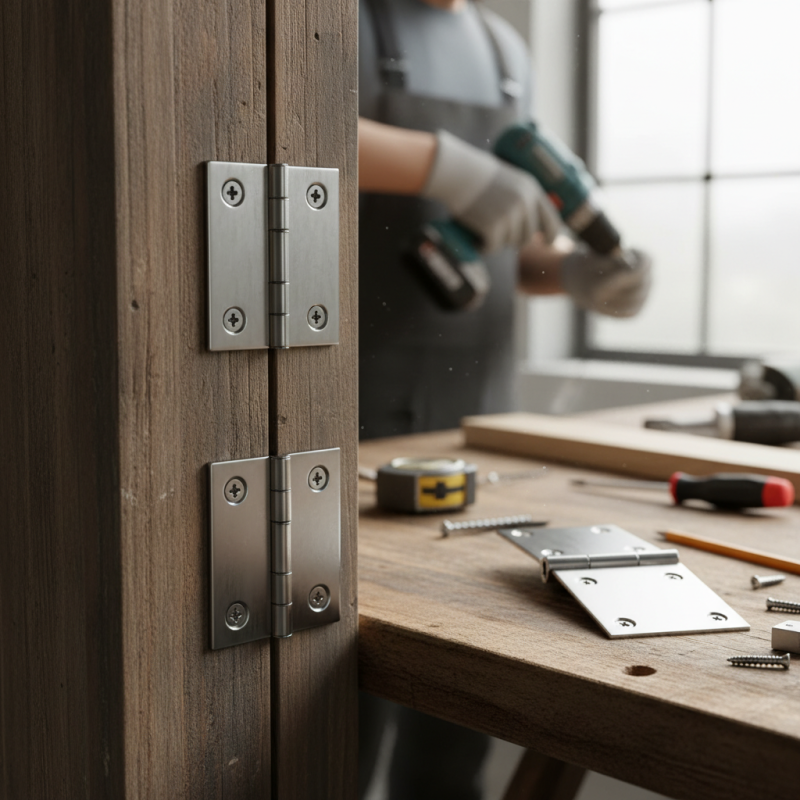
Understanding Stainless Steel Door Hinges: An Overview
Stainless steel door hinges are essential components in many homes and commercial buildings. They provide durability and resistance to corrosion, making them ideal for both interior and exterior doors. When selecting hinges, it’s crucial to understand the various types available. For instance, continuous hinges run the entire length of the door. This design can distribute weight evenly and reduce wear. Regular hinges, on the other hand, can be sufficient but may require more frequent maintenance.
Consider the thickness and weight of your door when choosing hinges. Heavier doors benefit from heavy-duty hinges, which provide better support. The finish of the stainless steel is also important. A brushed finish often hides fingerprints and scratches better than a polished one. It’s a minor detail, but it can impact the overall look of your door.
Many people overlook hinge placement. Poorly positioned hinges can lead to misalignment over time. Make sure they are spaced correctly to prolong the life of both the door and hinges. Regular inspections can help identify wear before it becomes a bigger issue. Thoughtful selection and placement will ultimately enhance the functionality and appearance of your doors.
Types of Stainless Steel Door Hinges and Their Applications
Stainless steel door hinges come in various types, catering to different needs. The most common types include butt hinges, continuous hinges, and pivot hinges. Each type serves specific applications. For instance, butt hinges are ideal for residential doors, providing sturdy support. Meanwhile, continuous hinges offer uniform weight distribution and can be used in commercial spaces.
According to a report by the Global Market Insights, the demand for stainless steel hinges is projected to grow by 4.5% annually through 2028. Factors driving this growth include the material's durability and resistance to corrosion. However, many users overlook the importance of selecting the right type of hinge for their doors. A miscalculation in hinge choice can lead to premature wear or insufficient support.
Another critical aspect is the installation process. Poor installation can compromise the functionality of any hinge, stainless steel included. Aligning hinges incorrectly can result in misaligned doors, creating gaps that waste energy. The choice of hinge should reflect not only the door's weight but also its usage frequency. Inadequate analysis here could lead to costly replacements or repairs.
Advantages of Using Stainless Steel for Door Hinges
Stainless steel door hinges offer numerous advantages. Their corrosion resistance is one of the most significant benefits. According to the Steel Construction Institute, stainless steel can withstand harsh environmental conditions much better than other materials. This makes them ideal for areas with high moisture levels, such as bathrooms and kitchens.
Durability is another key factor. Stainless steel hinges are designed to last. They can endure heavy use without bending or breaking. A study from the American Institute of Steel Construction indicates that stainless steel hinges have a lifespan that is up to three times longer than conventional hinges. This longevity results in reduced replacement and maintenance costs over time.
Aesthetically pleasing, stainless steel hinges present a sleek and modern look. They complement various door styles and finishes. However, they can be susceptible to scratches and dents, which may affect their appearance. It's important to consider both functionality and aesthetics when selecting hinges. Proper installation and care are essential to maintain their appearance and functionality over the years.
Factors to Consider When Choosing Stainless Steel Door Hinges
When choosing stainless steel door hinges, several factors come into play. Material quality is critical. Look for hinges made from high-grade stainless steel. This ensures durability, especially in humid environments. Corrosion resistance is vital for longevity. Examine the finish carefully. A polished finish may look appealing but can show fingerprints easily.
The size and weight of the door are essential considerations. Heavy doors require sturdier hinges. Size matters too; an inaccurate measurement can lead to installation problems. Pay attention to the hinge type; concealed hinges may provide a clean look. However, they can complicate repairs.
Don’t forget about the installation process. Some hinges are easier to install than others. Consulting with a professional can save time and effort. Reflect on your choices. Sometimes, saving a few dollars upfront can result in costly repairs later. Properly evaluating your needs can lead to better decisions.
Maintenance Tips for Stainless Steel Door Hinges
Stainless steel door hinges are durable, but they require proper care. Regular maintenance prolongs their life. A quick wipe with a damp cloth removes dust and grime. Don't forget to inspect the hinges for rust or damage. If you spot corrosion, it might be too late.
Lubrication is key. Use a light oil or silicone spray to ensure smooth operation. Apply it sparingly, so it doesn’t attract more dirt. Rotate the hinge a few times after application. This helps distribute the lubricant evenly. Sometimes, the squeaking returns. That means it’s time to reapply.
Moisture can be a problem. If you live in a humid area, consider more frequent checks. If they get too rusty, replacements might be costly. Keep in mind that neglect leads to more issues. Pay attention to these details for better maintenance.
