What is Infant Series CPR Training Simulator Benefits and Uses?
In emergency situations, proficiency in infant CPR can save lives. The "Infant Series CPR Training Simulator" provides essential training for healthcare professionals and parents alike. According to recent studies, nearly 10,000 infants experience cardiac arrest each year in the U.S. alone. This emphasizes the critical need for effective CPR training.
Simulation-based learning enhances retention of CPR techniques. Trainees who use simulators demonstrate a 30% improvement in performance compared to traditional methods. The "Infant Series CPR Training Simulator" offers realistic scenarios, allowing practitioners to practice skills in a controlled environment. Despite advancements, data reveals gaps in training consistency, highlighting the necessity for regular practice.
Many instructors still face challenges in articulating best practices. Using high-fidelity simulators can bridge this gap, reinforcing knowledge through hands-on experience. Yet, it’s crucial to reflect on training methods continually. Are current approaches effective? As the demand for skilled responders increases, investing in reliable training tools is imperative for safeguarding infant well-being.
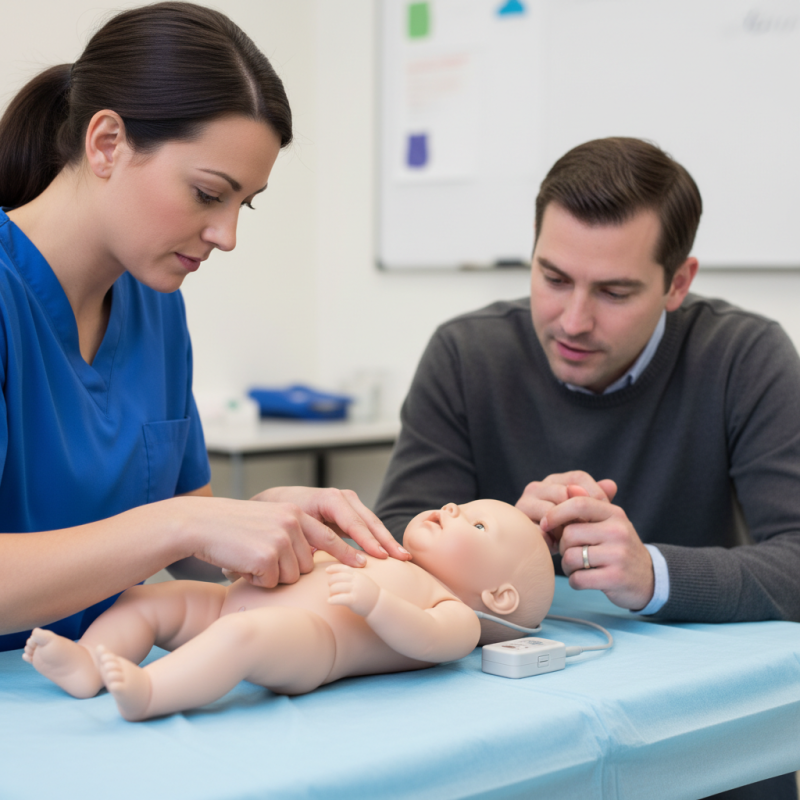
Overview of Infant CPR Training Simulators
Infant CPR training simulators are essential for teaching lifesaving skills. These realistic tools help caregivers and healthcare professionals learn how to perform CPR on infants. Utilizing lifelike models, trainees can practice techniques safely and effectively. The hands-on experience boosts confidence and prepares individuals for real-life emergencies.
These simulators often mimic actual infant anatomy. Participants can assess scenarios that may arise in crises. Practicing chest compressions and rescue breaths on a simulator provides a deeper understanding. Trainees can make mistakes in a controlled environment, reflecting on their actions for improvement.
However, not all simulators are created equal. Some may lack realistic features or durability. It's crucial to choose a high-quality simulator that accurately represents infant physiology. Additionally, the training should be accompanied by professional guidance. Monitoring progress through scenarios ensures all participants truly grasp the necessary skills needed in emergencies.
Infant CPR Training Simulator Benefits Overview
This chart illustrates the key benefits of using infant CPR training simulators, highlighting the aspects of improved confidence, increased knowledge, better skill retention, enhanced team training, and realistic scenarios.
Key Benefits of Using Infant CPR Simulators in Training Programs
Infant CPR simulators play a crucial role in training programs for healthcare professionals and caregivers. These tools offer realistic, hands-on experience that enhances learning. Trainees can practice proper chest compression techniques, rescue breaths, and accurate assessment of a baby's condition. This immersive training helps reinforce skills that are vital in emergencies.
The benefits extend beyond just physical practice. Using simulators fosters confidence and reduces anxiety. Trainees often express concern over performing CPR on infants. By engaging with a simulator, they confront these fears in a controlled environment. They can receive immediate feedback, allowing for continuous improvement. Mistakes made during training can lead to better performance in real-life situations.
Despite numerous advantages, reliance on simulators has its pitfalls. Some trainees may feel overly confident after practice. It's essential to remind them that simulations cannot fully replicate the unpredictability of an actual emergency. This highlights the need for ongoing education and real-life experience. Combining simulator training with scenario-based learning enhances preparedness. In this way, the training becomes comprehensive and more effective.
Essential Features of Infant CPR Training Simulators
Infant CPR training simulators serve as valuable tools for teaching essential life-saving techniques. These simulators replicate the anatomy and physiology of infants, providing realistic experiences for learners. By using lifelike models, trainees gain hands-on practice in performing chest compressions and rescue breaths. This practical experience significantly boosts confidence and competency during real emergencies.
One key feature of these simulators is their feedback system. Many devices provide immediate responses to trainees' actions, highlighting areas for improvement. This instant feedback helps learners adjust techniques and understand proper depth and rate of compressions. The ability to practice in a controlled environment reduces anxiety, allowing for better retention of CPR knowledge.
Additionally, infant CPR training simulators often include scenarios that mimic common emergencies. These realistic settings encourage critical thinking and decision-making skills. However, even with technological advancements, the effectiveness of training still relies on instructors' guidance. Continuous reflection on simulation practices can lead to better approaches in teaching these vital skills.
Practical Applications of Infant CPR Simulators in Various Settings
Infant CPR simulators are becoming essential tools in various settings, including healthcare and educational environments. These simulators offer realistic scenarios for practicing life-saving techniques specific to infants. This hands-on training helps caregivers and healthcare professionals sharpen their skills and gain confidence when faced with real emergencies.
In hospitals, staff can practice with infant CPR simulators to ensure they react appropriately under pressure. They learn critical techniques like chest compressions and rescue breaths. However, some may feel uncertain about the different sizes and weights of infants. It is a challenge to adjust techniques for each unique situation. Training on a simulator allows professionals to understand these variations without compromising safety.
In community settings, such as parenting classes, simulators play a crucial role. They provide parents with invaluable experience in a controlled environment. Yet, there is still a gap in some communities regarding accessibility to advanced trainings. Not all parents feel prepared after a single session. Continuous practice and follow-up sessions could enhance their readiness, ensuring they are not just familiar with CPR but can perform it effectively when it truly counts.
What is Infant Series CPR Training Simulator Benefits and Uses? - Practical Applications of Infant CPR Simulators in Various Settings
| Application Setting | Benefits | Key Features | Training Type |
| Hospitals | Realistic training experience, immediate feedback | Lifelike anatomy, feedback on compressions | Hands-on practical training |
| Educational Institutions | Enhances student engagement and confidence | Interactive scenarios, group training | Simulation-based learning |
| Community Workshops | Accessible training for laypersons | Compact design, easy to use | Basic CPR skills and knowledge |
| Emergency Response Training | Prepares responders for real-life situations | Multiple scenarios, performance tracking | Advanced CPR techniques |
Effectiveness of Infant CPR Simulators in Skill Retention and Confidence Building
Infant CPR simulators play a crucial role in training caregivers and professionals. These tools enhance skill retention and boost confidence through interactive learning. Hands-on practice reinforces muscle memory, which is vital during real emergencies. Full immersion in simulated scenarios prepares individuals for high-pressure situations.
Building confidence is essential. Many learners report anxiety when faced with infant CPR. Practicing on simulators can ease this fear. Familiarity with the technique fosters a sense of readiness. It allows learners to make quick decisions when time is critical. Consistent practice can bridge the gap between knowledge and action.
Tips: Aim for regular practice sessions. Skills need reinforcement over time. Focus on areas that feel challenging. Reflect on your experiences and seek feedback. Embrace the learning process. Mistakes can be great teachers. Always remember the importance of staying calm and collected during emergencies.
