What is Graphite Bearing and How Does it Work?
Graphite Bearings have gained significant attention in various industrial applications due to their unique properties. According to a research report by MarketsandMarkets, the global bearings market is projected to reach $112.8 billion by 2025, with graphite bearings playing a crucial role in this growth. These bearings offer excellent thermal and chemical resistance, making them suitable for extreme conditions.
The working mechanism of graphite bearings relies on the proprietary formulation of graphite compounds. They provide low friction levels and high wear resistance, often outperforming traditional materials. For example, their use in high-speed machinery has improved operational efficiency by up to 30%, as noted by the Journal of Tribology.
However, despite these advantages, some challenges remain. Graphite bearings may experience issues under heavy loads, causing concern over longevity. Companies must weigh these factors carefully when choosing materials for their engineering needs. Understanding the dynamics of graphite bearings is essential for harnessing their full potential in modern manufacturing.
What is Graphite Bearing?
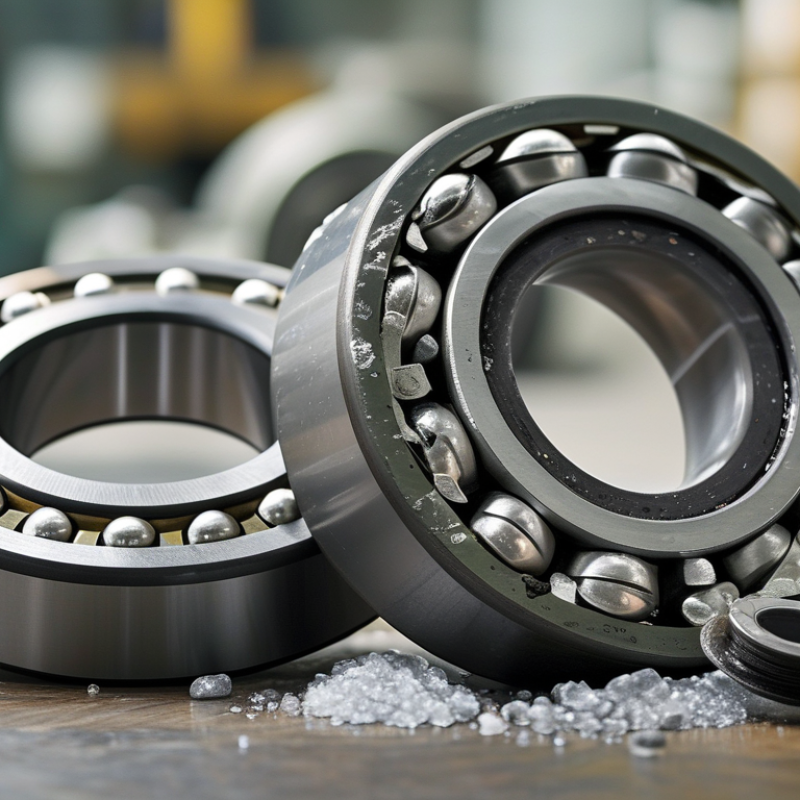
Graphite bearings are specialized components used in various industries due to their unique properties. Typically made from high-purity graphite, these bearings offer excellent lubricity and corrosion resistance. Their inherent properties make them suitable for high-temperature applications. Unlike traditional bearings, graphite bearings can operate in harsh environments where oil or grease may fail.
The design of graphite bearings allows for low friction and minimal wear. They perform well in both static and dynamic conditions. Many industries, including aerospace and manufacturing, utilize these bearings for their reliability. However, some challenges arise. For instance, graphite can be brittle, leading to possible fractures. Users need to be aware of proper load limits and installation techniques to avoid premature failure.
In applications where contamination is a concern, graphite bearings shine. They do not require additional lubricants, minimizing the risk of contamination. Nonetheless, the cost can be higher compared to conventional materials. This raises questions about the best applications for graphite bearings versus traditional options. Choosing the right bearing is crucial, and understanding these factors can guide effective decision-making.
Composition and Structure of Graphite Bearings
Graphite bearings are unique components used in various industrial applications. Their composition primarily consists of graphite, a form of carbon known for its lubricating properties. According to a study published by the Journal of Lubrication Science, graphite's layered structure helps reduce friction significantly. This is crucial for machinery that operates under high speeds and loads.
The structure of graphite bearings generally includes a matrix of graphite particles, often integrated with a binding agent for stability. This combination results in a durable bearing that can withstand harsh environments. Industry reports highlight that graphite bearings can operate effectively at temperatures exceeding 1000°C, making them suitable for extreme conditions.
Despite the many advantages, graphite bearings are not without drawbacks. They can be prone to wear under certain circumstances, leading to performance issues. Researchers suggest that regular inspections are essential. Misalignment or contamination can significantly affect their lifespan. Thus, understanding the specific application environments is vital for optimizing their use.
Graphite Bearings Performance Comparison
This bar chart displays the performance metrics of graphite bearings, including load capacity, friction coefficient, operating temperature, and service life. These metrics highlight the advantages of using graphite bearings in various applications.
How Graphite Bearings Function in Machinery
Graphite bearings are critical components in various machinery. They are known for their excellent lubrication properties. Made from a combination of graphite and other materials, they enhance performance and longevity. According to the Global Market Insights report, the graphite bearing market is projected to grow significantly, driven by demand in industries like automotive and aerospace.
In machinery, graphite bearings function by reducing friction between moving parts. This friction reduction minimizes wear and tear. A study from the Journal of Tribology shows that graphite bearings can reduce friction by up to 50%. This efficiency is vital in high-speed applications. Engineers appreciate their ability to operate in extreme temperatures. However, they must be aware of the specific conditions under which graphite performs best to avoid premature failure.
Another point to consider is that graphite bearings can absorb vibrations. This feature is beneficial in heavy machinery, where stability is crucial. They also require less maintenance compared to traditional bearings. While many advantages exist, the initial cost can be a concern. Engineers should weigh long-term savings against upfront investment when choosing graphite bearings. Understanding these dynamics is essential for making informed design decisions.
Advantages of Using Graphite Bearings
Graphite bearings have gained traction in various industries due to their unique properties. These bearings are known for their excellent lubricating capabilities, high thermal resistance, and low friction coefficients. According to a recent industry report, graphite bearings can decrease wear rates by up to 50% compared to traditional materials. This significant reduction in wear leads to longevity in mechanical systems.
One key advantage of graphite bearings is their self-lubricating nature. They do not require additional lubrication, which can simplify maintenance. This self-sufficiency allows for extended operational periods, particularly in environments where conventional lubricants cannot be used. Furthermore, graphite bearings can operate effectively in temperatures ranging from -200°C to 300°C. This versatility makes them suitable for a wide range of applications, including aerospace and automotive industries.
However, it’s essential to acknowledge a few drawbacks. Graphite bearings may exhibit lower load-bearing capacity under certain conditions. Their performance can be affected by the presence of moisture, which could compromise their integrity. Furthermore, not all graphite bearings are created equal; some may vary in quality and performance based on manufacturing processes. Therefore, it is vital to ensure proper material selection for specific applications to maximize potential benefits.
What is Graphite Bearing and How Does it Work? - Advantages of Using Graphite Bearings
| Dimension | Description | Value |
| Material Composition | Type of material used in graphite bearings | Graphite and Polymer |
| Load Capacity | Maximum weight graphite bearings can handle | Up to 2000 lbs |
| Temperature Range | Operating temperature range for ideal performance | -40°C to 200°C |
| Wear Resistance | Ability to withstand wear over time | High |
| Lubrication | Need for additional lubrication | Minimal, self-lubricating |
| Applications | Common uses of graphite bearings | Industrial machinery, automotive, aerospace |
Applications of Graphite Bearings in Various Industries
Graphite bearings are gaining traction across multiple industries due to their unique properties. In the automotive sector, they are increasingly used in electric vehicles (EVs). A 2022 report by the International Energy Agency indicated that the demand for graphite components in EVs is projected to grow by 40% annually. This growth is driven by the need for lightweight, energy-efficient materials that can withstand high temperatures and reduce friction.
In the aerospace industry, graphite bearings offer significant advantages. They can operate effectively in extreme environments and reduce weight, which is crucial for aircraft performance. A study published by the American Society for Mechanical Engineers noted that using graphite bearings can lower maintenance costs by up to 30%. However, sourcing high-quality graphite remains a challenge, as variations in purity impact performance.
Manufacturing and heavy machinery also utilize graphite bearings. Their self-lubricating properties enhance machine longevity. Yet, there are concerns about the consistency of graphite quality across suppliers. A 2023 industry analysis pointed out that companies face risks in relying on unverified sources. The unpredictable quality can lead to equipment failures, requiring careful oversight and supplier audits.
