What is an FRP Pipe Machine and How Does It Work?
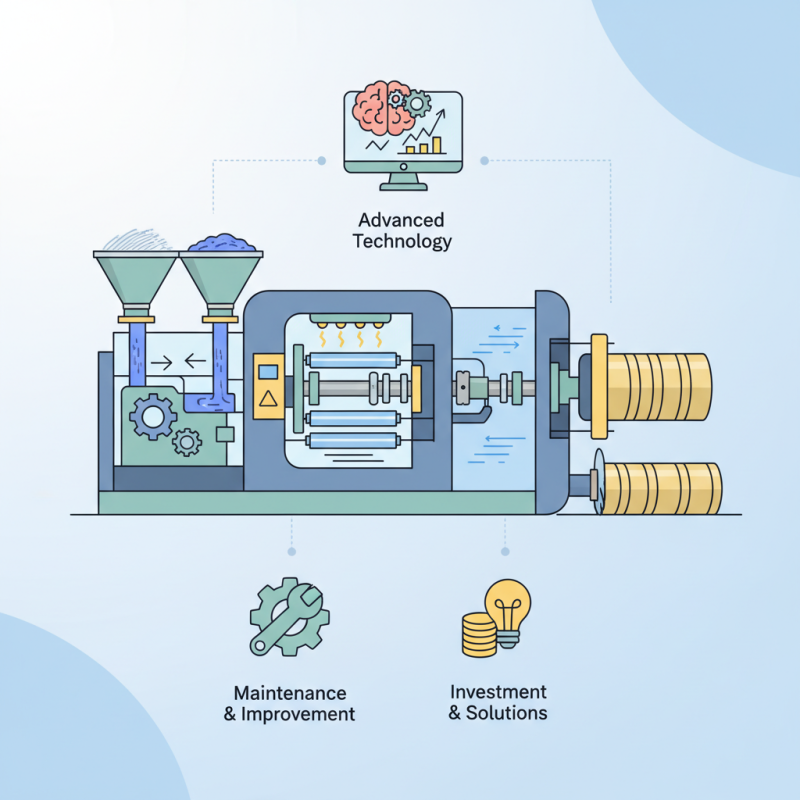
The frp pipe machine is an essential tool in modern manufacturing. It produces fiberglass reinforced plastic pipes, known for their strength and durability. These machines utilize advanced technology to create pipes with various diameters and lengths.
Understanding how the frp pipe machine operates involves exploring its components. The process starts with raw materials that are combined in specific ratios. Continuous monitoring ensures the mixture achieves optimal strength. This meticulous approach allows for the consistent production of high-quality pipes.
However, challenges do exist. Not all machines guarantee the same degree of efficiency. Variations in design raise questions about performance. It is crucial to continually assess and improve these machines. Ultimately, investing in and understanding FRP pipe machines can lead to better manufacturing solutions.
What is FRP (Fiber Reinforced Plastic) Pipe Machine?
The FRP Pipe Machine is a specialized unit used to create Fiber Reinforced Plastic pipes. These pipes have become increasingly popular due to their lightweight nature and high corrosion resistance. Reports suggest that the global market for FRP pipes is projected to reach $4.8 billion by 2027. This growth is driven by industries seeking to reduce maintenance costs and increase efficiency.
FRP pipes are manufactured through a process that involves layering. Resin is combined with glass or carbon fibers in a specific sequence. This layering process builds strength. Typically, these pipes are used in construction, chemical, and water management sectors. However, the complexity of the manufacturing process can sometimes lead to inconsistencies. Some reports indicate that as many as 15% of FRP pipes fail quality control tests. This calls for ongoing scrutiny during production.
The versatility of FRP pipes allows for various applications. They can withstand extreme temperatures and harsh chemicals. However, their production still faces challenges. For instance, ensuring fiber orientation and proper resin saturation can be tricky. As technology advances, manufacturers must continually adapt. The future of FRP pipe production hinges on overcoming these hurdles. Quality control and innovation are key to securing a leading position in this evolving market.
Key Components of an FRP Pipe Machine
FRP (Fiberglass Reinforced Plastic) pipe machines are essential for producing pipes used in various industries. The key components of an FRP pipe machine include the resin tank, fiber feeder, winding device, and control system. These elements work together to create durable and corrosion-resistant pipes.
The resin tank holds the epoxy or polyester resin needed for the manufacturing process. Precision in measuring the resin is crucial. A 2021 industry report indicated that improper resin ratios can lead to weakened pipes, which are detrimental in applications like wastewater management. The fiber feeder supplies continuous strands of fiberglass, which provide strength. Effective feeders can increase production efficiency by over 20%.
The winding device is where the magic happens. It shapes the pipe by layering resin and fiberglass together. This component is pivotal for ensuring the pipe has uniform thickness. A study showed that inconsistencies in winding can reduce pipe lifespan by 30%. The control system monitors the entire process, balancing temperature and speed for optimal results. Understanding how each part interacts is essential for improving efficiency and product quality. Every step must be scrutinized to prevent common issues that plague the industry.
What is an FRP Pipe Machine and How Does It Work? - Key Components of an FRP Pipe Machine
| Component | Description | Function |
| Resin Mixing Unit | Mixes the resin with hardeners and additives | Ensures consistent material properties |
| Filament Winding Machine | Applies glass fibers around a mandrel | Creates the structure of FRP pipes |
| Curing Chamber | Provides the necessary heat and pressure | Cures the resin to form solid pipes |
| Cutting Station | Cuts formed pipes to specified lengths | Prepares pipes for packaging and shipping |
| Control Panel | Monitors and controls machine functions | Enhances automation and efficiency |
| Quality Inspection Unit | Checks dimensions and integrity of pipes | Ensures product meets standards |
Working Principles of FRP Pipe Manufacturing
FRP (Fiberglass Reinforced Plastic) pipes are gaining traction in various industries due to their lightweight nature and corrosion resistance. The manufacturing process involves combining fiberglass with a thermosetting resin. This blend ensures a strong and durable final product. The production typically follows a filament winding method, allowing for precise layering of the materials.
During the initial phase, resin is applied to the fiberglass strands. These strands must be carefully wound around a mold in a specific pattern. This technique can enhance the mechanical properties of the pipe. Data indicates that FRP pipes can last over 50 years in harsh environments. However, inadequate curing can lead to weak spots. These flaws may require costly repairs later.
Maintaining consistent quality is a challenge. Variations in temperature and pressure can affect the final product's strength. Professionals often overlook these factors, impacting production efficiency. It's crucial to develop strict quality control measures. The industry still needs to address the learning curve for new operators. Adapting training programs can significantly improve overall output.
Applications and Benefits of FRP Pipes
FRP pipes, or fiber-reinforced plastic pipes, are gaining popularity in various industries. Their unique composition makes them lightweight yet strong. This combination allows for easy installation in challenging environments. Many industries find FRP pipes ideal for transporting corrosive substances. They excel in chemical processing and wastewater management. The durability of these pipes reduces the risk of leaks and failures.
The benefits of FRP pipes extend beyond their physical properties. These pipes resist corrosion and degradation, leading to lower maintenance costs over time. They are also resistant to UV exposure, which can shorten the life of traditional pipes. FRP pipes help reduce energy consumption in transportation. Industries enjoy the efficiency of these pipes without sacrificing performance. However, some concerns remain regarding their long-term sustainability. Scrap and disposal methods for FRP are still evolving, requiring attention.
In addition, the variety of applications for FRP pipes is fascinating. They are used in construction, oil and gas, and even food processing. Each application showcases their adaptability. Users often appreciate the seamless nature of FRP pipelines. Yet, there’s still some anxiety about their initial installation costs. Balancing these factors is crucial as industries embrace this modern solution. The conversation around FRP pipes continues, and the future looks promising.
Maintenance and Optimization of FRP Pipe Machines
The maintenance of FRP (Fiber Reinforced Polymer) pipe machines is crucial for their optimal performance. Regular inspections can prevent major breakdowns. According to industry reports, up to 30% of machine failures are due to inadequate maintenance practices. Flange connections, motors, and belts often show wear, requiring timely replacements. Operators should conduct daily checks to identify potential issues.
Using predictive maintenance strategies can optimize machine lifespan. Data analytics can help foresee equipment failure. A report by the American Society of Mechanical Engineers suggests that predictive maintenance can reduce downtime by 25-30%. Operators often overlook this, leading to unexpected interruptions. Regularly updating software and calibration of sensors is essential, yet frequently neglected.
Investing in training for machine operators is vital. Knowledgeable operators can identify problems early. According to a study by the Manufacturing Institute, well-trained staff can elevate operational efficiency by 15%. Maintenance routines should evolve based on machine data trends. This requires a culture of continuous improvement, which isn’t always prioritized.