Why Are Watermelon Seeds Essential for Health and Nutrition?
Watermelon Seeds are often overlooked, yet they hold substantial nutritional value. Dr. Emily Stanford, a renowned nutritionist, highlights the significance of these seeds by saying, "Watermelon seeds are a powerhouse of nutrients." They are packed with proteins, healthy fats, and essential minerals.
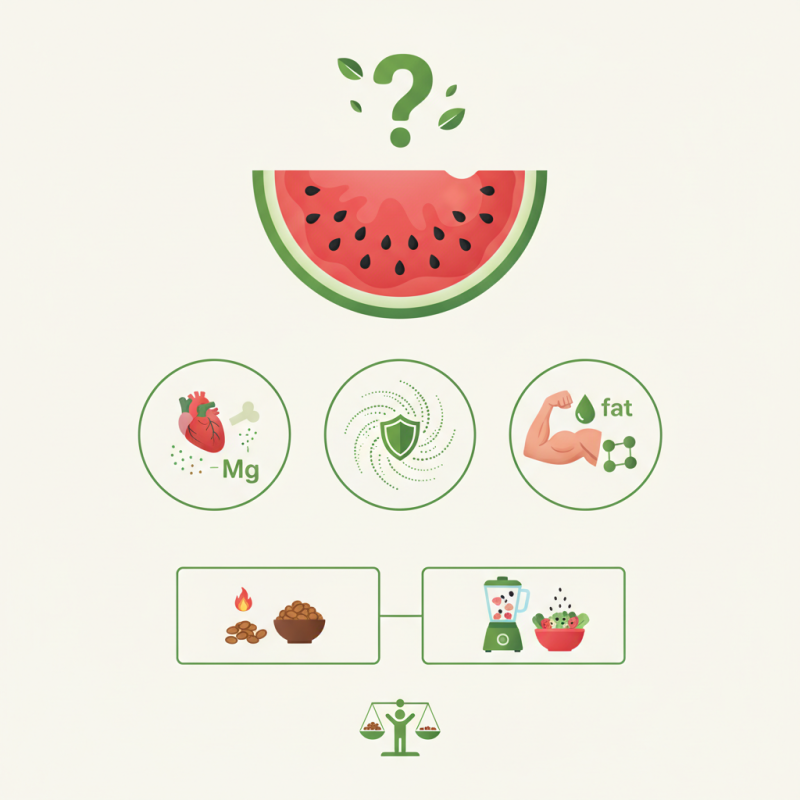
People tend to discard watermelon seeds, unaware of the myriad health benefits they offer. They provide a rich source of magnesium, which supports heart health and bone density. Additionally, watermelon seeds contain antioxidants that combat oxidative stress, promoting overall well-being. However, many still question how to incorporate them into their diets effectively.
It's crucial to rethink these tiny seeds. Simple methods can include roasting them for a tasty snack or adding them into salads and smoothies. Despite their benefits, some individuals may experience gastrointestinal discomfort if consumed in excess. Balance is key. Recognizing watermelon seeds as a nutritional asset can lead to healthier eating habits and enhanced wellness.
Health Benefits of Watermelon Seeds
Watermelon seeds are often overlooked, yet they hold significant health benefits. Packed with protein, these tiny seeds contribute to muscle repair and growth. A quarter cup of seeds provides about 10 grams of protein. They also contain healthy fats, including omega-3 and omega-6 fatty acids, which are essential for heart health. These fats can lower cholesterol levels and improve overall cardiovascular function.
In addition to protein and fats, watermelon seeds are rich in vitamins and minerals. They contain magnesium, zinc, and iron, which support various bodily functions. Magnesium is vital for muscle function and energy production. Zinc promotes a healthy immune system, while iron is crucial for transporting oxygen in the blood. Eating a handful of these seeds can boost your nutritional intake significantly.
However, some may encounter digestive issues with seed consumption. It's important to chew them properly. Roasting the seeds can enhance flavor but may slightly alter their nutritional profile. Experimenting with preparation methods can help you find what works best for your body. Overall, incorporating watermelon seeds into your diet can be a straightforward way to enhance your health.
Why Are Watermelon Seeds Essential for Health and Nutrition? - Health Benefits of Watermelon Seeds
| Nutrient | Amount per 100g | Health Benefits |
| Protein | 28g | Promotes muscle growth and repair. |
| Fat | 50g | Provides energy and aids in nutrient absorption. |
| Carbohydrates | 15g | Source of energy and supports metabolic function. |
| Dietary Fiber | 8g | Aids in digestion and promotes gut health. |
| Magnesium | 325mg | Supports muscle function and energy production. |
| Iron | 9.6mg | Essential for oxygen transport in the body. |
| Zinc | 7.8mg | Boosts immune function and promotes healing. |
Nutritional Composition of Watermelon Seeds
Watermelon seeds are often overlooked, yet they offer a wealth of nutrition. These small seeds are packed with essential fatty acids, proteins, and minerals. A handful of watermelon seeds can provide a significant source of healthy fats, specifically unsaturated fats. This contributes to heart health and overall wellness.
In terms of vitamins and minerals, watermelon seeds are a rich source of magnesium and zinc. Magnesium plays a crucial role in over 300 biochemical reactions in the body. It helps with muscle function and energy production. Zinc, on the other hand, is vital for the immune system. Including watermelon seeds in your diet may support overall health. However, it's important to consume them in moderation. Too many seeds may lead to digestive issues.
Additionally, watermelon seeds contain various antioxidants which help to combat oxidative stress. Antioxidants are essential for maintaining cellular health. While they are beneficial, one should remember that balance is key in any diet. Over-reliance on one food can lead to nutritional imbalances. Experimenting with small servings of watermelon seeds can help you gauge their impact on your health.
Role of Watermelon Seeds in Digestive Health
Watermelon seeds play a vital role in digestive health. These tiny seeds contain essential nutrients that aid in digestion. They are rich in fiber, which helps promote regular bowel movements. Fiber adds bulk to the stool, making it easier to pass. This can reduce constipation and discomfort. Including watermelon seeds in your diet can support a healthy digestive tract.
Moreover, watermelon seeds are a source of healthy fats and proteins. These nutrients are important for maintaining gut health. Healthy fats can help reduce inflammation in the digestive system. Proteins are essential for repairing tissues and maintaining enzymes that aid digestion. Together, they create a balanced environment for gut bacteria.
It's important to remember moderation. Eating too many seeds can lead to digestive discomfort. Some people may have reactions to seeds, even if they are nutritious. Always consider your body's response. Watermelon seeds can be a fantastic addition, but listen to your body’s needs.
Antioxidant Properties of Watermelon Seeds
Watermelon seeds are often overlooked, yet they hold remarkable health benefits. Rich in antioxidants, these seeds can protect the body from oxidative stress. Research indicates that oxidative stress is linked to chronic diseases such as cancer and heart disease. A study published in the Journal of Nutritional Biochemistry found that the antioxidant properties of these seeds can help combat free radicals. This makes watermelon seeds valuable for overall health.
The seeds contain various antioxidants, including flavonoids and phenolic compounds. These compounds have been shown to reduce inflammation, providing additional health advantages. For instance, a report from the International Journal of Food Sciences suggests that dietary antioxidants are effective in lowering the risk of chronic diseases. Consumption of antioxidant-rich foods like watermelon seeds may contribute to longevity and improved well-being.
Despite these benefits, watermelon seeds are often discarded. Many people remain unaware of their health potential. The challenge lies in incorporating these seeds into daily diets creatively. Perhaps, considering a blend into smoothies or salads? Addressing this gap in awareness is essential to maximize the nutritional value these seeds offer.
Antioxidant Properties of Watermelon Seeds
Incorporating Watermelon Seeds into Your Diet
Watermelon seeds are often overlooked, yet they pack a nutritional punch. Incorporating them into your diet can provide numerous health benefits. These tiny seeds are rich in protein, healthy fats, and essential minerals like magnesium and zinc. A study published in the "Journal of Food Science" highlights that watermelon seeds contain about 30% protein. This makes them an excellent plant-based protein source.
You can easily add watermelon seeds to various dishes. Toss them in salads for added crunch. Blend them into smoothies for extra nutrients. Roasted seeds serve as a delicious snack. The seeds can also be ground into a powder and used in baking or sprinkled over yogurt. According to the USDA, a single ounce of watermelon seeds offers about 10 grams of protein and 5 grams of healthy fats.
However, it’s important to consider the balance in your diet. While watermelon seeds can enhance nutrition, moderation is key. Excessive consumption may lead to imbalances, especially if you are consuming other sources of protein and fat. As with any food, integrating watermelon seeds thoughtfully can benefit your overall health.
