10 Essential Tips for Using an ATV Weed Sprayer Effectively

Using an ATV weed sprayer effectively can make a significant difference in maintaining a clean and healthy landscape. These sprayers are designed to tackle stubborn weeds easily. However, many users overlook simple yet essential tips. This can lead to uneven application or wasted materials.

One common mistake is not adjusting the nozzle correctly. Proper adjustments ensure that the spray reaches the targeted area without overshooting. Another issue arises from poor planning of spray routes. Taking time to map out effective paths can save time and prevent unnecessary overlaps. In the pursuit of efficiency, it is easy to rush the process, but this often leads to mistakes.

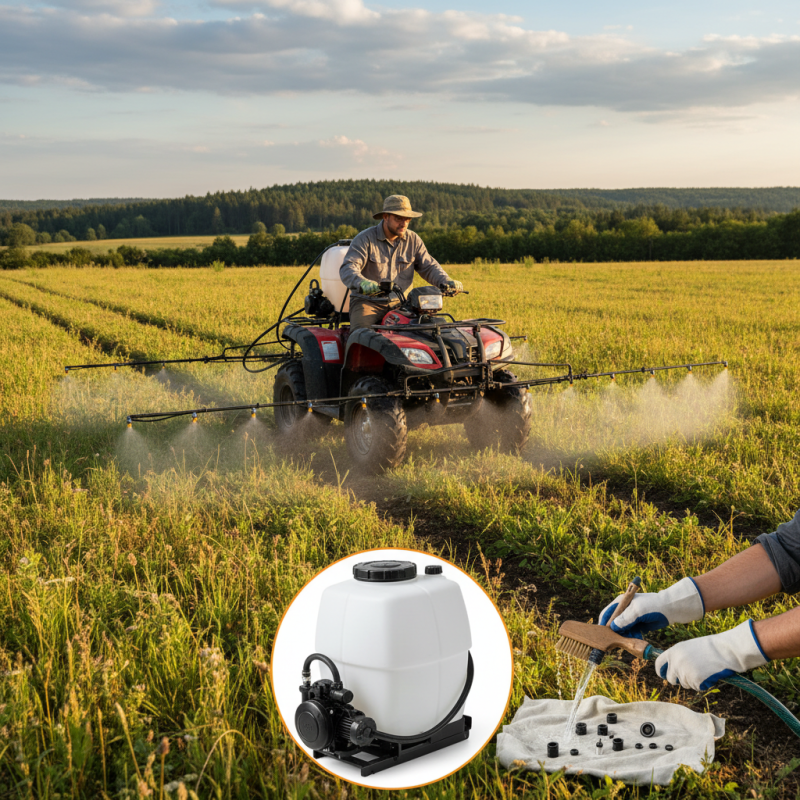
Additionally, keeping the sprayer well-maintained is vital. Clogged filters or nozzles can hinder performance. Regular cleaning can prevent complications and ensure even distribution. While it may seem tedious, these small details significantly enhance the sprayer's effectiveness. A thorough understanding of your ATV weed sprayer will bring better results over time.
10 Essential Tips for Using an ATV Weed Sprayer Effectively

Understanding the Basics of ATV Weed Sprayers
10 Essential Tips for Using an ATV Weed Sprayer Effectively

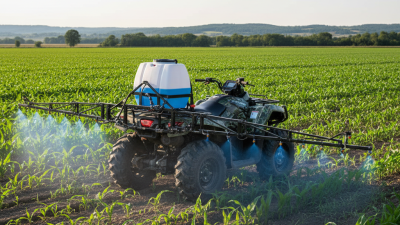
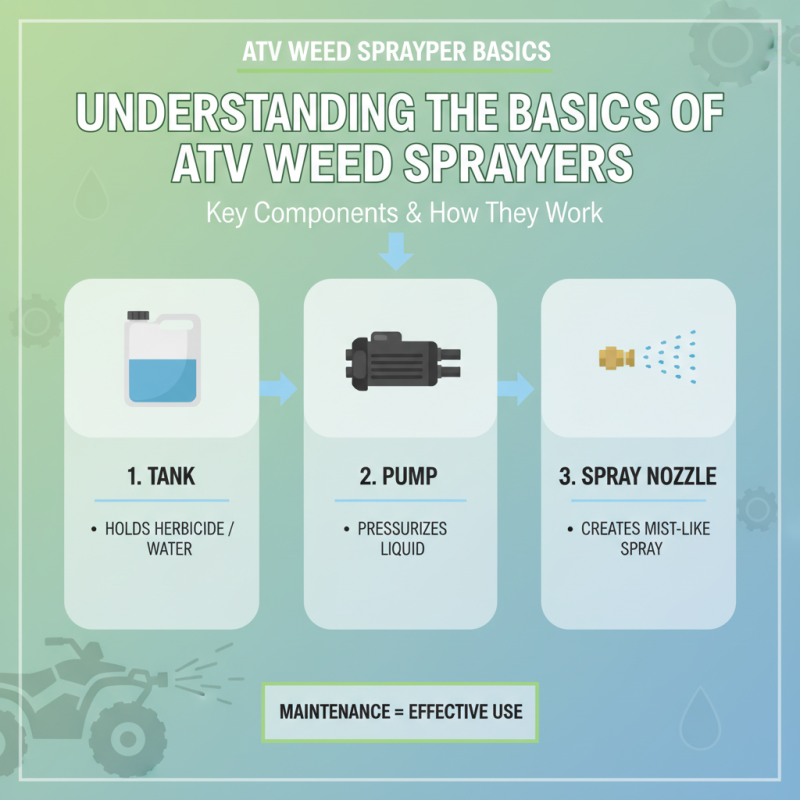
When using an ATV weed sprayer, understanding its basic components is crucial. These sprayers typically consist of a tank, pump, and spray nozzle. The tank holds the herbicide or water, while the pump pressurizes the liquid for a mist-like spray. Knowing how each part functions helps in maintaining and using the sprayer effectively.

To ensure an even application, consider the spray pattern. Adjust the nozzle for a fine mist to cover larger areas without oversaturation. Make sure the nozzle is clean. A clogged nozzle can lead to uneven spraying.

Timing matters as well. Apply weed control solutions during sunny, calm days. This practice helps prevent runoff and ensures the spray adheres to the weeds. Always wear appropriate safety gear. While it can feel cumbersome, it protects you from harmful chemicals. Regularly check your equipment for leaks and wear. Ignoring these details can lead to inefficiency and wasted product.
Choosing the Right Spray Nozzle for Your ATV

When choosing the right spray nozzle for your ATV weed sprayer, consider the types of weeds you are targeting. Different nozzles provide various spray patterns and droplet sizes. A fan spray nozzle delivers a wide coverage, which is good for larger areas. Spot treatment? Switch to a cone nozzle for precision targeting. Always think about your specific needs.

It's crucial to match your nozzle selection with the pressure of your ATV sprayer. High pressure can create a mist that effectively covers large surfaces but may waste product. Low pressure could lead to uneven coverage. Test different settings. Adjust until you find the perfect balance. Keep an eye on the weather conditions, too. Wind can affect your spray drift and efficiency.

Remember, no two jobs are alike. You may encounter challenges that require you to adapt your nozzle choice. Maybe you’ll need to switch during a task. That’s okay. Reflection is key. Assess the outcomes after spraying. Did the nozzle choice work as planned? If not, take notes for next time. This trial-and-error approach will enhance your skills in no time.

Preparing Your ATV and Sprayer for Optimal Performance

Preparing your ATV and sprayer is crucial for effective weed control. Clean your ATV thoroughly. Remove dirt and debris from the engine. This ensures maximum performance on the field. Check the sprayer before each use. Look for signs of wear or damage. A small leak can cause costly mistakes.

Fill the sprayer with the right mixture. Follow guidelines for the chemicals you use. Too much can harm the plants, while too little can be ineffective. Adjust the spray nozzle to the desired width. Over-spraying can lead to unintentional damage to surrounding areas. Test the sprayer’s pressure beforehand. Low pressure can lead to uneven coverage.

While preparing, be mindful of your surroundings. Ensure that you’re not spraying near water sources. This is often overlooked. Regularly inspect the sprayer while in use. Tangles and clogs can occur. Address them promptly to avoid interruptions. Learning from mistakes is part of the process. Each ride can teach you something new about efficient weed spraying.

10 Essential Tips for Using an ATV Weed Sprayer Effectively

Tip Number Tip Description Benefits
1 Check Equipment Inspect the ATV and sprayer for any damage before use. Ensures safety and prevents malfunction.
2 Clean the Sprayer Clean the tank, hoses, and nozzles to avoid contamination. Enhances effectiveness of chemicals used.
3 Choose the Right Time Apply weed spray during calm weather, ideally early morning or late evening. Reduces drift and ensures better absorption.
4 Adjust Nozzle Settings Set the nozzle to the appropriate spray pattern and pressure. Increases coverage and efficiency of application.
5 Wear Protective Gear Always wear gloves, masks, and goggles while spraying. Protects you from chemical exposure.
6 Practice Safe Driving Drive slowly and remain aware of surroundings while spraying. Minimizes risks of accidents.
7 Use Quality Herbicides Select effective herbicides that suit your specific weeds. Maximizes weed control.
8 Calibrate Sprayer Ensure the sprayer is calibrated for correct application rates. Prevents over- or under-application of chemicals.
9 Maintain a Steady Speed Keep a consistent speed while spraying to ensure even coverage. Improves application uniformity.
10 Regular Maintenance Conduct regular maintenance on your sprayer and ATV. Extends the life of equipment and prevents issues.

Best Practices for Mixing Herbicides and Water

Mixing herbicides and water correctly is crucial for effective weed control. Start by carefully reading the instructions on the herbicide label. This ensures you understand the proper ratios. Measure the water and herbicide accurately. It's easy to pour too much of one or the other, which can lead to poor results.

Remember to use clean water. Contaminated water can affect the effectiveness of your herbicide. Consider using a separate container for mixing the solution. This minimizes the chance of leftover chemicals. Also, stir the mixture well before filling your sprayer. A good mix is key.

Over time, you may encounter issues with clumping or separation in your mixture. If this happens, reflect on your mixing technique. Perhaps adjust your stirring method or check the water source. Keeping a clear record of your ratios can help identify problems later on. Don’t hesitate to tweak your approach based on your observations.

ATV Weed Sprayer Effectiveness: Tips and Best Practices

Tips for Safe and Effective Application Techniques

10 Essential Tips for Using an ATV Weed Sprayer Effectively

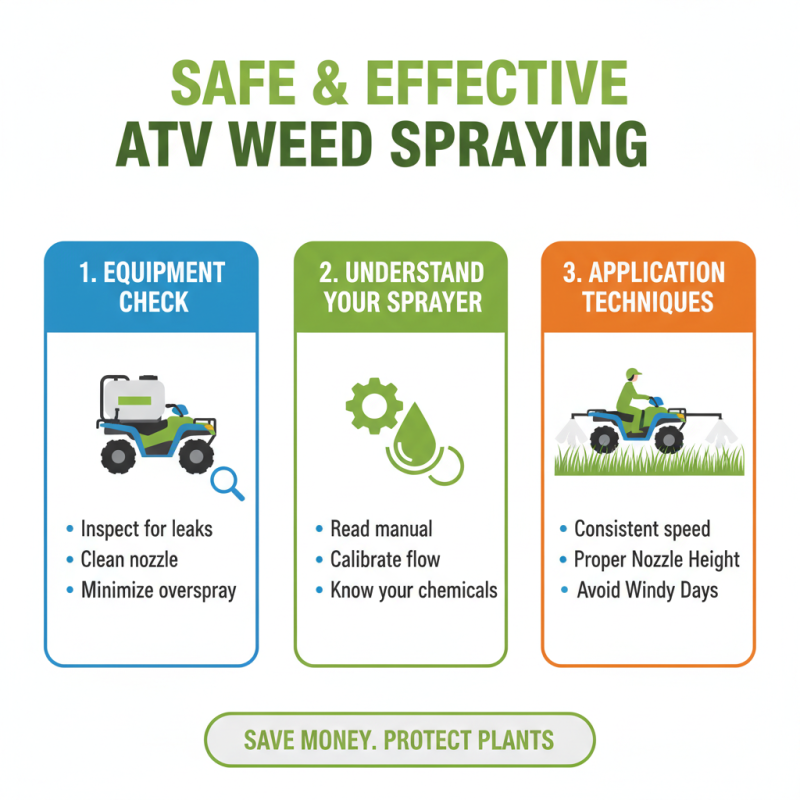
Using an ATV weed sprayer can be an effective way to maintain gardens and fields. However, safety and efficiency are key. According to industry reports, improper application can lead to chemical waste. Thus, understanding your sprayer is critical. Always inspect the equipment before use. Check for leaks and ensure the nozzle is clean. This minimizes overspray, which can damage non-target plants.

When applying substances, choose the right weather conditions. Wind can drift sprays away, causing unintended exposure. The best days are calm and mild. Additionally, keep a safe distance from edible plants. Reports indicate that even small amounts can contaminate them. Wear protective gear to shield yourself from chemicals. This includes gloves and masks. It may feel uncomfortable, but safety is non-negotiable.

Adjusting your ATV speed is essential for effective spraying. A slow, steady pace improves coverage and allows for better absorption of the chemicals. Spraying too quickly could lead to streaks or missed spots. Remember to calibrate the sprayer regularly. Many users overlook this step, resulting in inconsistent application. Take time to reflect on your approach for better results in the long run.