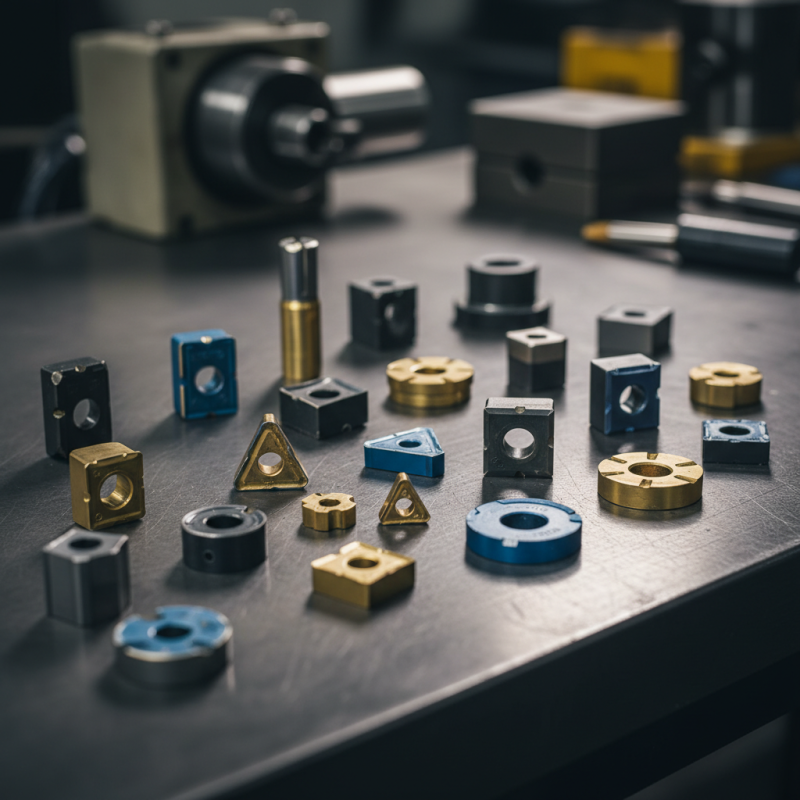
What is Cnc Tool Insert and How to Choose the Best?
Cnc Tool Insert is a vital component in precision machining. Its selection can greatly impact manufacturing efficiency and product quality. Understanding the characteristics of various inserts is essential for achieving optimal results.
Choosing the right Cnc Tool Insert involves considering factors like material, geometry, and coating. Each type of insert serves different applications and materials. Some might enhance durability, while others improve chip control. This diversity allows manufacturers to tailor solutions for specific tasks.
However, many users face challenges when selecting inserts. Misunderstanding the specifications can lead to suboptimal choices. Therefore, it’s crucial to evaluate production needs carefully. Emphasizing the right insert can lead to significant cost savings and improved output. Investing time in learning about Cnc Tool Inserts can yield substantial long-term benefits.
What is a CNC Tool Insert?
CNC tool inserts are cutting tools used in CNC machines for precise machining operations. They come in various shapes and sizes. The inserts are typically made from hard materials like carbide or high-speed steel. This hardness allows them to maintain sharp edges for longer periods. They are crucial in achieving desired surface finishes and tolerances.
Choosing the right CNC tool insert can be challenging. Factors include material type, geometry, and coating. Material compatibility with the workpiece affects performance. The shape of the insert influences cutting efficiency. Coatings can enhance durability and heat resistance. A careful evaluation of these aspects is essential.
Often, machinists experiment with different inserts to find the best fit for their specific applications. Mistakes are part of the learning process. Not every insert works perfectly in every situation. Continuous reflection on tool performance helps improve future selections. The right insert can make a significant difference in productivity and cost-effectiveness.
Types of CNC Tool Inserts and Their Functions
CNC tool inserts are vital for precision machining. They come in various types, each designed for specific functions. Common types include indexable inserts, which enhance tool life and reduce costs, and solid carbide inserts, known for their durability and performance.
Indexable inserts allow for easy replacement. They can be rotated multiple times before needing replacement, making them cost-effective. Research shows that using indexable inserts can increase productivity by up to 20%. However, choosing the right insert depends on your material and application needs.
Solid carbide inserts, on the other hand, excel in high-speed machining and harder materials. Their rigidity gives superior accuracy.
Tips for selection: Consider the material type. Soft materials require different inserts compared to harder materials. Pay attention to insert coating, as this affects wear resistance. Additionally, check the geometry of the insert; it influences the cutting action and surface finish. Asking an expert can save time and money. Always evaluate the tooling needs before making a decision. Keep in mind that the right insert can significantly impact your production efficiency and costs.
Factors to Consider When Choosing a CNC Tool Insert
Choosing the right CNC tool insert is crucial for effective machining. Several factors come into play when making this decision. Material type is a primary consideration. Different materials require specific inserts. For instance, steel, aluminum, and titanium all behave differently under cutting conditions. Understanding these differences can guide your selection.
The geometry of the CNC tool insert is another important factor. Inserts with different shapes and designs can affect cutting efficiency. For example, a sharp edge might work better for soft materials but struggle with harder ones. Furthermore, consider the coating of the insert. Coatings can enhance durability and performance. However, they come with a cost. It’s essential to weigh the benefits against your budget.
Lastly, don’t overlook the machine's capabilities. Each CNC machine has limits. Operating beyond these can lead to poor results. Reflect on your machining needs. Are you prioritizing speed, accuracy, or longevity? Each choice impacts performance. Finding the right balance can take time and experimentation.
Benefits of Using the Right CNC Tool Insert
Choosing the right CNC tool insert is crucial for enhancing machining efficiency. The right insert can improve tool life, reduce cycle time, and enhance surface finish. According to a 2022 report from the International Tooling Association, inappropriate tool selection can lead to a productivity loss of more than 20%. This highlights the importance of selecting the correct insert.
A well-chosen CNC tool insert contributes to better chip removal and reduces wear. For instance, inserts designed with specific coatings can withstand higher temperatures and abrasion. These aspects can significantly impact machining costs and machine downtime. In a survey conducted by Machining World in 2023, 65% of manufacturers reported that incorrect inserts resulted in frequent tool failures, costing them valuable time and resources.
It's important to note that not every insert works for every application. Each material type and machining condition demands specific characteristics. Factors like feed rates and cutting speeds cannot be overlooked. Tools must be selected based on the distinct demands of the job at hand. Understanding these intricate details can prevent costly mistakes. A well-rounded approach to insert selection can pave the way for superior machining outcomes.
Benefits of Using the Right CNC Tool Insert
Maintenance Tips for CNC Tool Inserts
CNC tool inserts require regular maintenance to ensure optimal performance. Effective maintenance can improve tool life and reduce costs. According to a recent industry report, proper care can extend insert lifespan by up to 30%. This highlights the importance of regular checks and maintenance routines.
One crucial tip is to keep inserts clean. Accumulated debris can lead to overheating and premature wear. Apply a cleaning solution suitable for the material cut. Additionally, inspect inserts frequently for signs of wear or damage. Replace any that show chipping, cracking, or dullness.
Lubrication is another critical aspect of maintenance. Adequate lubrication reduces friction and enhances cutting efficiency. Use the right lubricant for the specific application. Over-lubricating can lead to buildup, impacting performance negatively. Regular checks help maintain the right balance.
What is Cnc Tool Insert and How to Choose the Best? - Maintenance Tips for CNC Tool Inserts
| Insert Type | Material | Application | Cutting Speed (m/min) | Recommended Coolant |
| Carbide Insert | Carbide | Hard Metals | 150-250 | Oil-based Coolant |
| Cermet Insert | Ceramic + Metal | Fine Finishing | 100-200 | Water-based Coolant |
| High-speed Steel Insert | HSS | General Purpose | 80-120 | Minimal Coolant |
| Diamond Insert | Synthetic Diamond | Non-ferrous Metals | 200-300 | Air Cooling |
| Ceramic Insert | Alumina | High-speed Cutting | 150-400 | Dry Cutting |